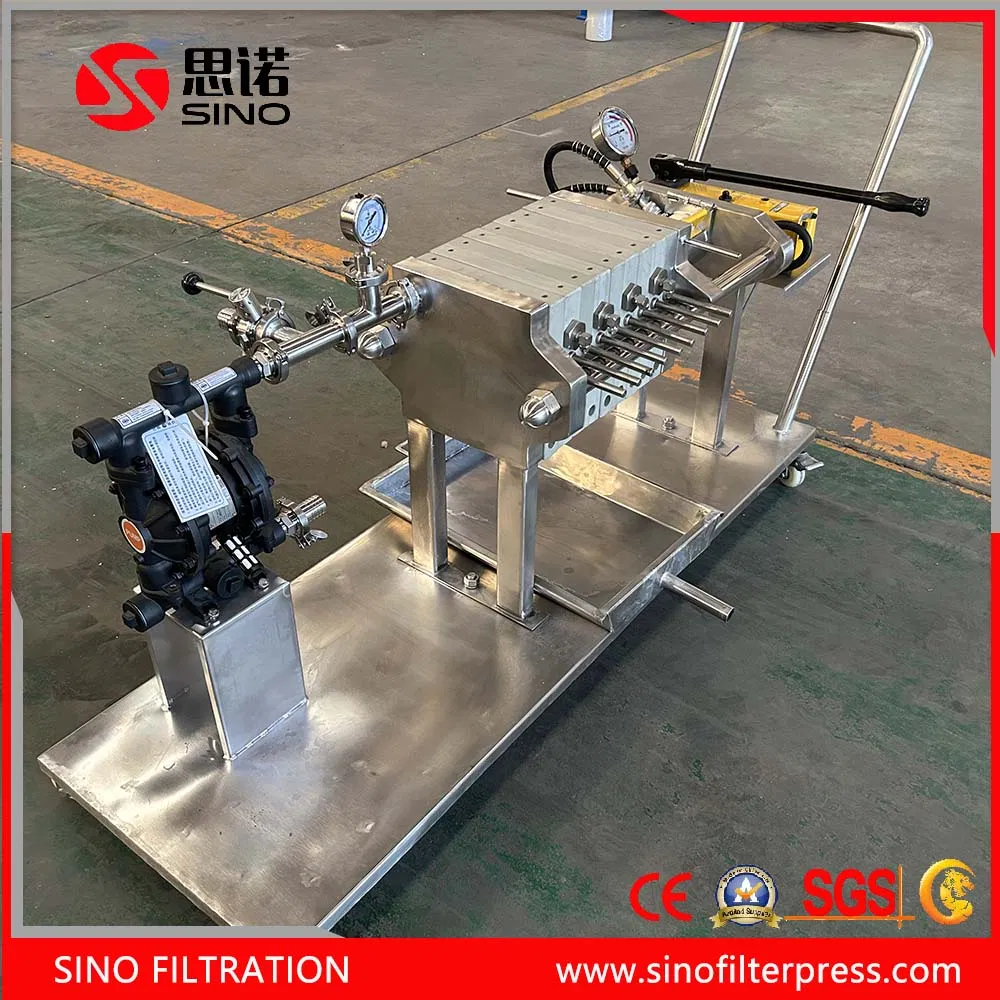
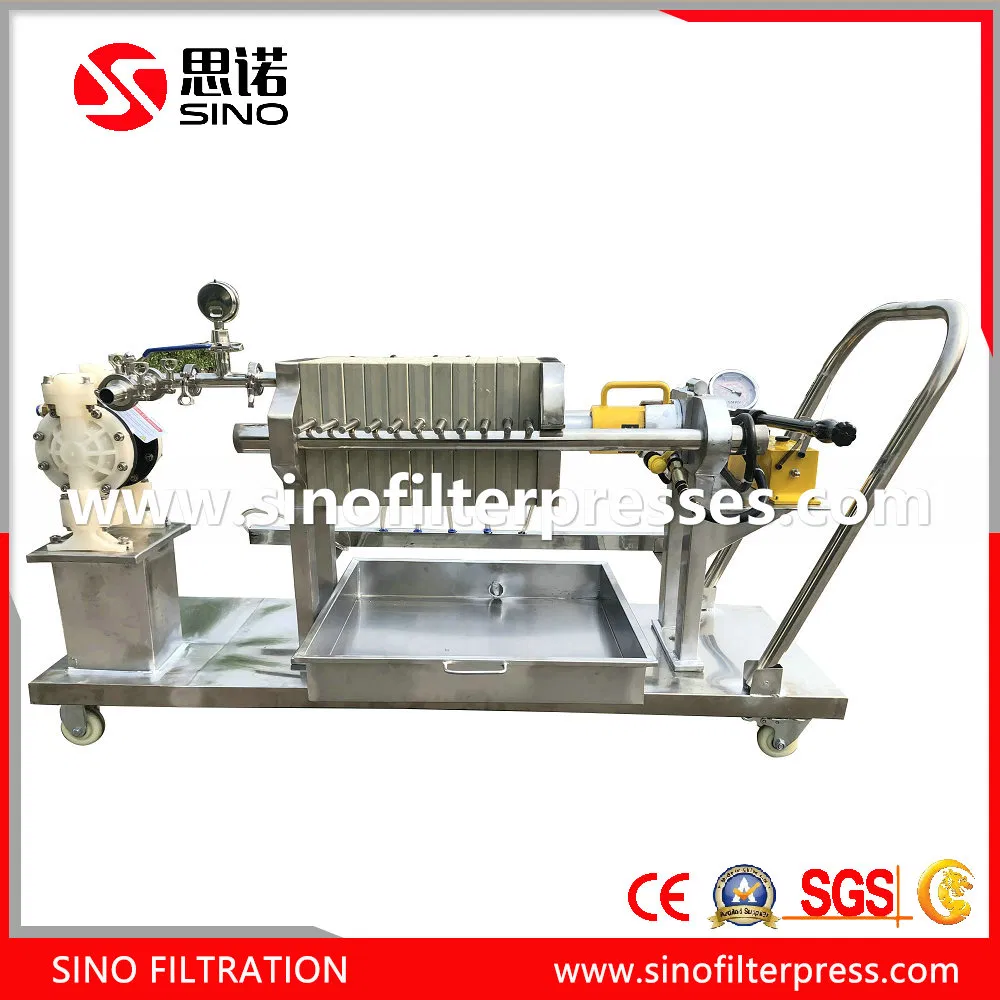
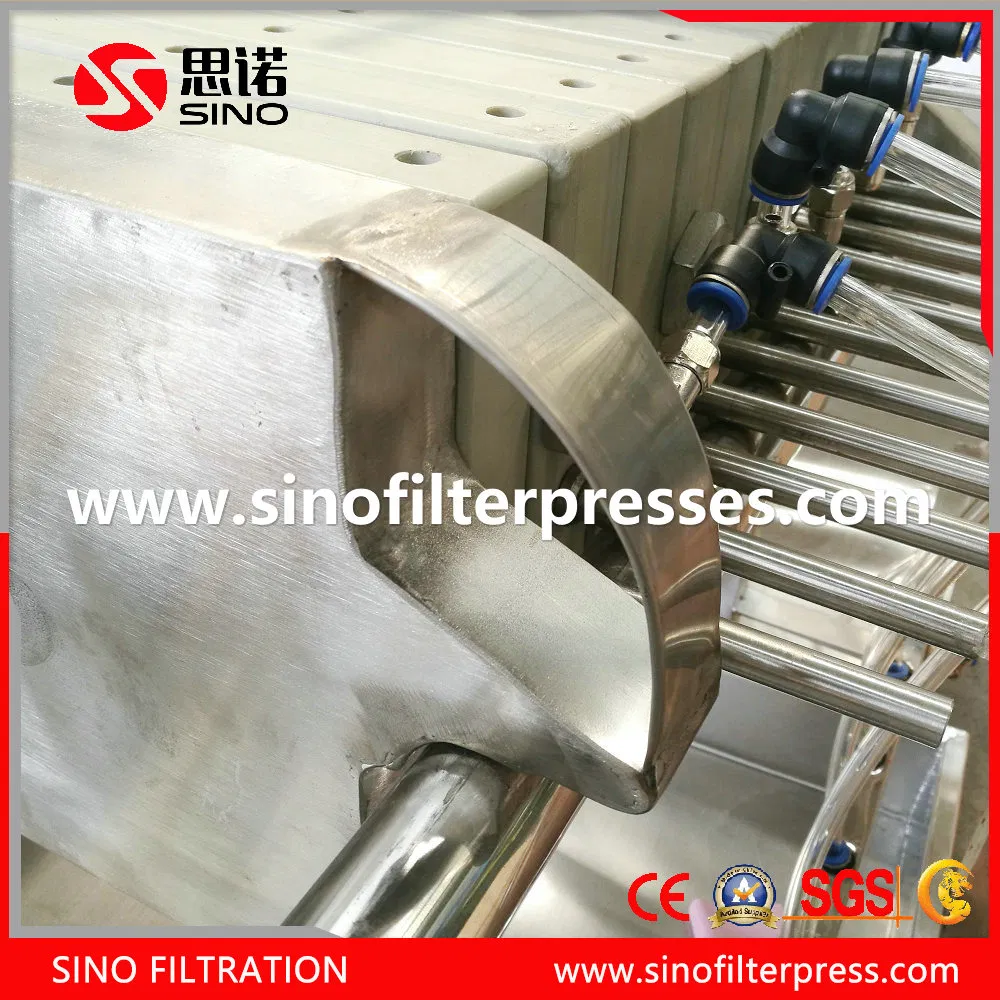
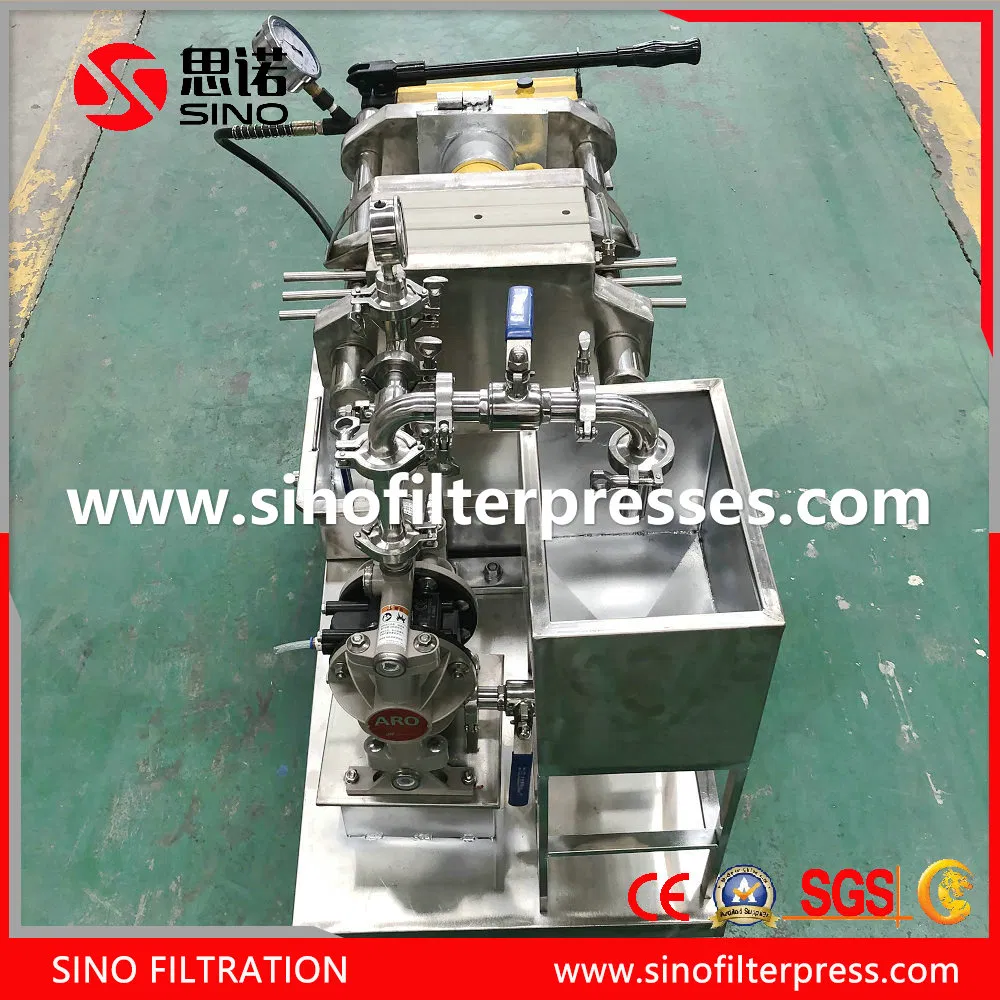
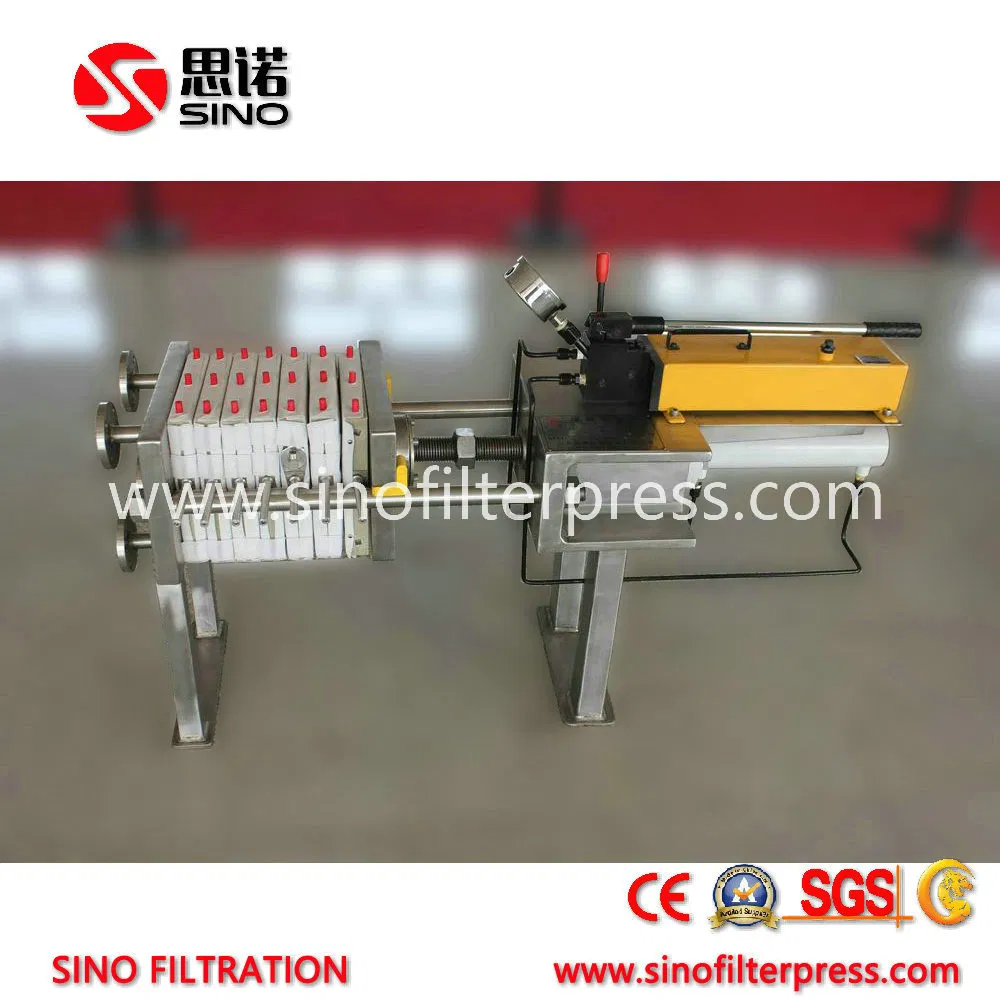
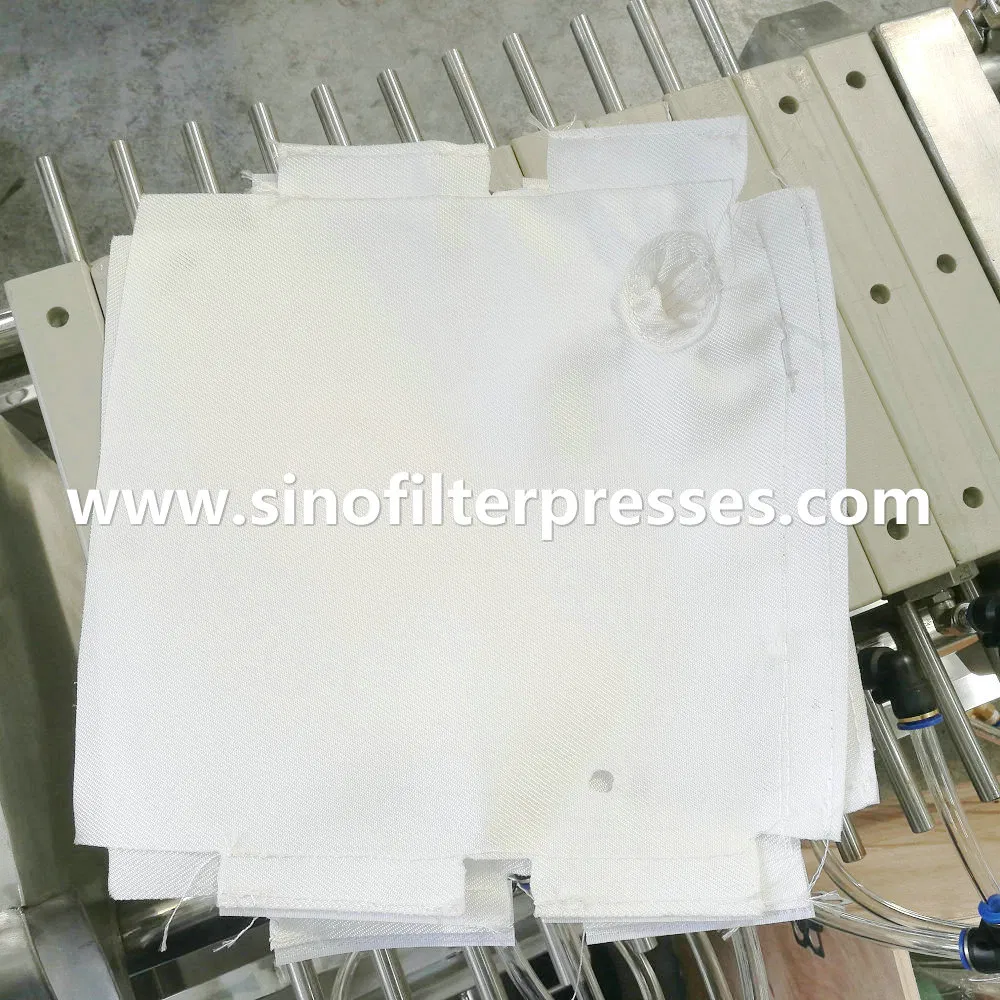
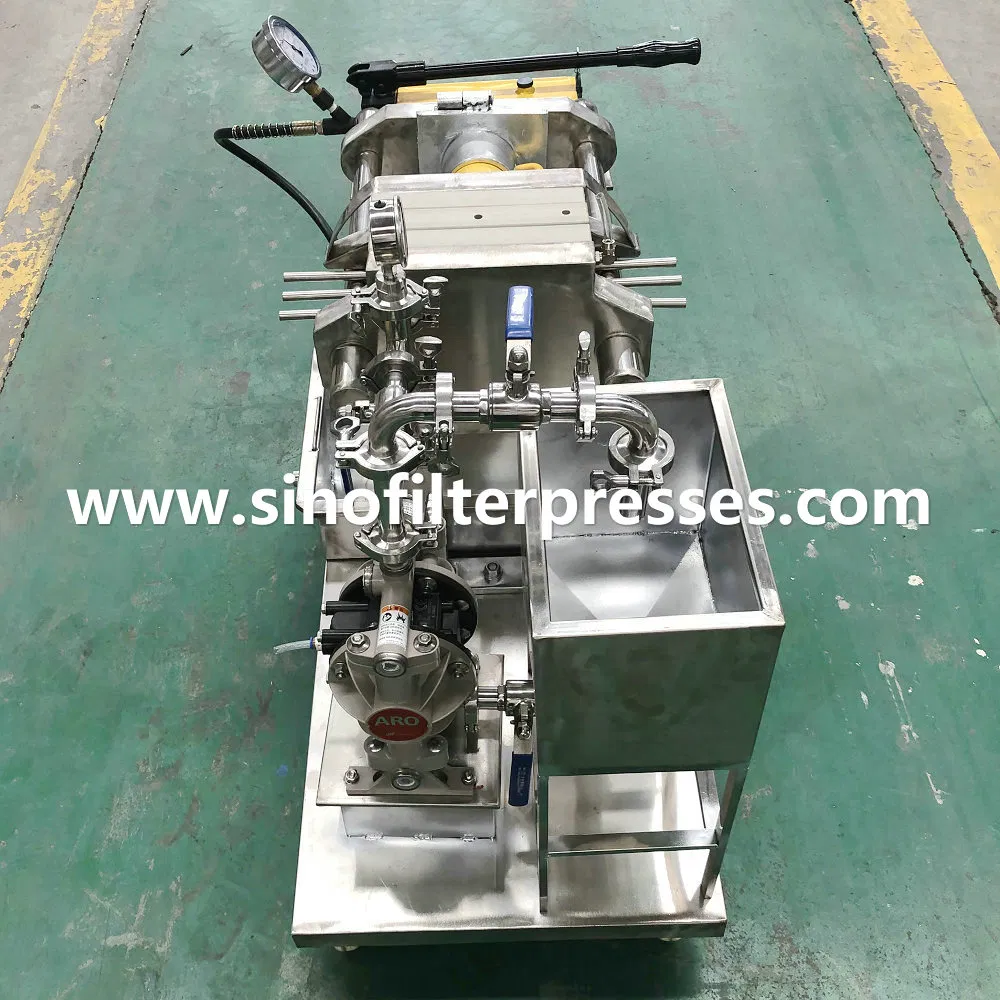
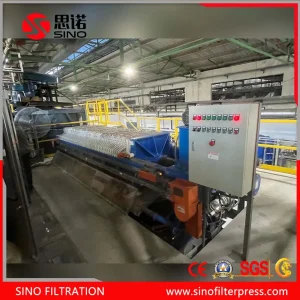
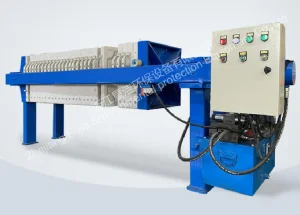
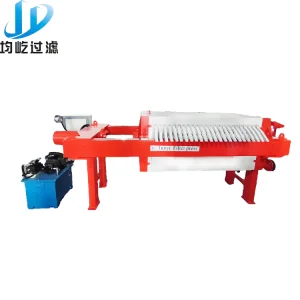
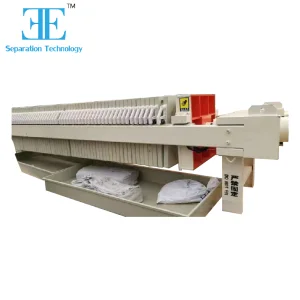
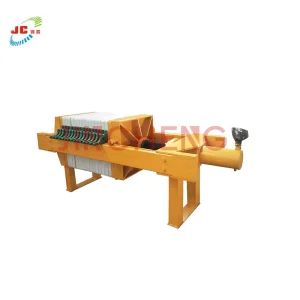
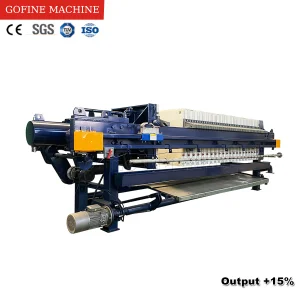
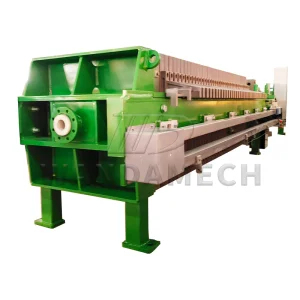
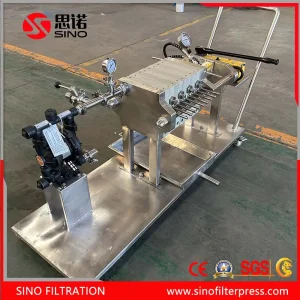
The hydraulic pressing mechanism consists of a hydraulic pump and a piston. Installing the filter plate and filter cloth in sequence, turn the one-way valve clockwise, press the handle up and down, and the piston rod presses the filter plate until the pointer of the pressure gauge reaches the maximum. The material enters the filter plate, the one-way valve is turned counterclockwise, the pressure becomes smaller, the piston rod returns, and the filter plate is pulled to discharge the cake.
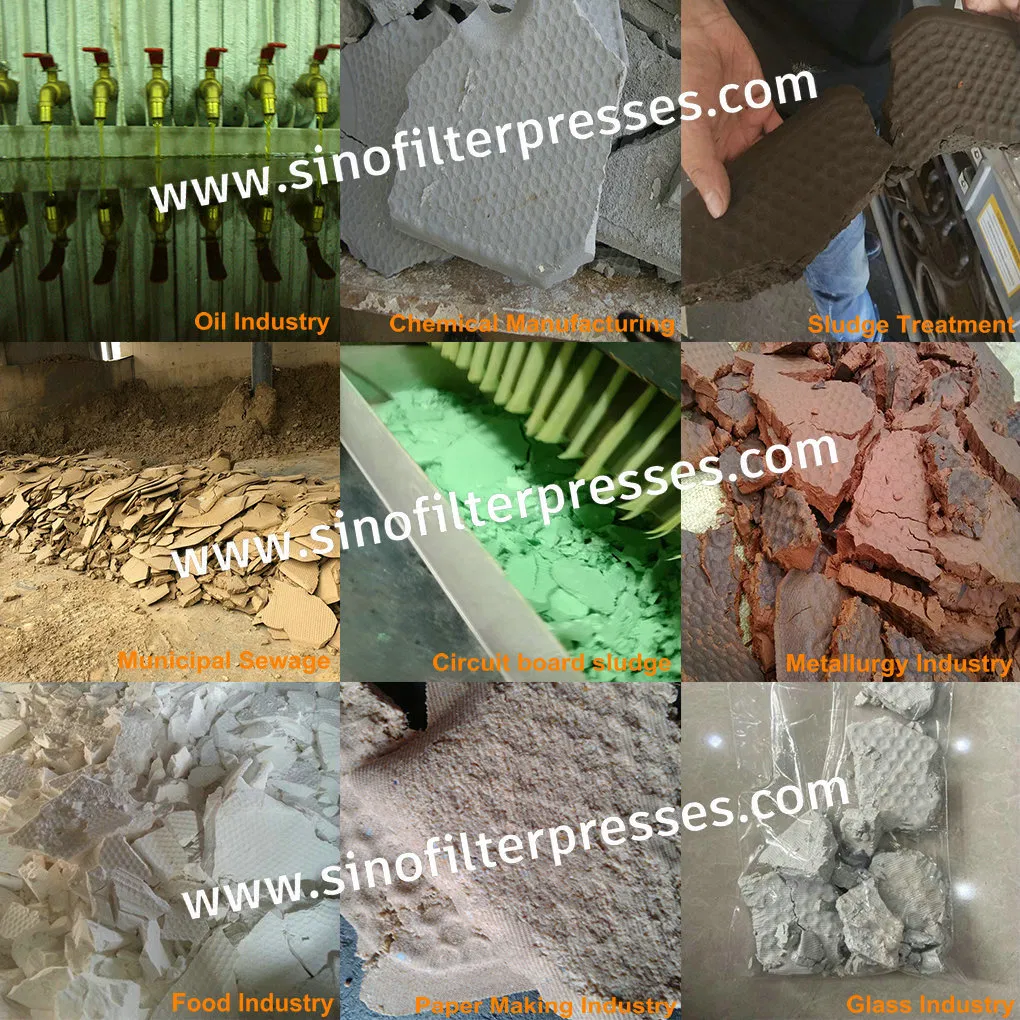
This equipment is suitable for metallurgy, coal gas, paper making, coking, pharmaceutical, food, brewing, fine chemical, and other industries, especially for materials with high viscosity.
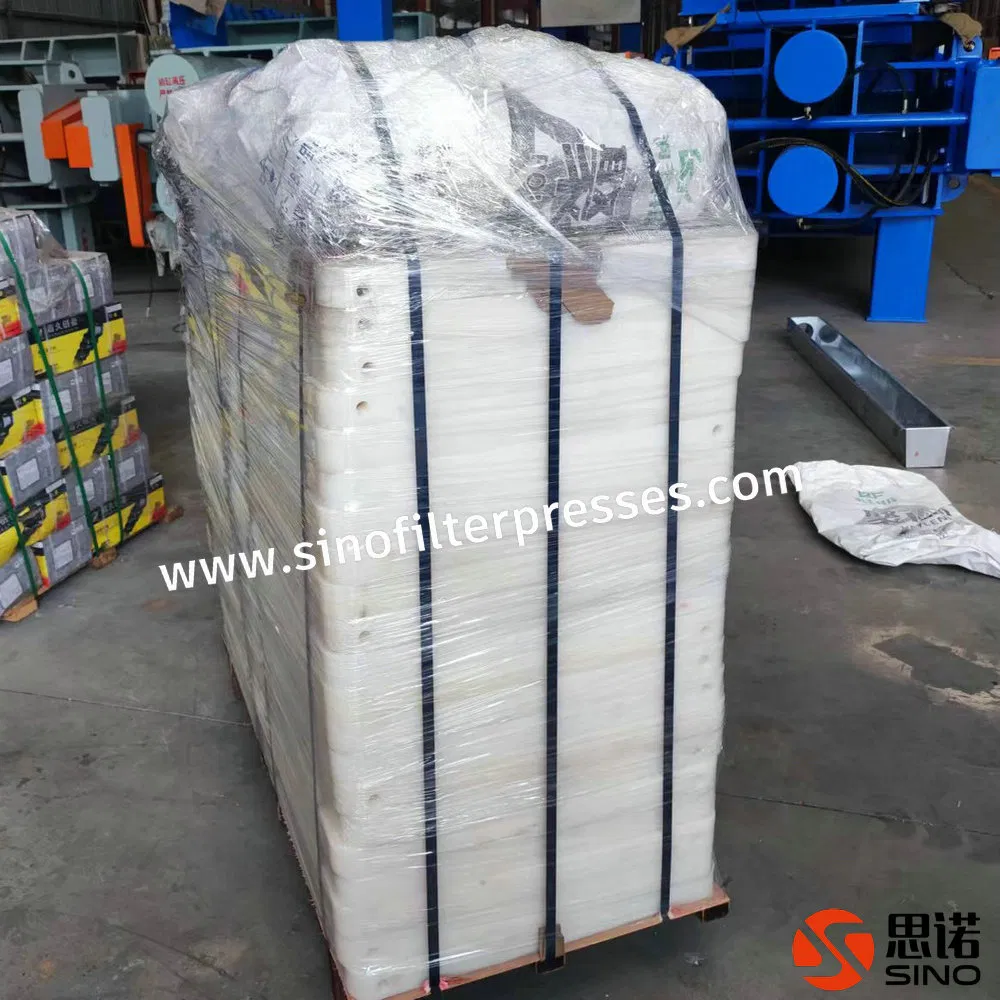
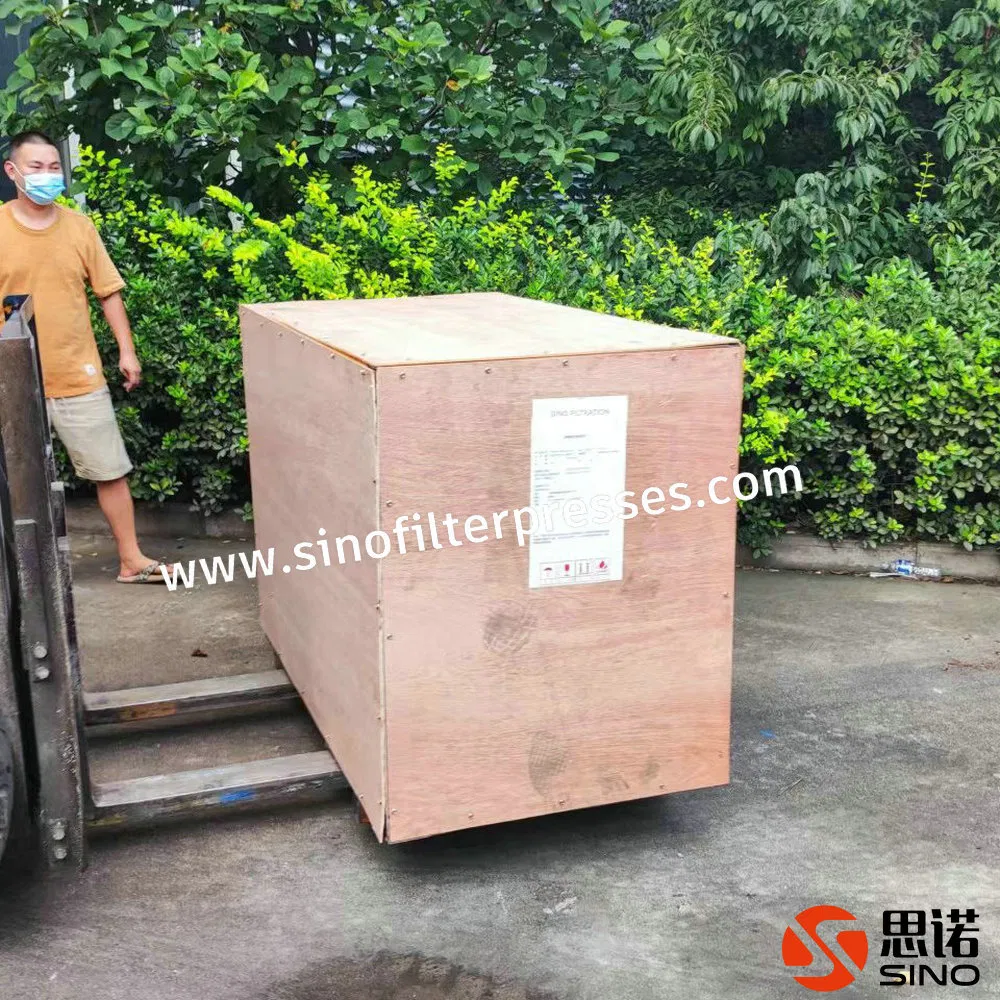
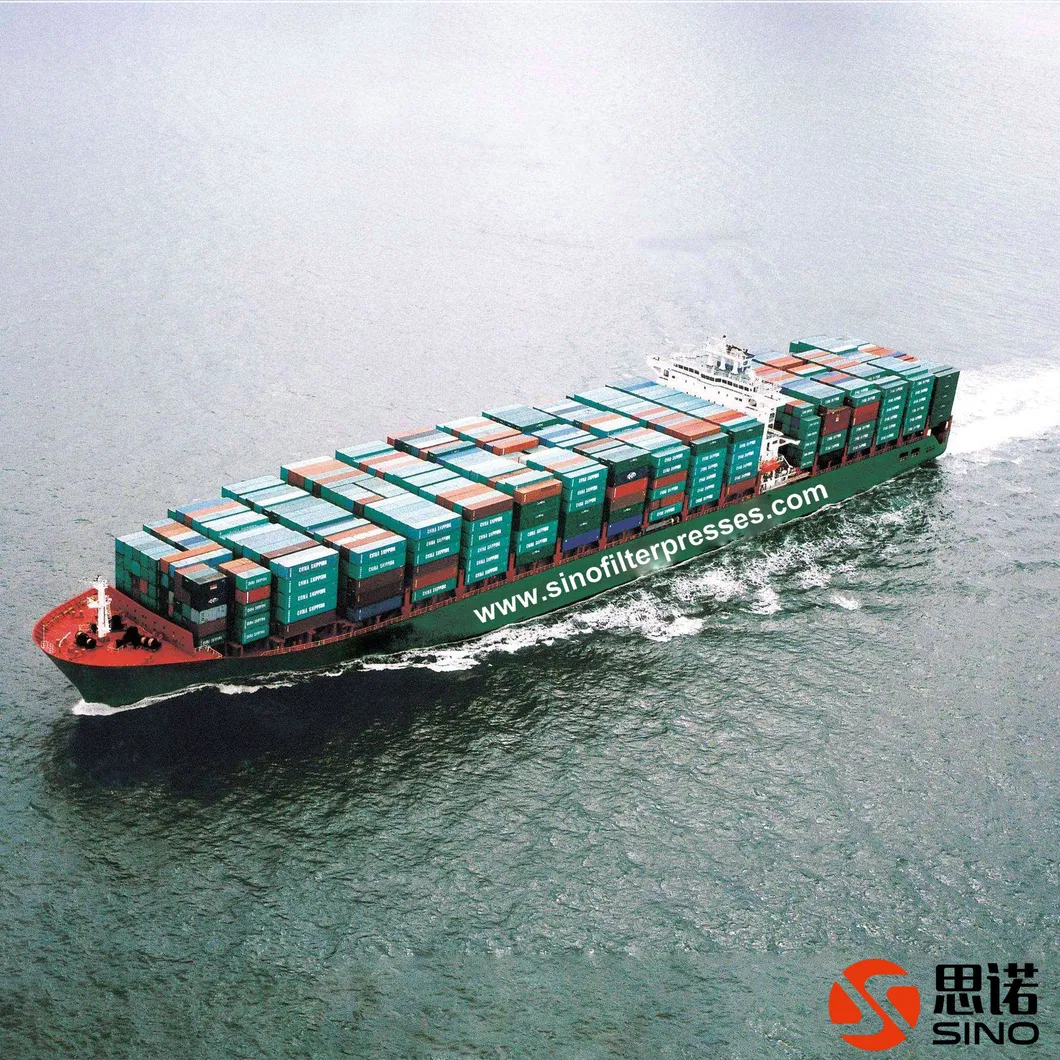
For small filter presses delivered via LCL, we utilize robust wooden cases. For larger models, electrical components are secured in wooden cases, while other parts are protected with seaworthy packing.
Frequently Asked Questions
Q1: What is a Manual Hydraulic Filter Press?
The manual hydraulic filter press utilizes a manual hydraulic pump for pressing. It is widely applied in industries with small output requirements and for laboratory filtration tests.
Q2: What are the main applications for this equipment?
It is suitable for metallurgy, coal gas, paper making, coking, pharmaceutical, food, brewing, and fine chemical industries, especially effective for materials with high viscosity.
Q3: How do I handle payment for the order?
L/C or T/T are both acceptable. Standard terms are usually 30% payment in advance and the remaining 70% before delivery.
Q4: What is the typical delivery time?
The delivery time depends on the specific order quantity, but generally, it is completed within one month.
Q5: How is the equipment installed upon arrival?
We provide detailed illustrations and can facilitate video chats for guidance. If necessary and feasible, technical assistance can be arranged.
Q6: What is the warranty period?
The equipment comes with a 12-month validity warranty starting after the installation is completed.
 Jovios Equipment