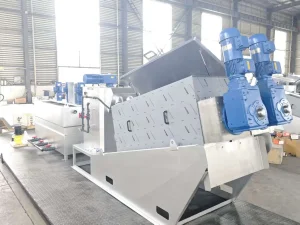
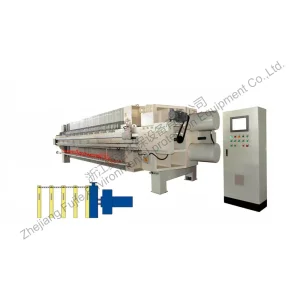
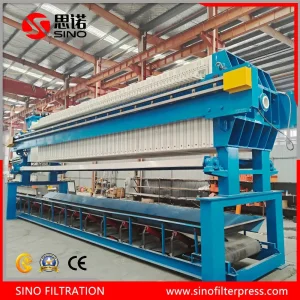
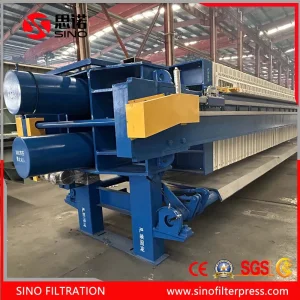
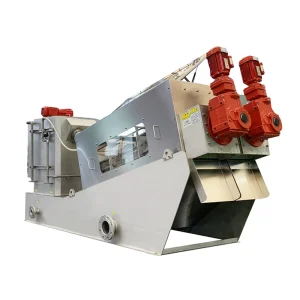
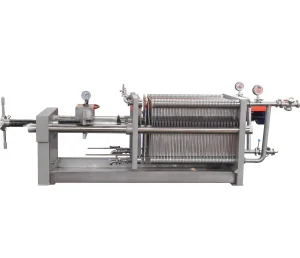
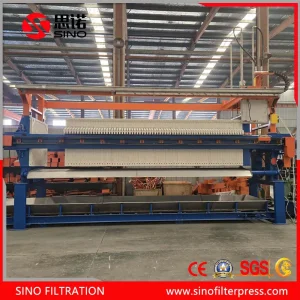
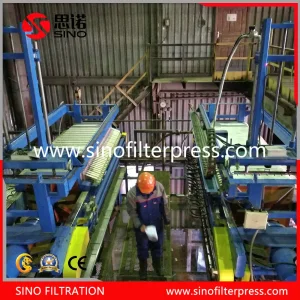
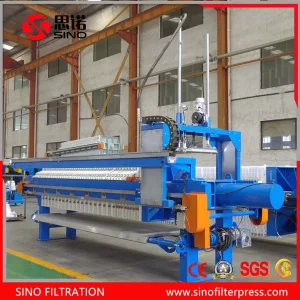
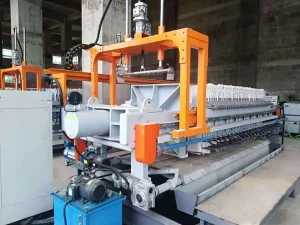
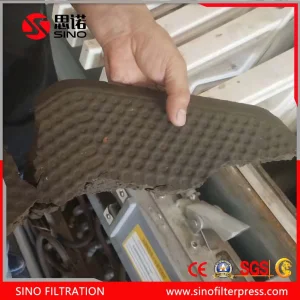
High-throughput filtration equipment designed to optimize cake dryness and minimize operating costs in Brisbane municipal and industrial applications.
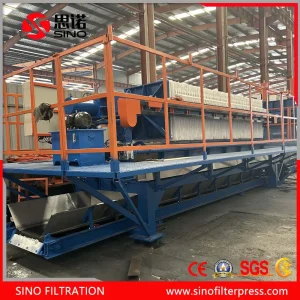
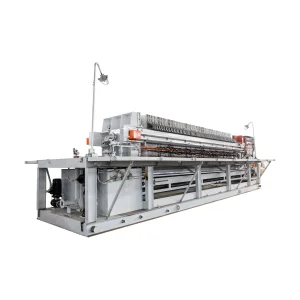
Meeting strict environmental compliance mandates and optimizing water recycling in South East Queensland.
Brisbane, as the main economic engine of Queensland, is undergoing rapid industrial expansion alongside unprecedented environmental scrutiny. With strict guidelines set by the Queensland Department of Environment and Science (DES) and national EPA standards, municipal wastewater facilities, concrete batching plants, aggregate processors, and metal refineries must implement advanced solid-liquid separation to comply with environmental protection regulations. Clean water recovery and minimal waste transport costs are now critical metrics for business sustainability.
In regions like the Port of Brisbane, local chemical manufacturers and bulk logistics hubs generate complex industrial waste streams. Similarly, sand and gravel quarries operating around the Brisbane River Basin require reliable closed-loop wash water recycling. Automatic filter presses have emerged as the industry gold standard in these scenarios, replacing traditional sand filters and outdated belt presses. By producing exceptionally dry filter cakes, these systems dramatically reduce truck transport volume, lower disposal fees, and recover clear water that can be directly routed back into operations.
Meets Queensland's strict runoff and environmental containment laws, preventing toxic discharge and ensuring safe containment of dry solids.
Recovers up to 95% of process water for closed-loop industrial systems, minimizing reliance on municipal mains water in Brisbane.
Eliminates wet tailings dams, minimizing risk profiles, and facilitating immediate environmental restoration of mining sites.
Understanding global procurement patterns and technological shifts toward zero liquid discharge.
Across the globe, resource recovery and mineral mining are experiencing a structural shift toward Dry Tailings Stacking (DTS). Disastrous tailings dam failures historically highlighted the safety vulnerabilities of slurry storage. Modern mining companies, engineering procurement consultancies (EPCMs), and plant operators in regions like the Surat and Bowen basins now prioritize membrane and automatic chamber filter presses to squeeze out water from tailing slurries at extreme pressures.
Globally, procurement managers look for filter presses that feature PLC control, automatic plate pulling systems, and high-performance diaphragm squeezing. The goal is to obtain equipment that operates continuously with minimal human intervention, offering long service lives under harsh chemical exposure. Our machinery matches this standard by integrating robust structural frames, precise hydraulic control systems, and automated cloth washing cycles, reducing overall maintenance overhead and maximizing runtime.
Engineered for maximum solids capture, rapid cycles, and continuous operation in demanding environments.
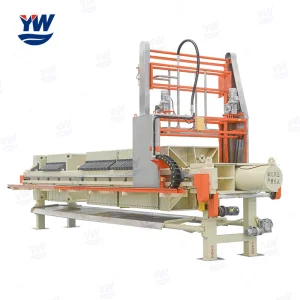
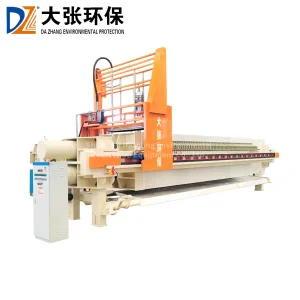
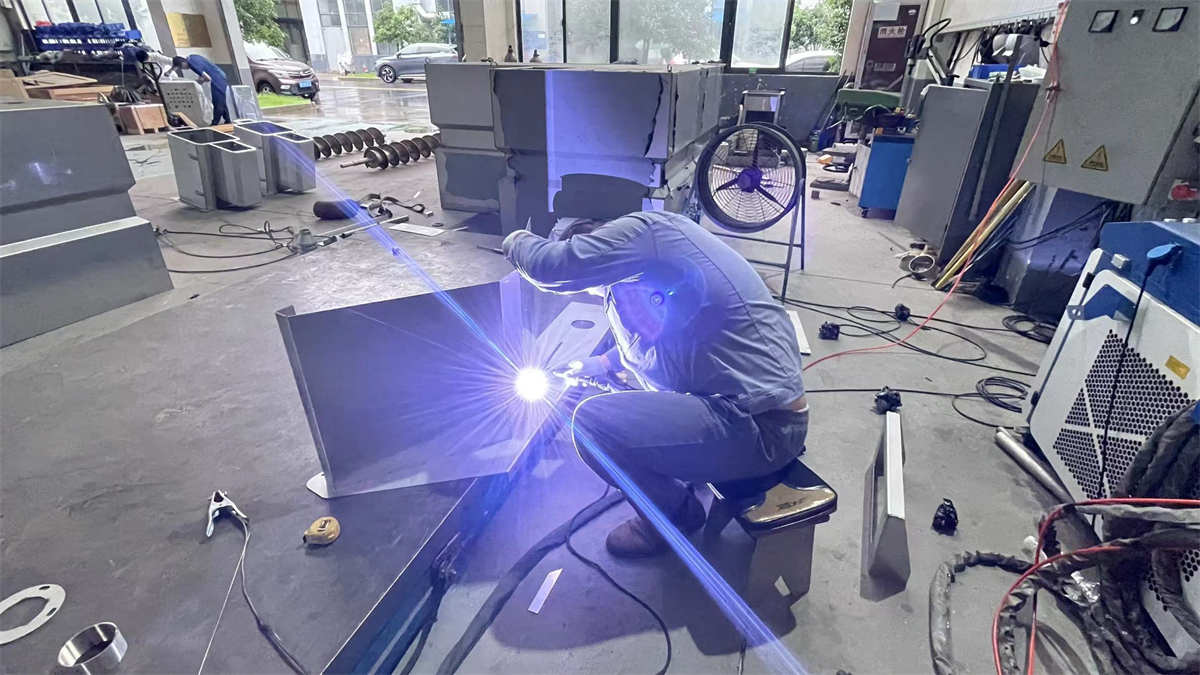
Leveraging state-of-the-art production lines to deliver robust filtration systems to Brisbane on schedule and on budget.
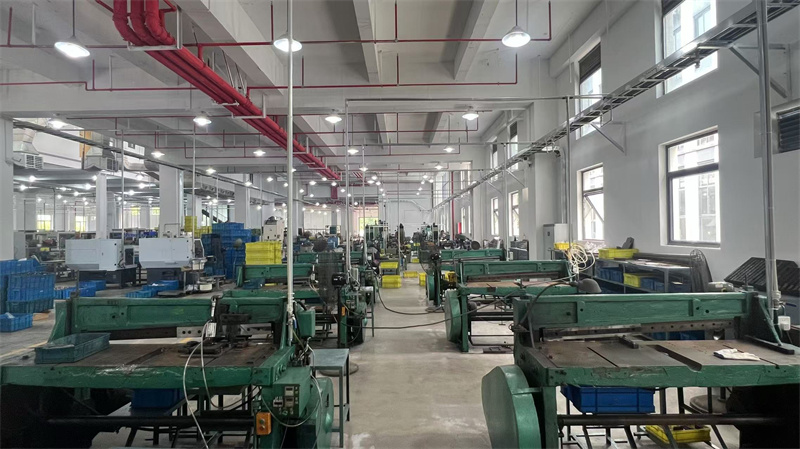
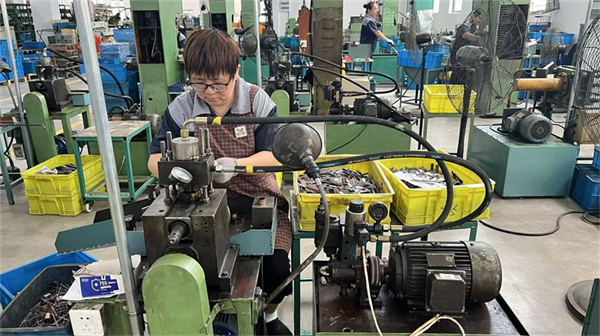
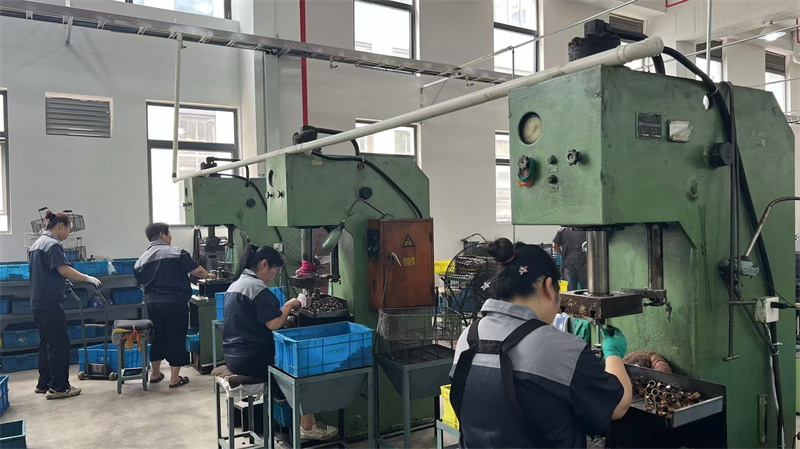
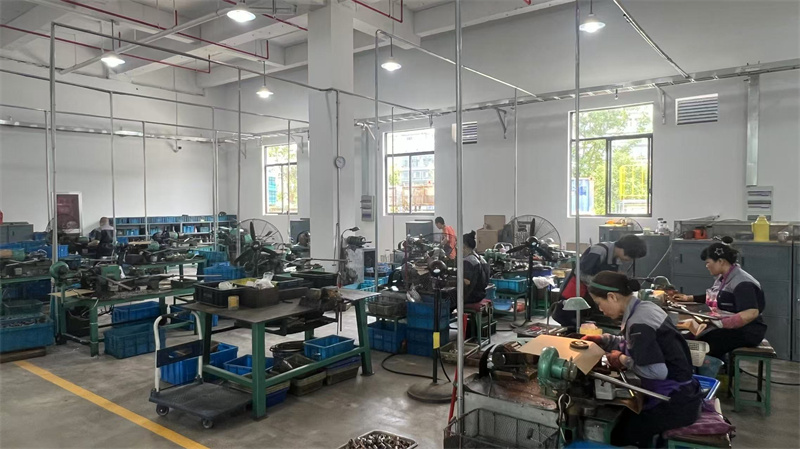
Changzhou Jovios Equipment Co., Ltd. is a professional manufacturer and solution provider specializing in solid-liquid separation and environmental protection equipment. Located in Changzhou National High-tech Industrial Development Zone, Jiangsu Province, China, our company operates a modern manufacturing base covering more than 50,000 square meters, equipped with advanced production facilities and a comprehensive quality inspection center.
Jovios independently designs, develops, and manufactures a complete range of filtration and separation equipment, including plate and frame filter presses, membrane filter presses, automatic filter presses, intelligent filtration systems, as well as high-performance filter plates and filter cloths. With an annual production capacity exceeding 1,000 units, our products are widely applied in municipal wastewater treatment, chemical processing, petroleum, mining, metallurgy, pharmaceuticals, food and beverage production, paper manufacturing, textile dyeing, ceramics, building materials, and many other industries.
Our experienced research and development team consists of more than 30 senior engineers and technical specialists. Through close cooperation with universities, research institutes, and industry partners, we continuously integrate innovative technologies into product development, ensuring reliable performance, higher efficiency, and sustainable operation. Supported by a growing global sales and service network, Jovios offers comprehensive technical support throughout the entire project lifecycle, helping Brisbane operations run seamlessly.
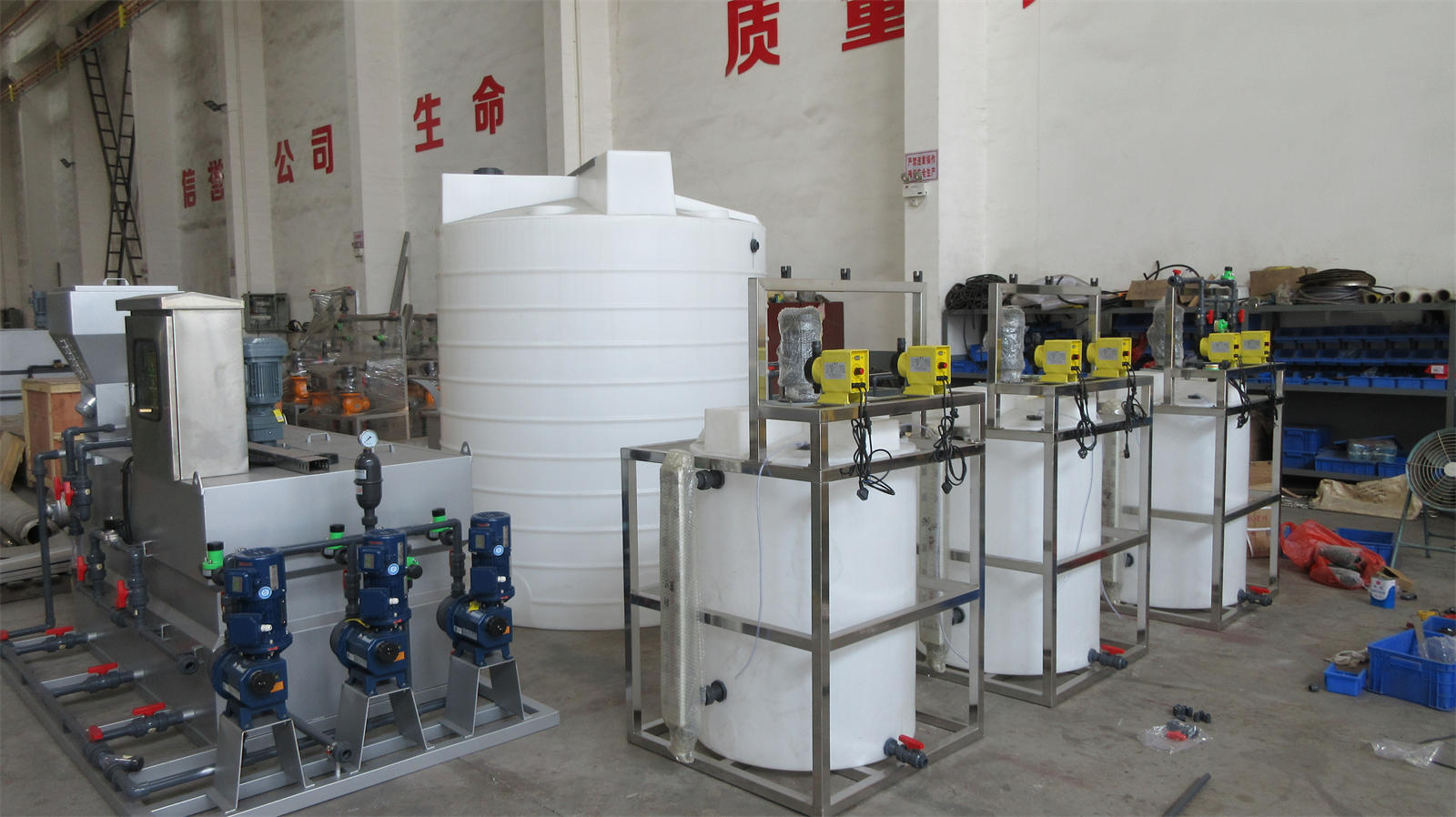
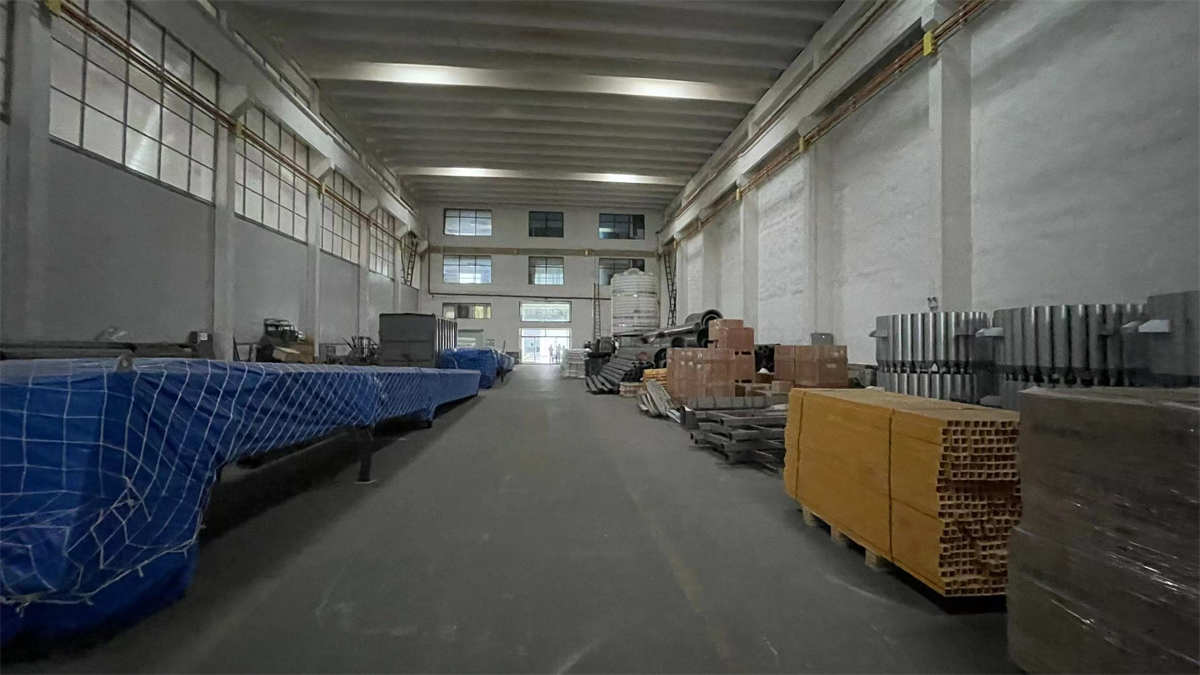
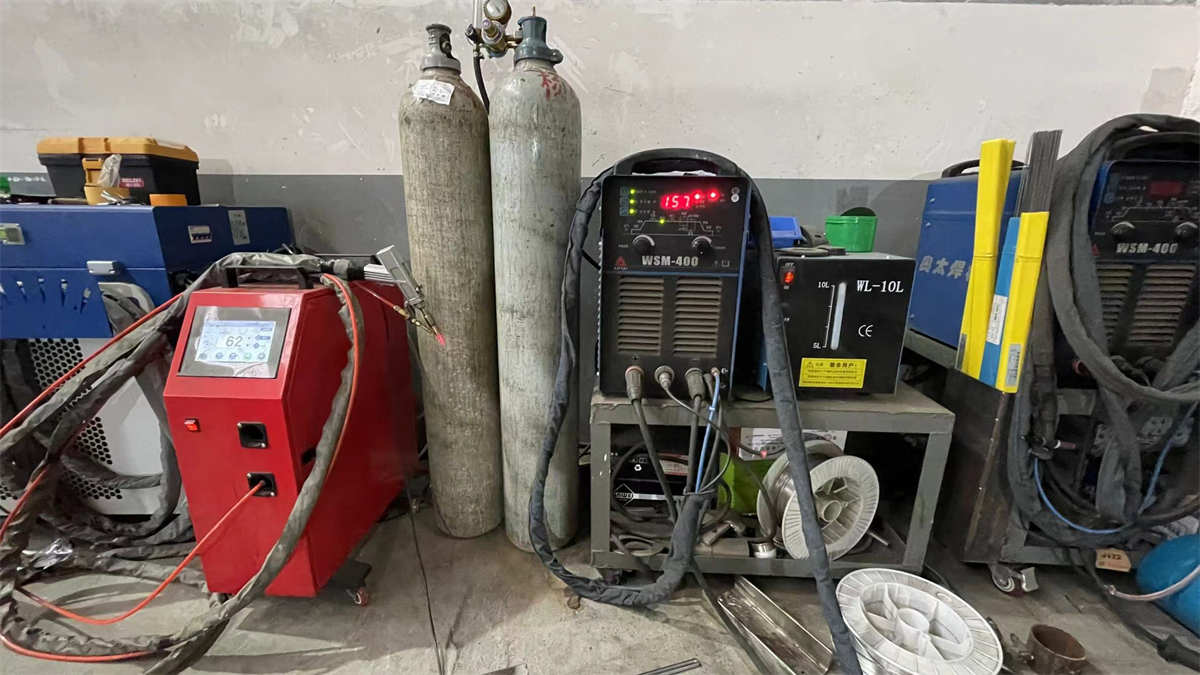
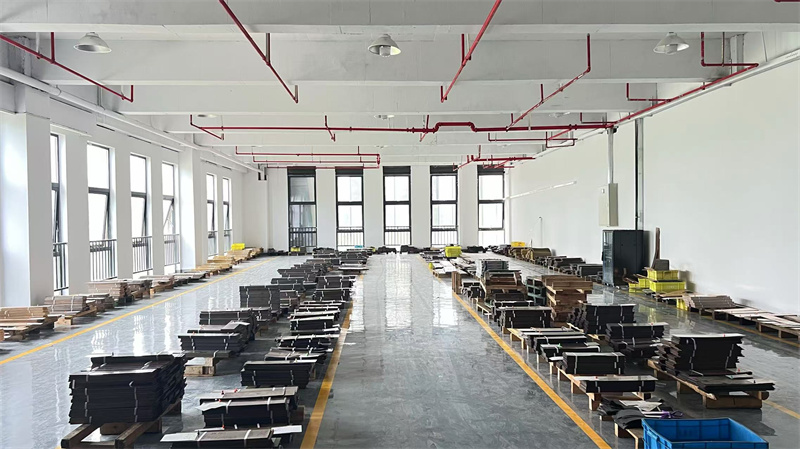
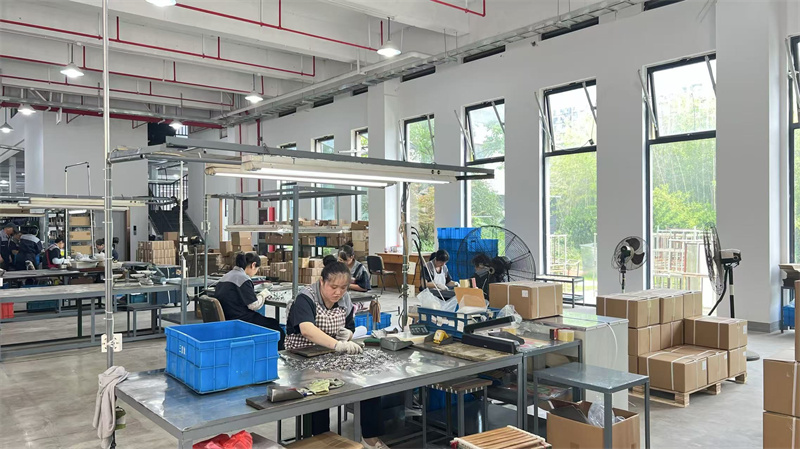
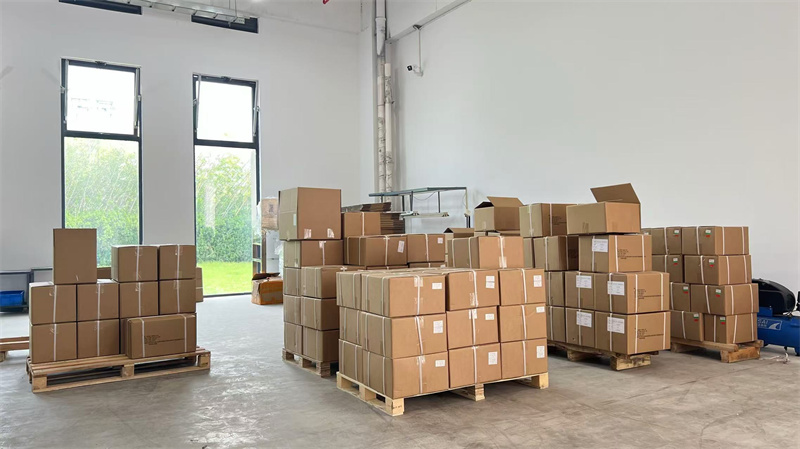
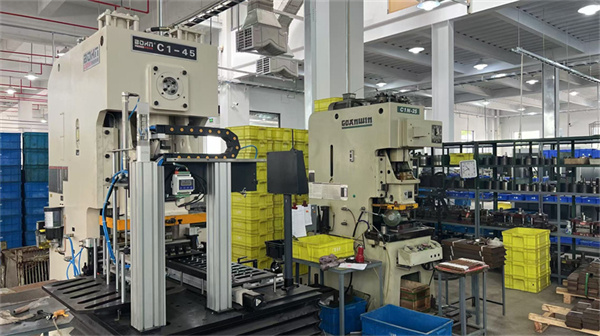
Our extensive solid-liquid separation catalog designed for varying throughputs, chemical specifications, and automation levels.
Our focus on engineering precision, material selection, and process automation translates into a competitive advantage.
In high-pressure dewatering, performance is determined by structural integrity and control engineering. The frames of our filter presses are fabricated using high-strength Q345B steel plates, which undergo comprehensive stress relief and sandblasting to ensure resistance to deformation under clamping pressures exceeding 25 MPa.
Our filter plates are manufactured using high-pressure polypropylene compression molding, allowing them to withstand operation at temperatures up to 90°C and pressures of 1.6 MPa. For applications requiring low moisture levels, our Membrane Squeezing System allows operators to inject high-pressure air or water into the membrane diaphragm. This mechanism physically compresses the filter cake inside the chamber, reducing cycle times and driving final cake moisture down by an additional 10% to 20% compared to standard chamber presses.
Our automation systems utilize PLC controls, integrated with major industrial protocols. This enables Brisbane plant operators to manage plate shifting, drip tray operation, cloth washing, and cake discharge cycles directly from their main SCADA control rooms, saving labor costs and minimizing human contact with hazardous slurry chemicals.
Answering the technical and operational questions of plant operators and procurement managers in Brisbane.
Contact our engineering team to get a detailed technical analysis and a competitive quote for your Brisbane industrial or municipal application.
Send Inquiry Now Jovios Equipment