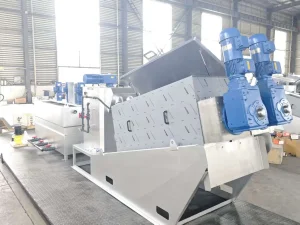
Advanced sludge volume reduction comparing high-performance operations to standard belt designs in cold climates.
View Technical Specs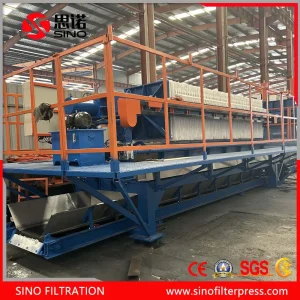
Robust hydraulic configuration engineered for high-solids loading in chemical processing plants.
View Technical Specs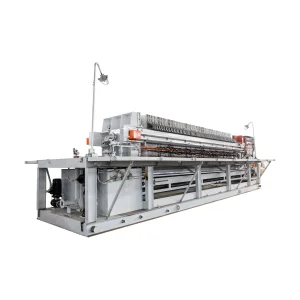
Diaphragm squeezing mechanism to achieve minimum moisture content in complex municipal sludges.
View Technical Specs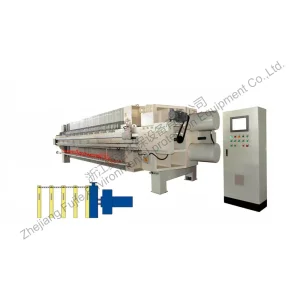
Rapid cycle opening action optimized for bulk mining tailing filtration and quick cake discharge.
View Technical SpecsCalgary, Alberta, operates as the commercial hub of Canada's resource sector and represents a complex market for industrial solid-liquid separation. Regulatory pressures driven by the Alberta Energy Regulator (AER) and municipal wastewater treatment codes require local operators to reduce water consumption, mitigate environmental tailings liabilities, and improve zero-liquid discharge (ZLD) metrics. The region's cold climate conditions place additional technical demands on dewatering machinery, requiring equipment that can deliver continuous throughput under changing physical properties and viscosity fluctuations.
Industrial installations across the Western Canadian Sedimentary Basin depend on advanced mechanical separation to process municipal biosolid waste, petrochemical chemical streams, oil sands froth treatment tailing remediation, and mining fine refuse. Local engineering firms in Calgary prioritize technologies that reduce chemical flocculent consumption and lower shipping costs of waste cakes through dry cake production. Achieving dry solids concentrations above 65% is standard practice to comply with provincial landfill storage regulations and to optimize transportation logistics.
Worldwide, the mineral processing, industrial manufacturing, and municipal sanitation sectors are shifting toward fully automated, high-pressure filtration lines. Traditional systems, such as belt presses and centrifuges, are increasingly being replaced by membrane and chamber filter presses due to the latter’s ability to achieve lower cake moisture contents. Decreased moisture directly translates to reduced energy consumption in downstream thermal dryers, supporting global corporate decarbonization initiatives.
Additionally, integrating Industrial Internet of Things (IIoT) sensors, automatic plate-shifting mechanisms, smart diaphragm squeezing lines, and localized PLC systems reduces onsite operational costs. Modern facilities require systems that can run continuously with minimal human supervision while maintaining optimal throughput.
Delivers up to 2.0 MPa squeeze pressure to reduce cake moisture content below critical thresholds.
Integrated Siemens control systems for automated plate shaking, cloth washing, and cake discharge.
Engineers in Calgary often compare automatic chamber/membrane filter presses with belt filter presses, decanter centrifuges, and screw press dehydrators. The table below details the performance trade-offs under standard operating conditions:
| Performance Criteria | Membrane / Chamber Press | Belt Filter Press | Decanter Centrifuge | Screw Press |
|---|---|---|---|---|
| Cake Dryness (Typical) | 60% - 85% Solids | 18% - 28% Solids | 20% - 32% Solids | 15% - 25% Solids |
| Chemical Cost (Polymer) | Low (Flocculant optional) | High Consumption | Very High | Medium |
| Filtrate Quality / Clarity | Excellent (<20 ppm TSS) | Moderate | Variable | Moderate |
| Power Consumption | Low (Intermittent hydraulic pump) | Medium | Very High (Continuous motor) | Very Low |
| Maintenance & Wear | Low (Filter cloth replacement) | High (Belt wear, roller alignment) | High (Abrasive scroll wear) | Low |
In Calgary and the surrounding industrial zones—such as Foothills, Great Plains, and Shepard—companies use specialized filter press configurations to manage target municipal and industrial streams:
Processes mature fine tailings (MFT). High-pressure squeeze plates isolate clean return water and reduce tailings pond volumes.
Aids in regional wastewater treatment. Produces highly dewatered filter cakes, lowering disposal fees and municipal transport costs.
Dewatering coal, silica sand, and base metal concentrates. Provides high throughput and dry cakes ready for transportation.
Our engineering team designs filter presses to handle tough industrial applications. The design features a reinforced steel frame structure that resists tension during high-pressure cycles. The hydraulic closing cylinder is manufactured using induction-hardened alloy rods and high-grade seal kits to prevent fluid leaks under high pressure.
The filter plates are molded from high-density virgin polypropylene, ensuring chemical resistance and stability at high operating temperatures. For membrane squeeze plates, elastomer diaphragms are thermal-welded onto the core plate, allowing secondary mechanical squeezing using water or compressed air at pressures up to 20 bar. The automated control cabinet features a Siemens PLC with an HMI touchscreen interface, enabling adjustment of feed times, wash cycles, and squeeze times to optimize performance for changing slurry types.
Jovios continues to integrate advanced features into its solid-liquid separation equipment to improve reliability and performance:
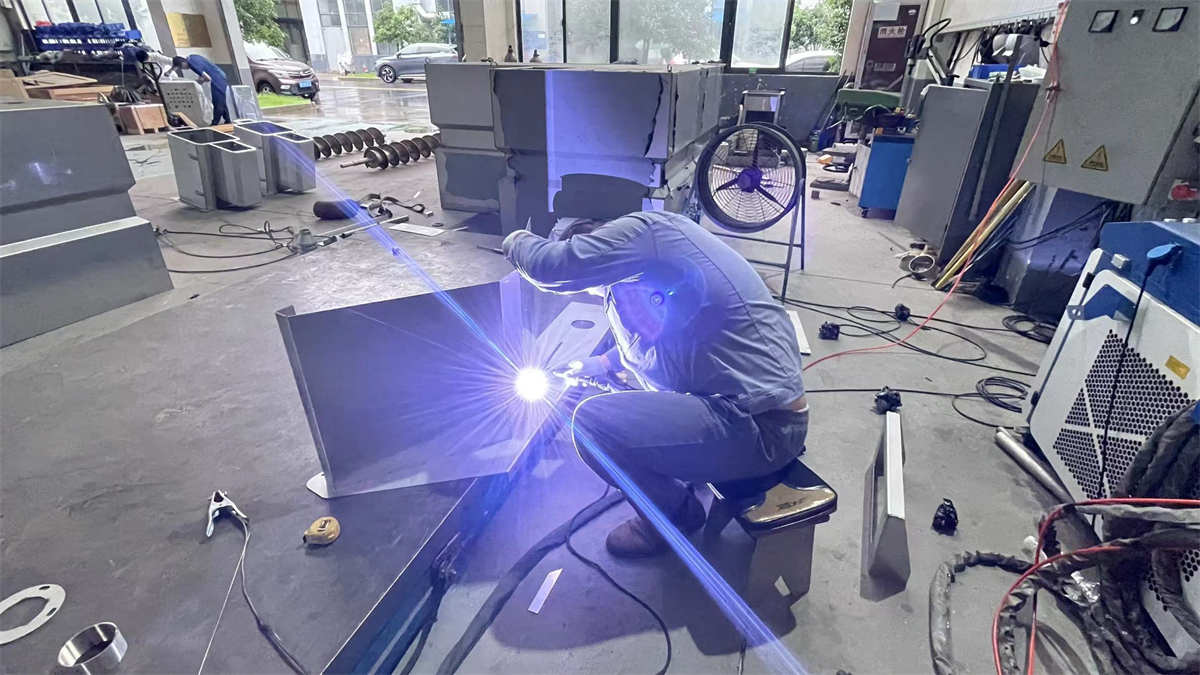
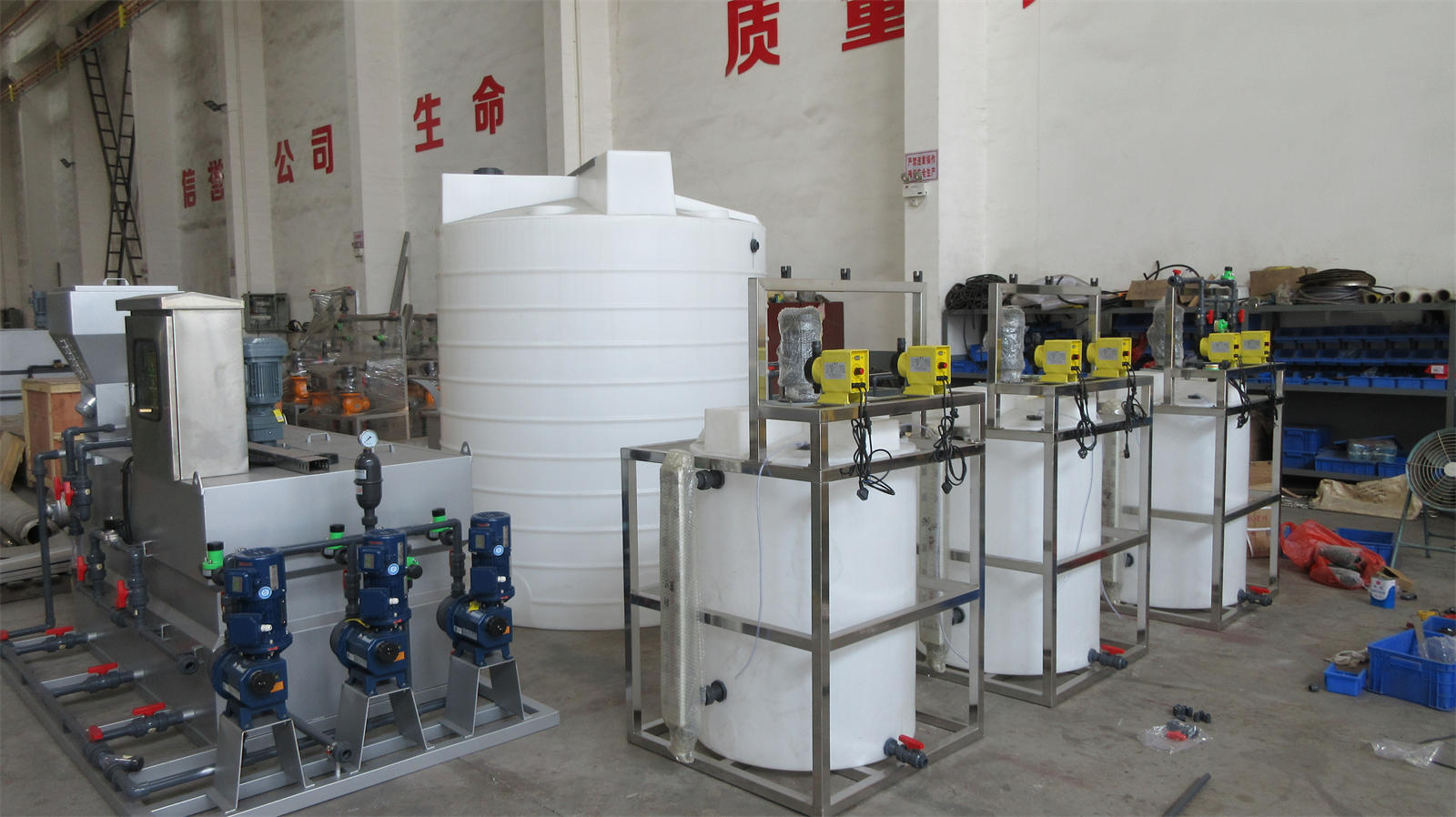
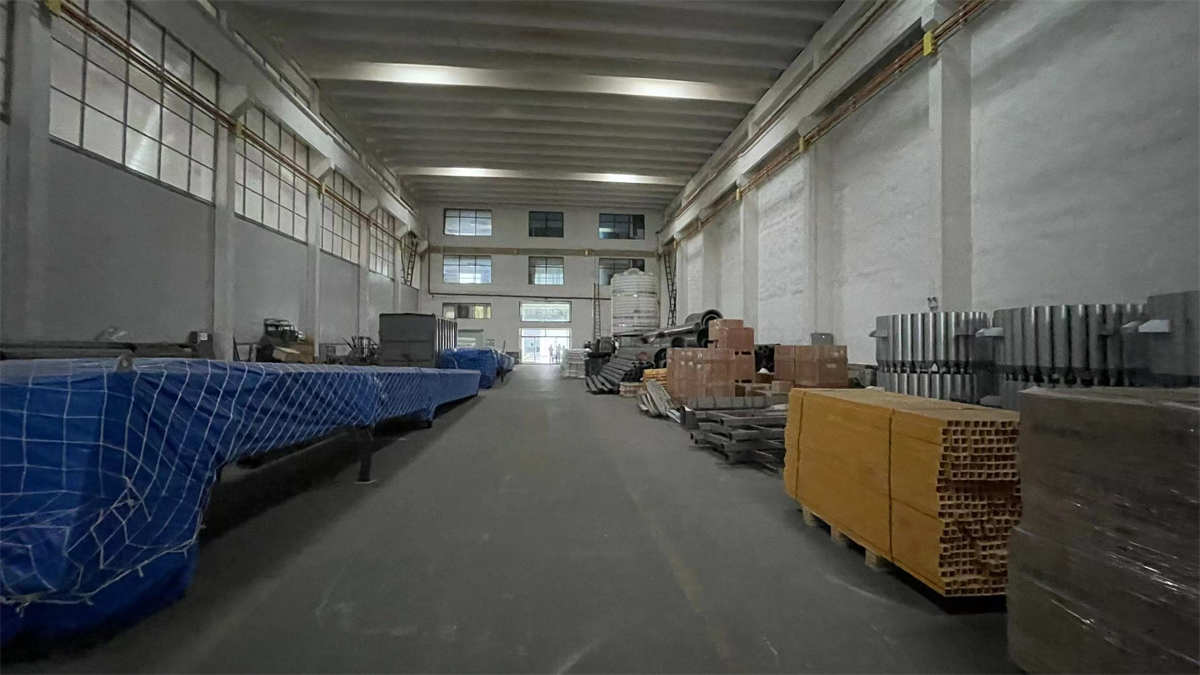
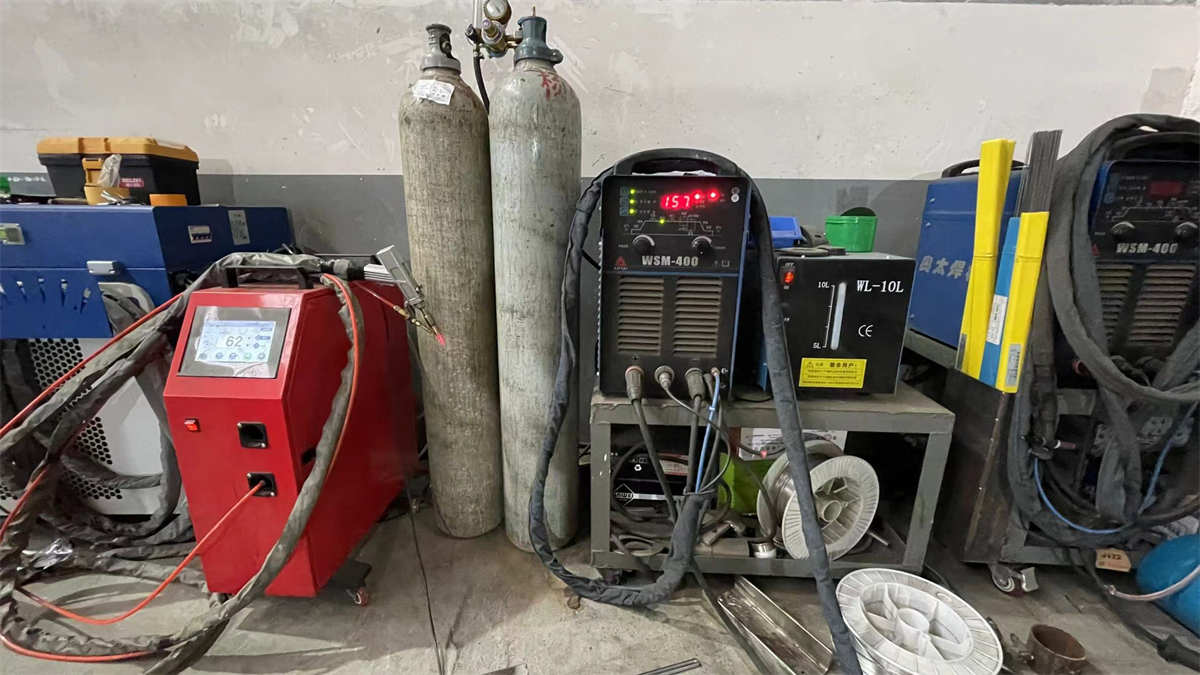
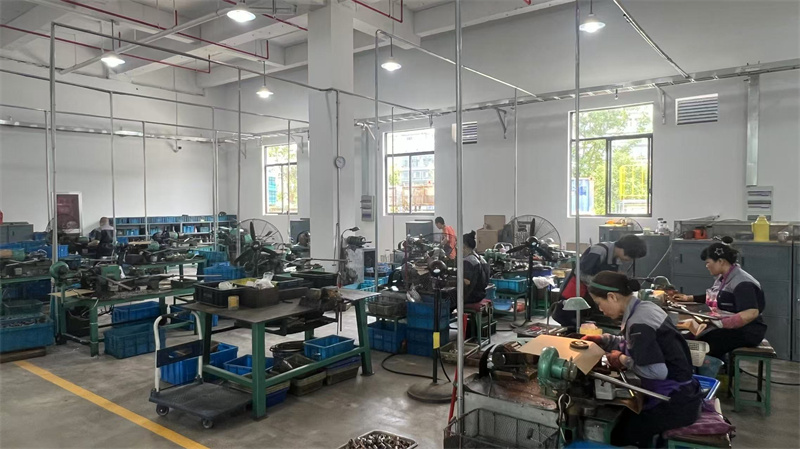
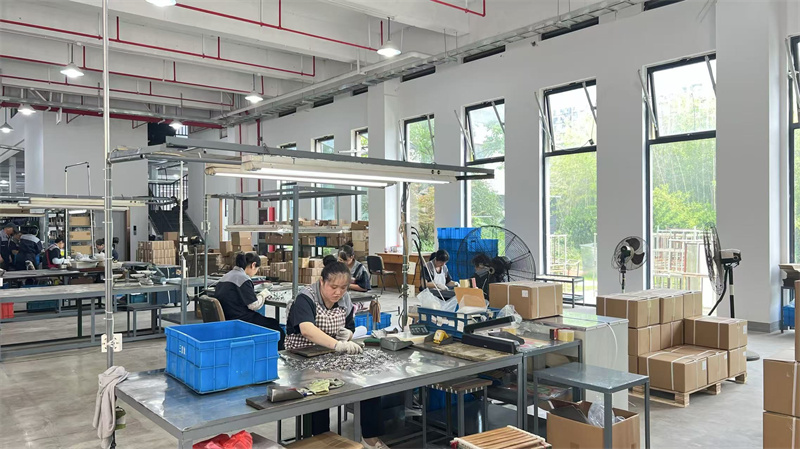
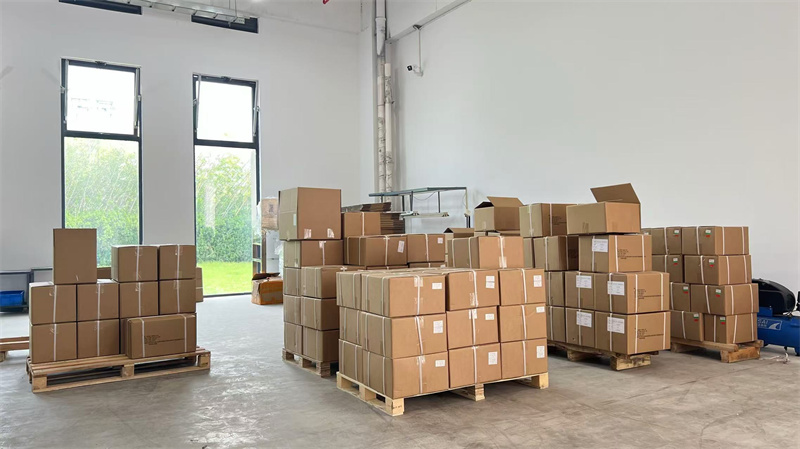
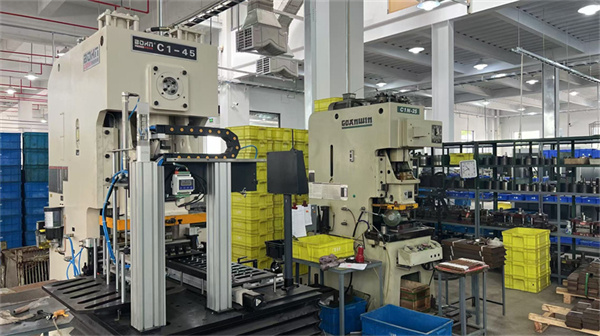
Changzhou Jovios Equipment Co., Ltd. is a manufacturer and solution provider specializing in solid-liquid separation and environmental protection equipment. Operating a modern manufacturing base covering more than 50,000 square meters, we support global operations with design, fabrication, assembly, and quality assurance processes.
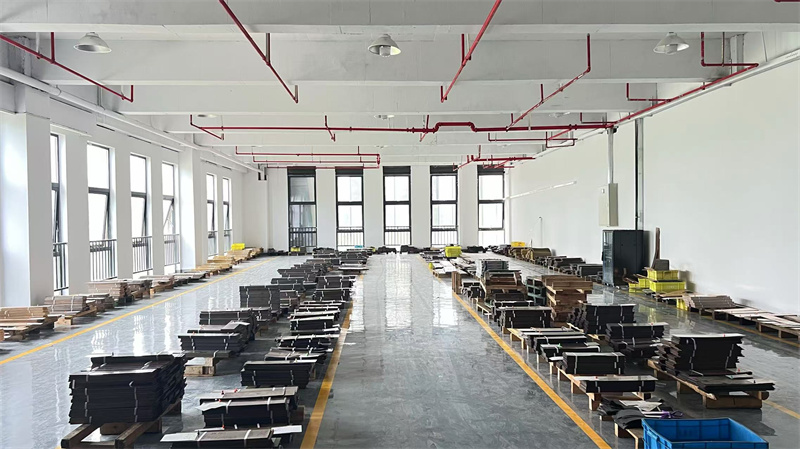
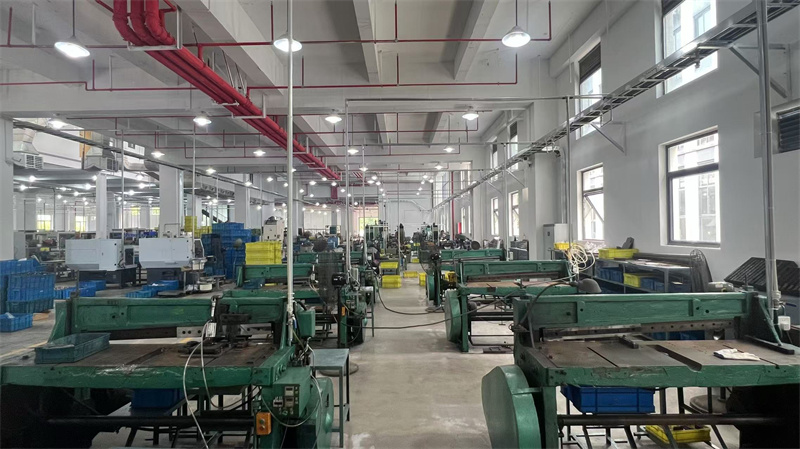
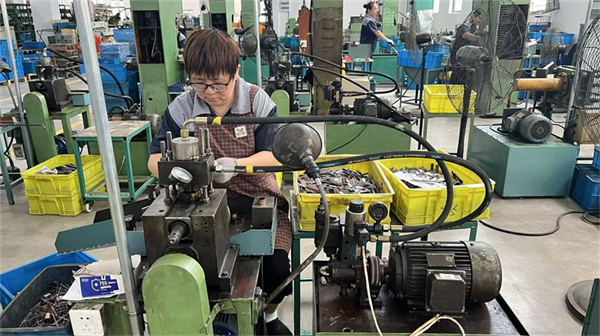
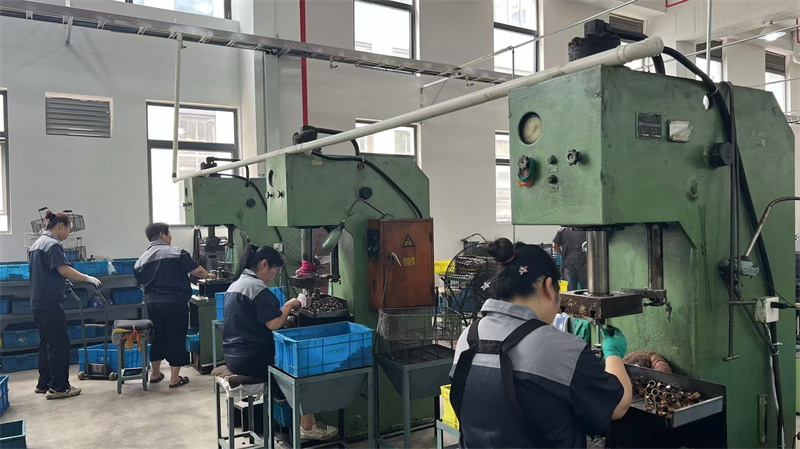
Select from our complete range of solid-liquid separation machinery, customized to meet the technical requirements of industrial and municipal projects in Western Canada.
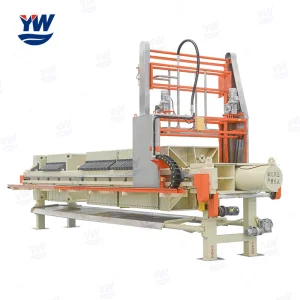
Durable chamber design built to handle changing municipal sludge compositions efficiently.
View Technical Specs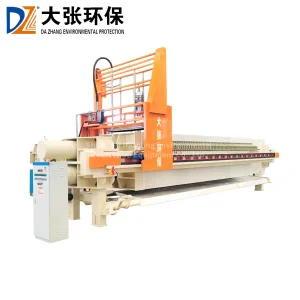
High-pressure water washing system keeps filter cloths clean and maintains filtration efficiency.
View Technical Specs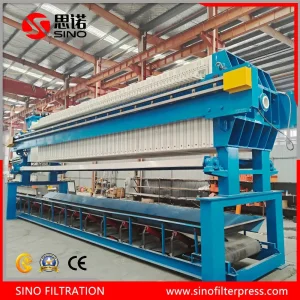
Integrated diaphragm squeeze systems process oily sludges and recover water from tailings.
View Technical Specs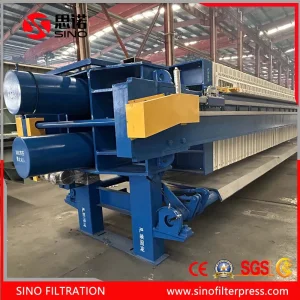
Industrial-grade components built to international standards at competitive pricing.
View Technical Specs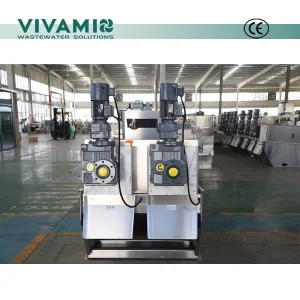
Continuous screw configuration designed for organic processing and food-grade sludge applications.
View Technical Specs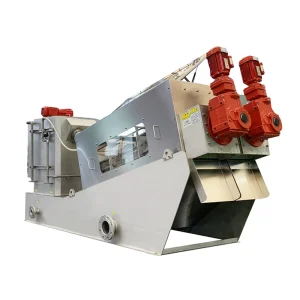
Continuous belt filter system designed to handle large fluid volumes in sand mining operations.
View Technical Specs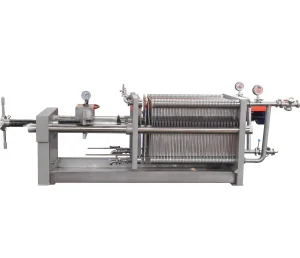
Sanitary stainless steel clad frames designed to comply with local food safety regulations.
View Technical Specs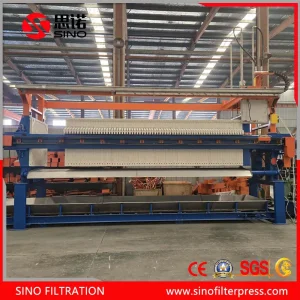
Heavy-duty construction optimized to handle abrasive mining slurries and fine tailings.
View Technical Specs Jovios Equipment