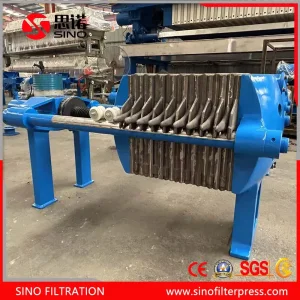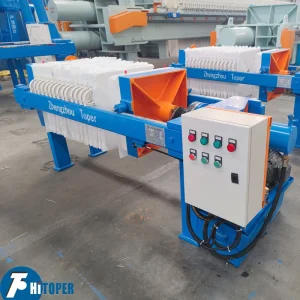
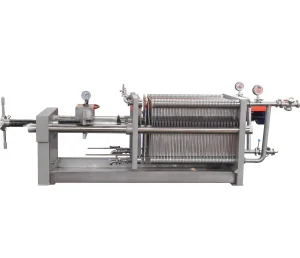
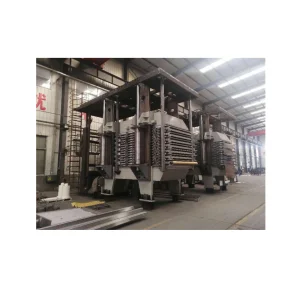
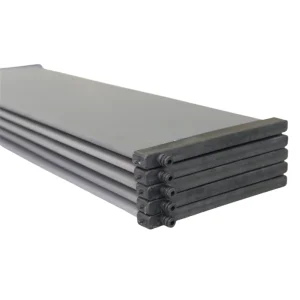
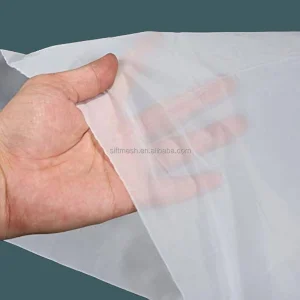
Industrial filtration systems, specifically micro-pore cartridge filters and industrial membrane modules, are undergoing rapid evolution. Driven by strict global environmental regulations such as the European Union’s Water Framework Directive and the United States Clean Water Act, industrial operators must ensure effluent quality matches stringent micro-particle limits. Modern factories no longer view filtration as merely an operational overhead but as a critical mechanism for process optimization, resource recovery, and zero-liquid discharge (ZLD) strategies.
From chemical manufacturing plants requiring acid-resistant Silicon Carbide (SiC) Ceramic Membranes to food-processing lines sorting ultra-pure proteins with cellulose acetate matrices, selection of the exact micron-rated barrier is paramount. The integration of high-precision pleated cartridge systems alongside robust membrane chamber filter presses provides a dual-barrier protection layout, maximizing flux rates while minimizing system downtime.
As global supply chains demand shorter lead times and higher material consistency, Chinese advanced manufacturing ecosystems—specifically in Yangtze River Delta high-tech zones—have structured state-of-the-art integration hubs.
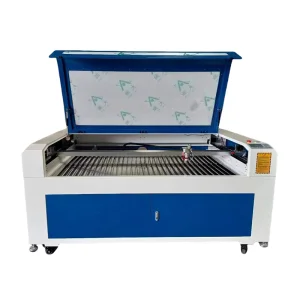
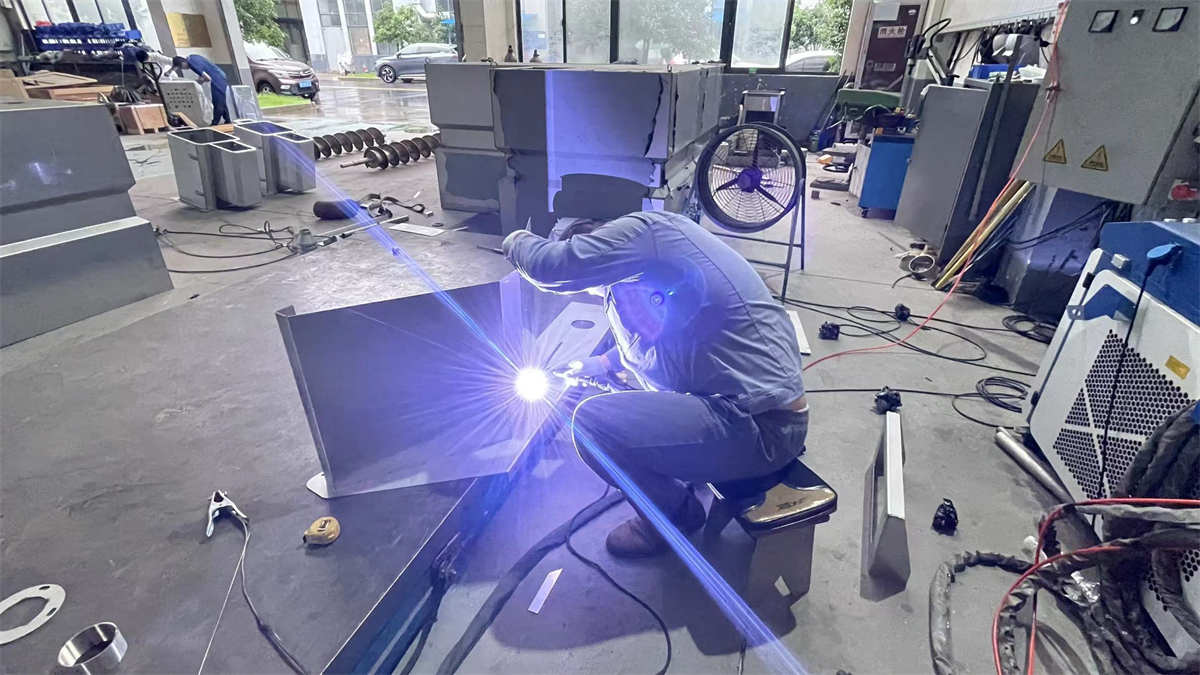
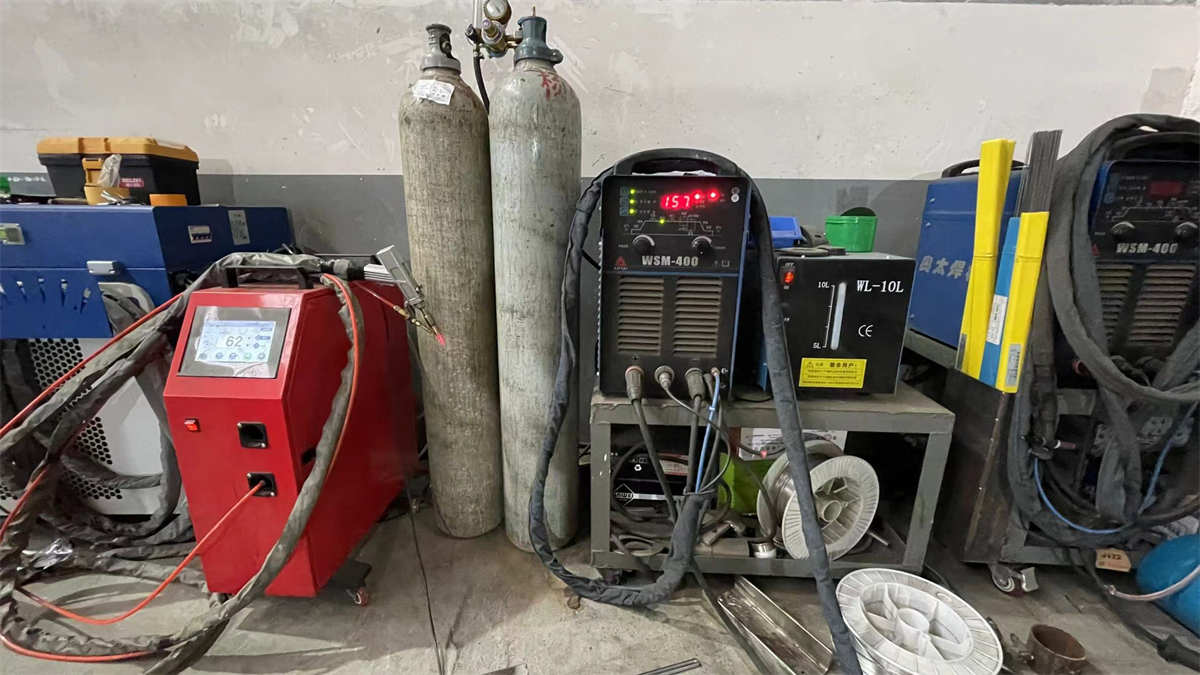
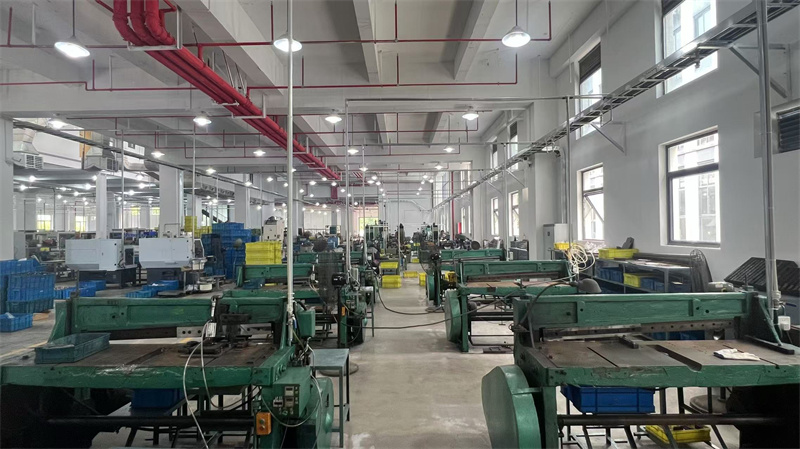
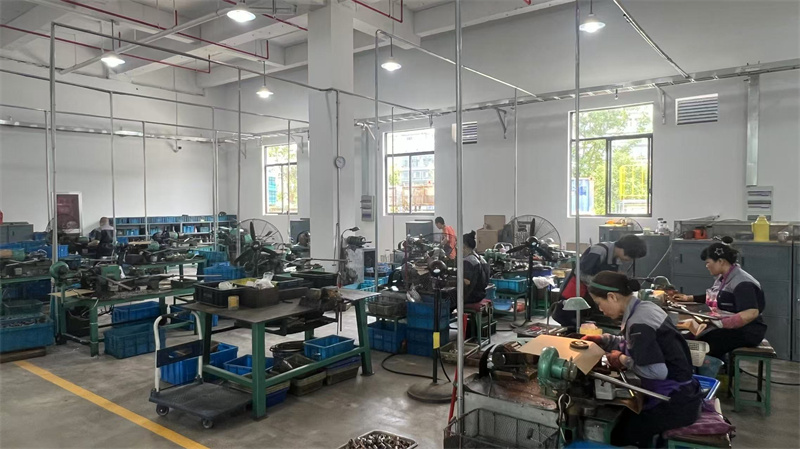
By consolidating all key processes—from metal shearing and automated robotic welding to custom membrane sintering and polymeric textile weaving (utilizing high-precision laser cutters)—factories minimize third-party markups.
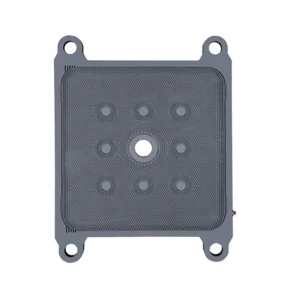
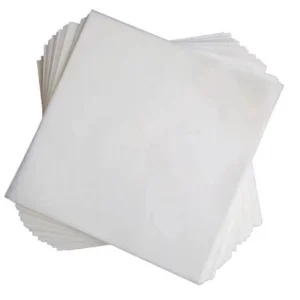
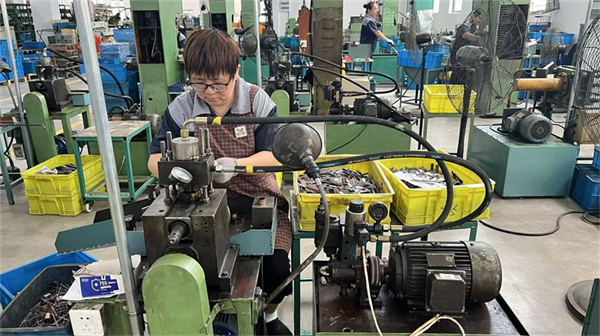
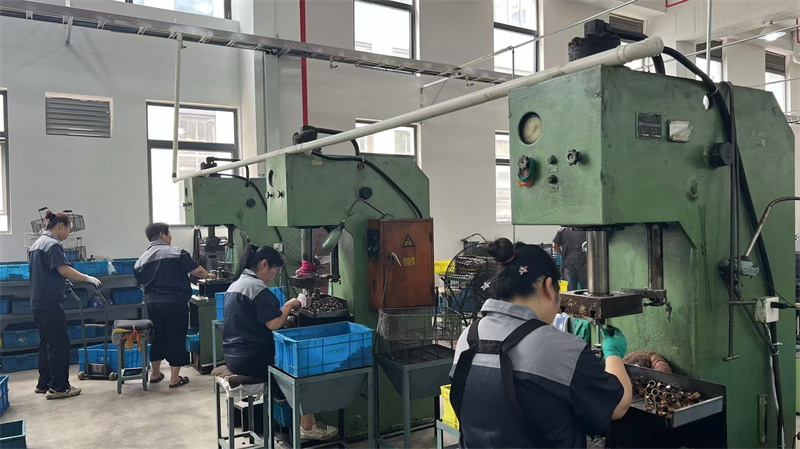
We implement automated hydraulic press chambers, state-of-the-art roll bending, and automated punch-press matrices to guarantee perfect dimensional tolerances for filter plates and cloth configurations up to 1200mm and above.
Every filtration element, whether it is a 150-micron food-grade nylon mesh or a high-purity quartz fiber sintered disc, undergoes pressurized validation checks to prevent bypassing and premature blinding under load.
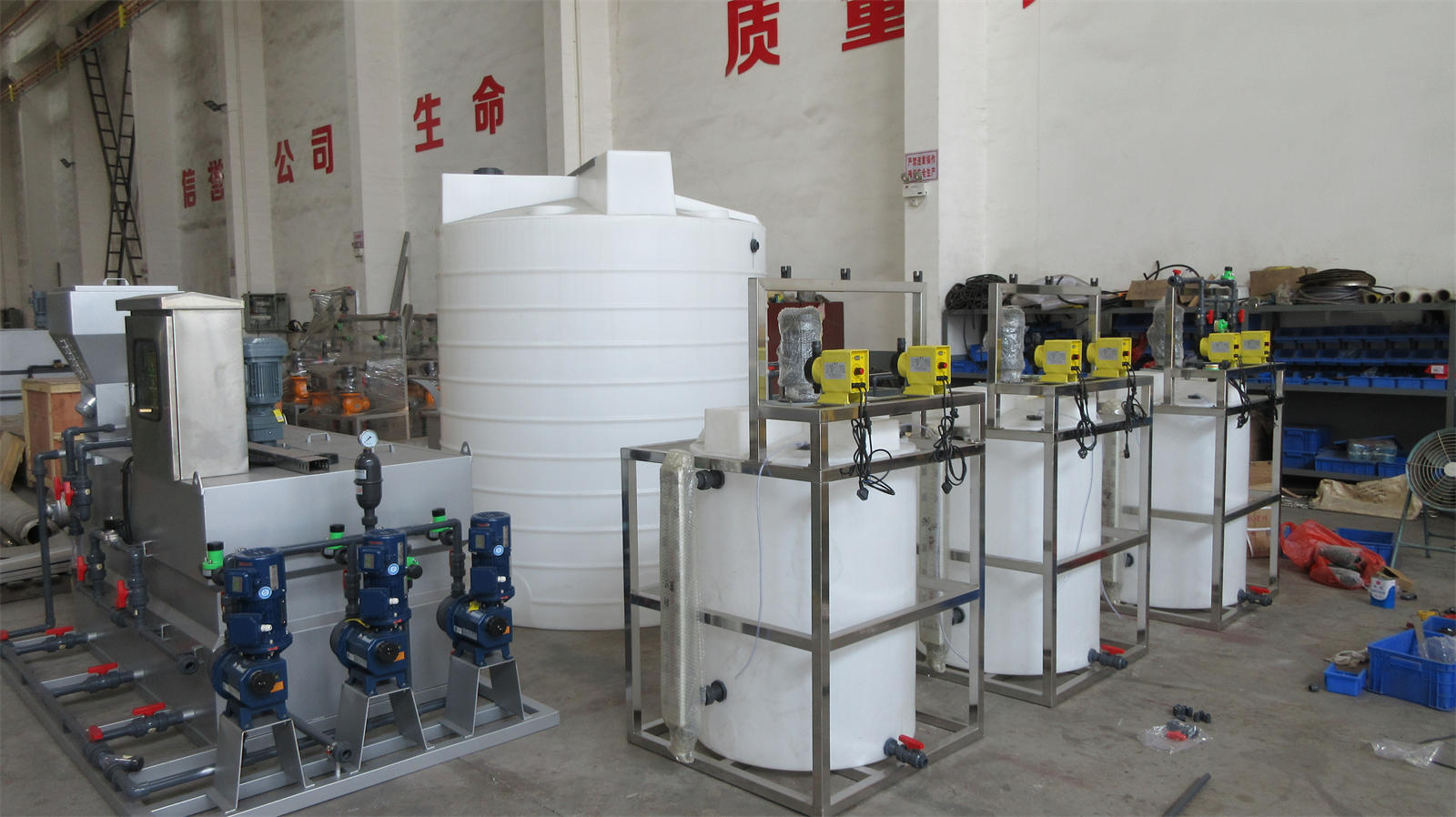
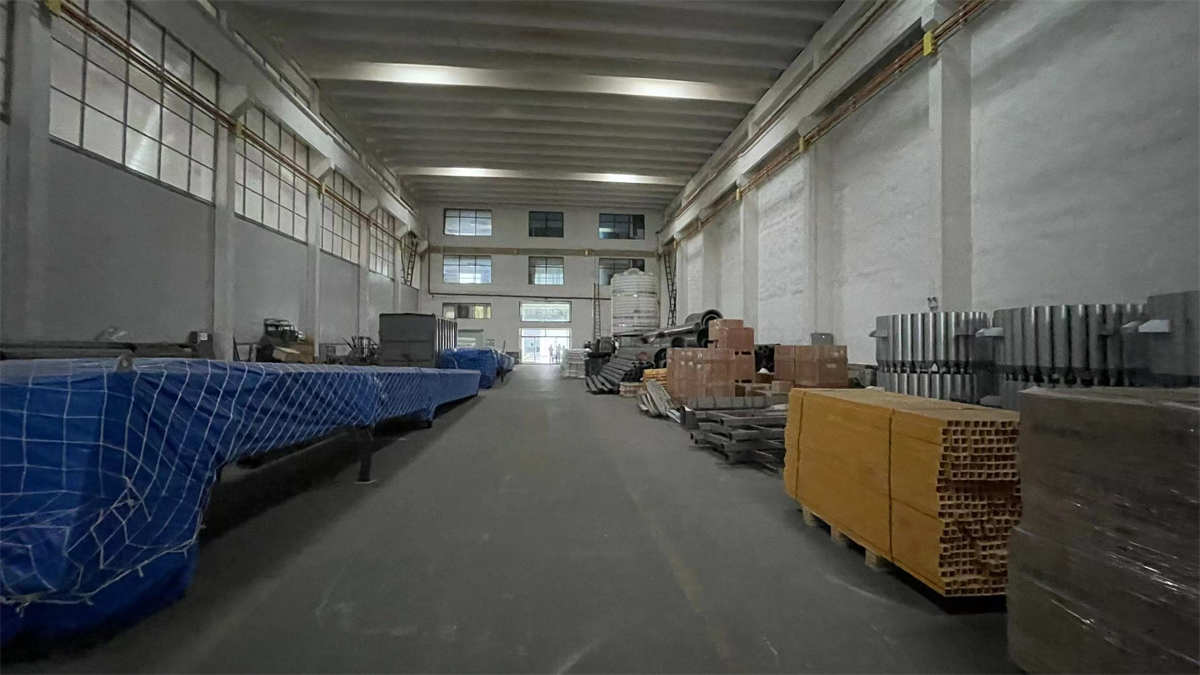
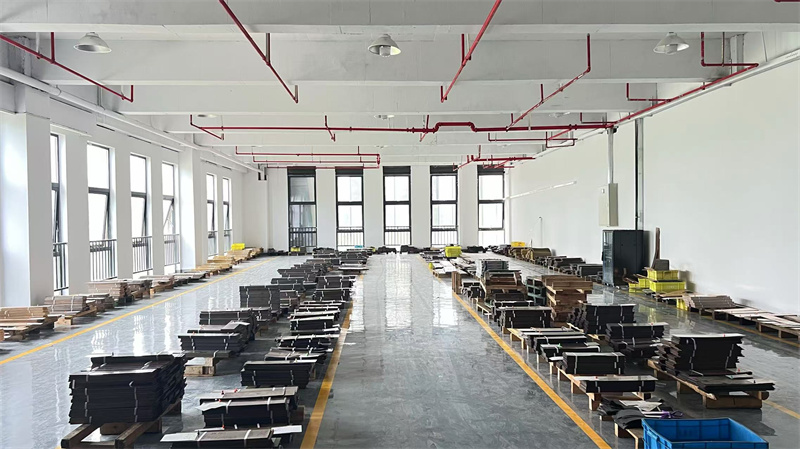
Changzhou Jovios Equipment Co., Ltd. is a professional manufacturer and solution provider specializing in solid-liquid separation and environmental protection equipment. Located in Changzhou National High-tech Industrial Development Zone, Jiangsu Province, China, the company operates a modern manufacturing base covering more than 50,000 square meters, equipped with advanced production facilities and a comprehensive quality inspection center.
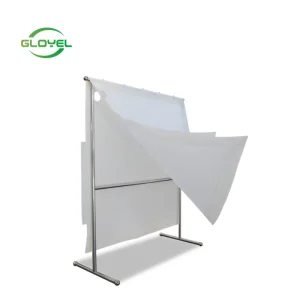
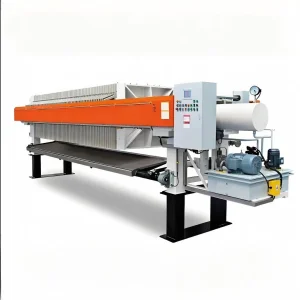
Jovios independently designs, develops, and manufactures a complete range of filtration and separation equipment, including plate and frame filter presses, membrane filter presses, automatic filter presses, intelligent filtration systems, as well as high-performance filter plates and filter cloths. With an annual production capacity exceeding 1,000 units, our products are widely applied in municipal wastewater treatment, chemical processing, petroleum, mining, metallurgy, pharmaceuticals, food and beverage production, paper manufacturing, textile dyeing, ceramics, building materials, and many other industries.
Our experienced research and development team consists of more than 30 senior engineers and technical specialists. Through close cooperation with universities, research institutes, and industry partners, we continuously integrate innovative technologies into product development, ensuring reliable performance, higher efficiency, and sustainable operation.
At Jovios, we are dedicated to delivering efficient, energy-saving, and environmentally responsible separation solutions for industrial customers worldwide. Through continuous innovation and customer-focused engineering, we help businesses improve productivity, reduce operating costs, and achieve sustainable growth.
Our production floor incorporates automated mechanical processing tools to guarantee consistency across every filter press structural beam, manifold, and custom filter medium.
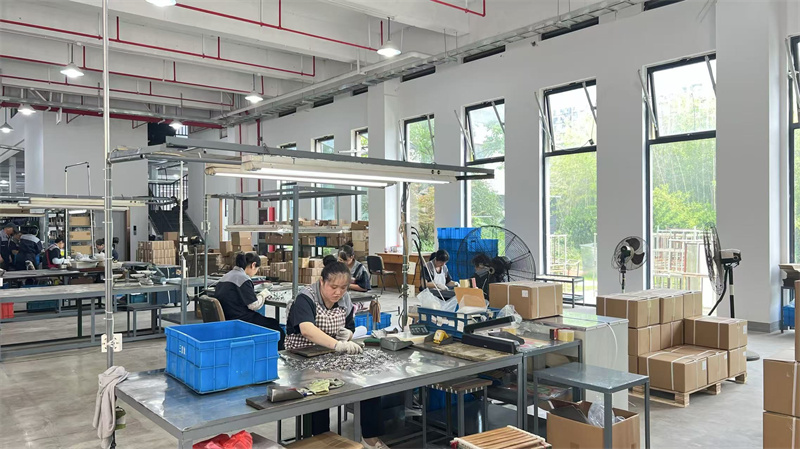
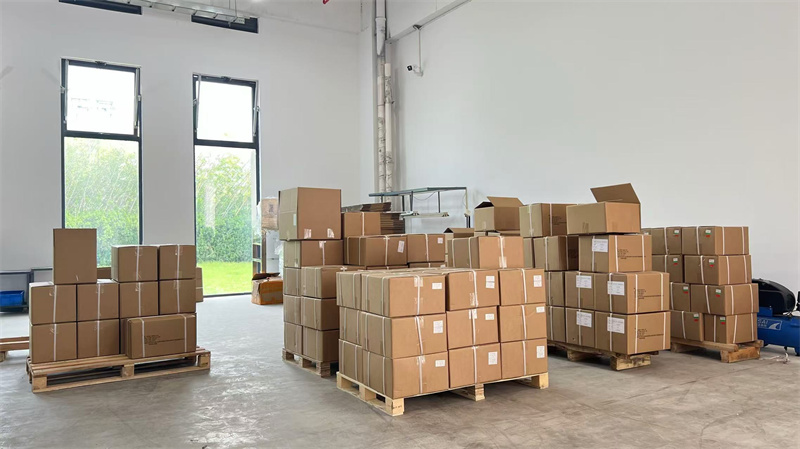
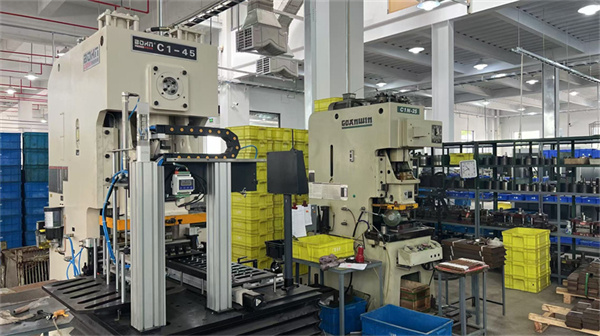
The key to selecting the right filter system is identifying the physical-chemical reactions between the filtrate slurry and the contact material. The table below lists standard configuration options for modern process engineers.
| Material Class | Common Formats | Micron Ratings (μm) | Max Temp Tolerance | Primary Industrial Applications |
|---|---|---|---|---|
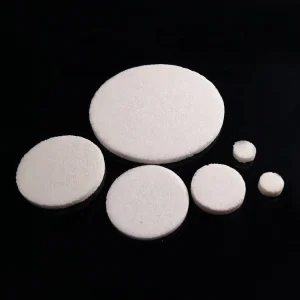
| Cellulose Acetate (CA) | Qualitative Membrane Plates / Discs | 20 - 25 μm | ~60°C | Biopharmaceutics, organic solvent filtration, lab assays. |
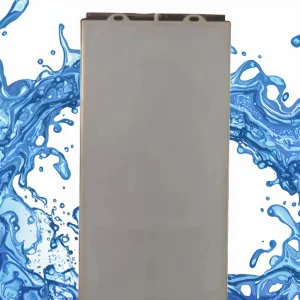
| Silicon Carbide (SiC) | Ceramic Plate / Tubular Membranes | 0.1 - 10 μm | Up to 800°C | Highly corrosive acids, high-temp alkaline liquor, drinking water. |
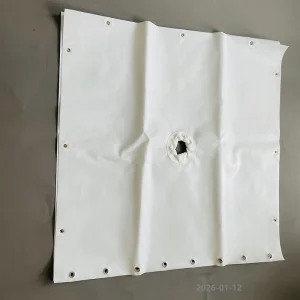
| Polyester & PP Monofilament | Chamber Filter Press Cloths | 1 - 150 μm | 90°C - 120°C | Mining tailings, metal sludge dewatering, municipal wastewater. |
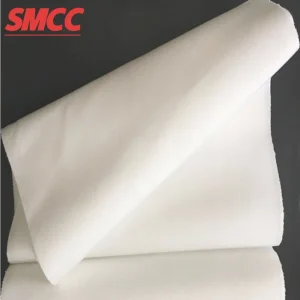
| Polyamide (PA66 / Nylon) | Microporous Fabrics & Mesh | 120 - 200 μm | ~115°C | Food and beverage, soy milk extraction, micro-particle grading. |
| Cast Iron & Stainless Steel | Chamber/Plate-Frame Press Units | System Base | Up to 300°C | High-pressure organic chemical processing, petrochemical refining. |
From regional mining operations in Australia to pharmaceutical lines in Germany, custom-tailored filtration setups are critical. Here is how Jovios technologies address localized demands:
In raw material processing (Lithium Carbonate & Nickel-Cobalt-Manganese precursors), vertical tower hydraulic filter presses (HVPF series) are the industry standard. They deliver fast cycles and automated washing steps to remove soluble salts from valuable metal precipitates.
High-volume mining sites require high mechanical strength. Heavy-duty plate and frame filters paired with anti-abrasive polyester cloths treat heavy tailings slurries, facilitating dry stack tailing storage and recycling over 90% of process water.
Strict hygiene controls demand food-grade nylon (PA66) filter meshes and specialized hydraulic chamber presses. These systems refine high-viscosity media (like honey or palm oil) without stripping natural aromas or introducing plasticizer contamination.
To assist procurement directors and process engineers in qualifying manufacturing partners, we have compiled answers to common technical inquiries.
 Jovios Equipment