Engineered to optimize industrial dewatering, slurry separation, and micro-filtration processes.
Industrial filtration is the bedrock of environmental compliance and process efficiency across global sectors.
In modern industrial manufacturing, the demand for highly efficient solid-liquid separation and gas-particle filtration has transitioned from a routine operational requirement to a critical strategic bottleneck. Industrial vacuum filtration systems, pressure filter presses, and advanced membrane systems form the technological core that allows processing plants to recover valuable materials, recycle water, minimize waste, and meet stringent localized environmental discharge limits.
As sourcing directors and engineering executives seek the top vacuum filter manufacturers and suppliers, the evaluation framework must go beyond simple unit pricing. It must encompass technical longevity, material innovation (such as silicon carbide ceramic membranes vs. polymer needle-punched fabrics), scale of manufacturing capabilities, global engineering support, and regulatory compliance certificates (such as CE, ISO 9001, FDA, and ATEX).
How procurement professionals evaluate leading filtration OEMs on technical competency and system durability.
Suppliers must present verifiable case studies, raw material trace documentation, and third-party certifications (e.g., ISO, ASME) to prove manufacturing authority and build supply chain reliability.
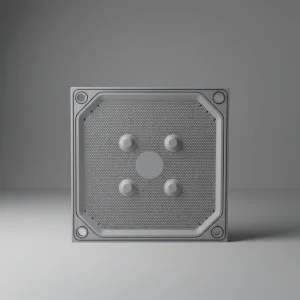
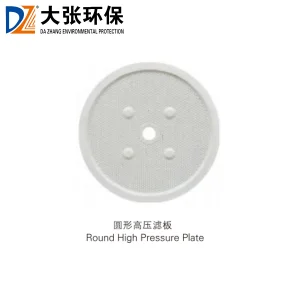
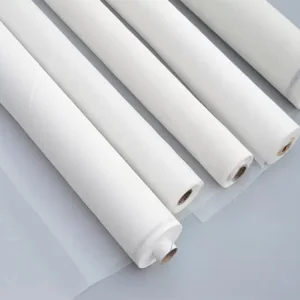
Selection of chemically inert polymers (e.g., high-density polypropylene for plates) and premium woven fabrics (nylon, polyester) designed to withstand high pressure gradients and corrosive slurry profiles.
Evaluating total cost of ownership by focusing on filter cake moisture reduction, cycle speed optimization, hydraulic pump durability, and minimal manual cleanout interventions.
The capacity to provide on-site commissioning, immediate spare parts distribution (diaphragm plates, gasket seals, custom filter clothes), and diagnostic engineering assistance.
| Filtration Technology Type | Primary Sourcing Material | Best Suited Application | Key Industrial Advantage |
|---|---|---|---|
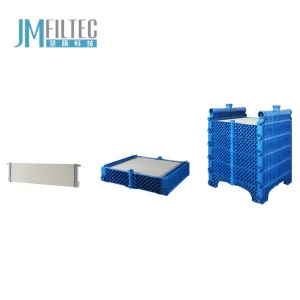
| Silicon Carbide (SiC) Membranes | Inorganic Sintered SiC | High-temp & extreme pH liquid recovery | Highly thermal resistant, zero thermal degradation |
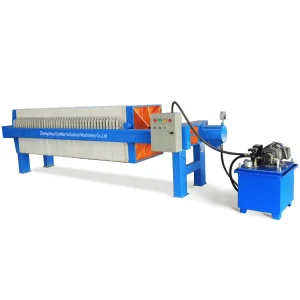
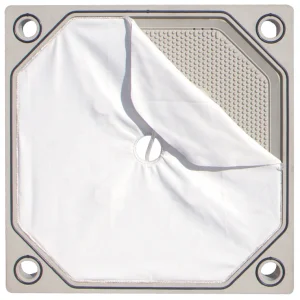
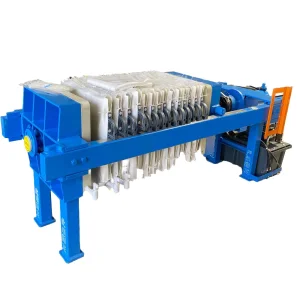
| Recessed Chamber Filter Presses | Reinforced Polypropylene (PP) | Mining tailings, heavy municipal sludge | Robust structure, handles extremely high solids loading |
| Membrane Diaphragm Presses | Elastomeric / Enhanced PP | Chemical slurry, food & beverage processing | Post-squeeze reduction of cake moisture by up to 25% |
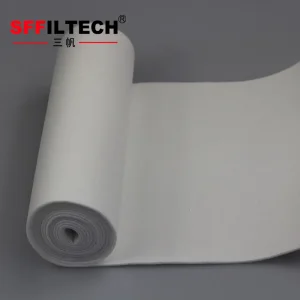
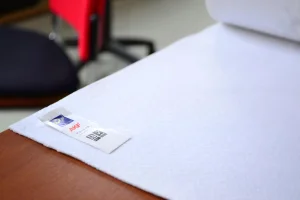
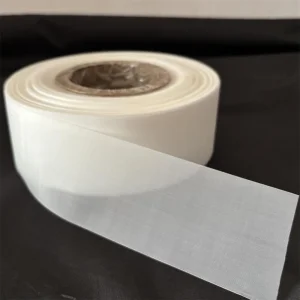
| Polyester & Nylon Woven Cloths | Monofilament / Multifilament yarns | Micron-level dry dust and slurry filtration | Excellent cake release properties and high tensile strength |
How top-tier suppliers resolve operational challenges in municipal, chemical, and metallurgical sectors.
Municipal wastewater operations and mining industries deal with millions of tons of heavy slurry daily. Traditional separation methods often yield high cake moisture contents, resulting in massive logistics and disposal costs. Leading manufacturers counter this bottleneck by designing high-pressure membrane squeeze systems that achieve ultra-low moisture retention.
In the chemical manufacturing sector, the primary challenge is corrosion and chemical attack. Using standard carbon steel and low-grade polymers leads to rapid degradation. Modern suppliers design systems utilizing Hastelloy, stainless steel, and acid-resistant polypropylene plates combined with gasket-recessed cloth designs to ensure zero leakage and long-term operating safety.
Reducing cake moisture from 80% to 55% via high-pressure membrane squeezing can reduce downstream transport and thermal drying costs by over 40%. This direct operational savings means capital expenditure (CAPEX) payback on optimized plate and frame presses is typically achieved within 12 to 18 months of deployment.
Consequently, procurement managers are shifting from lower-tier suppliers to integrated solution providers capable of offering custom-designed filtration plants with integrated slurry conditioning and cake wash options.
Emerging innovations that are shaping the future of global industrial filtration systems.
Representing a major evolution in water filtration, SiC membranes offer unparalleled flux rates, extreme chemical resistance, and the ability to operate under conditions where polymeric membranes degrade rapidly.
Modern filter presses are incorporating IoT pressure sensors and optical cake-thickness monitoring systems. Real-time predictive maintenance algorithms notify operators before seals fail or cloth blinding occurs.
The push for sustainable manufacturing has driven research into fully recyclable filter media and biodegradable polymer fabrics, ensuring the carbon footprint of the filtration equipment itself is minimized.
A deep dive into the manufacturing capabilities, engineering processes, and service portfolio of a top industry OEM.
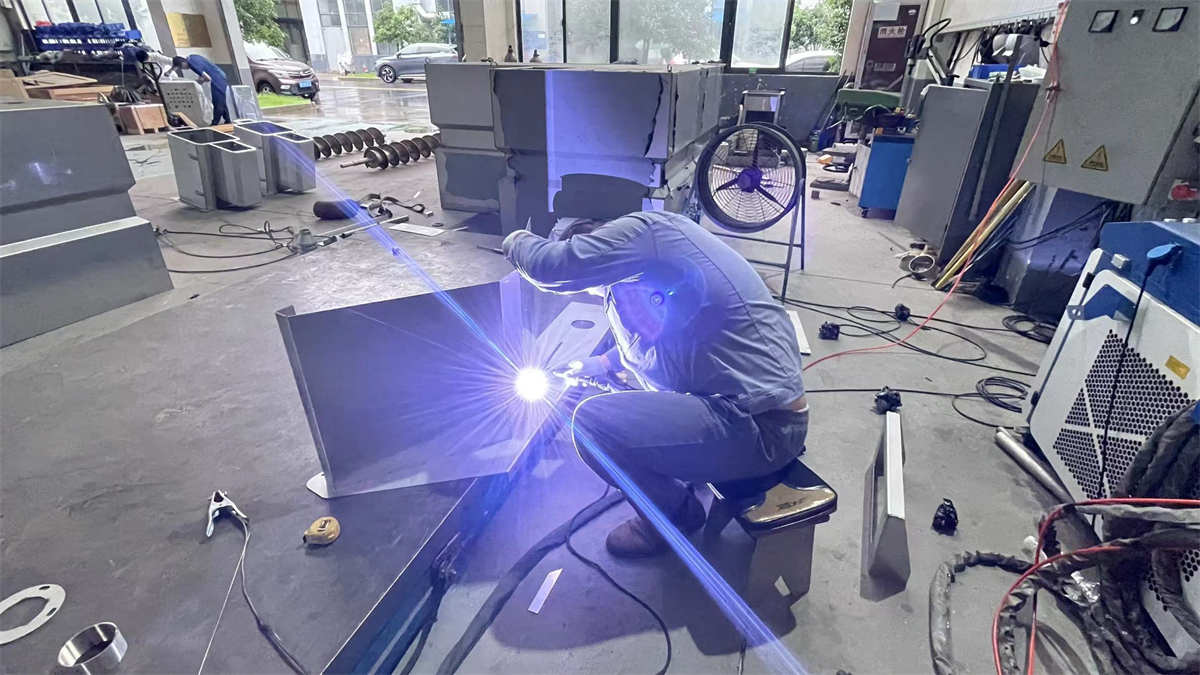
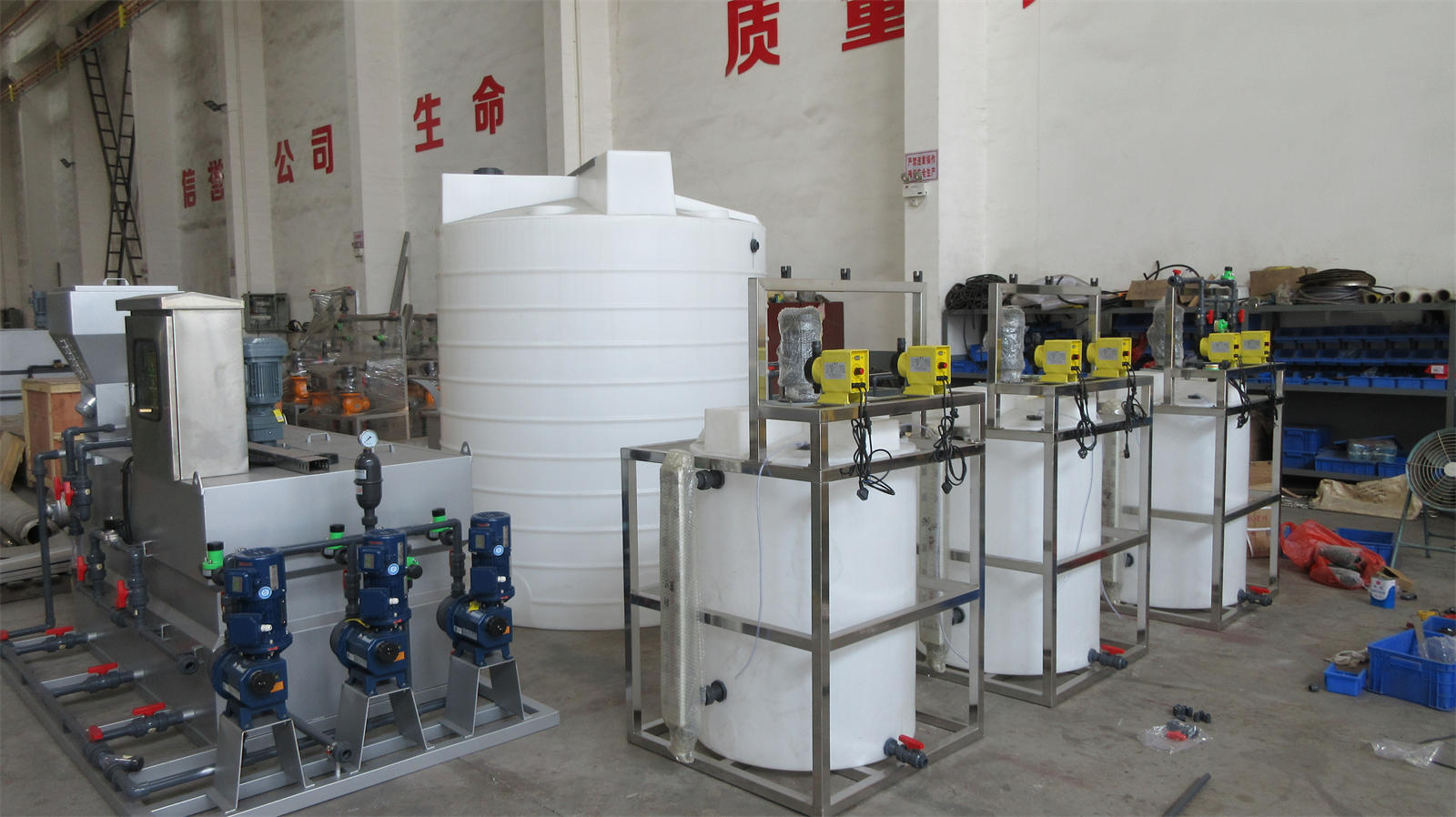
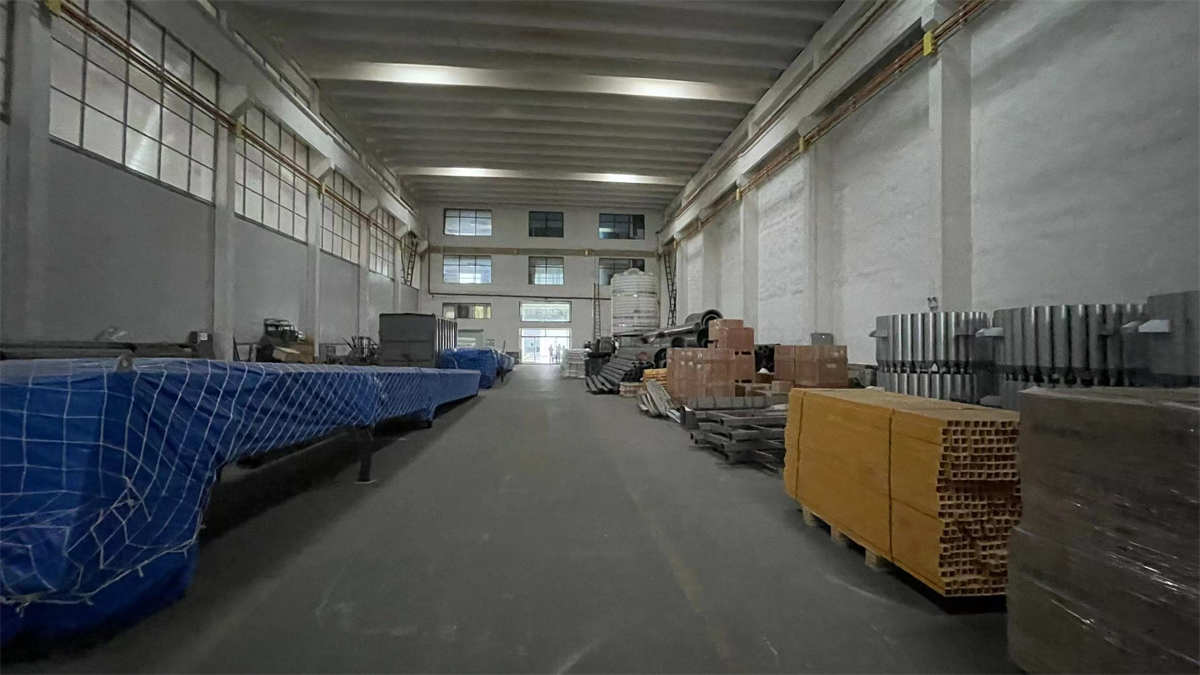
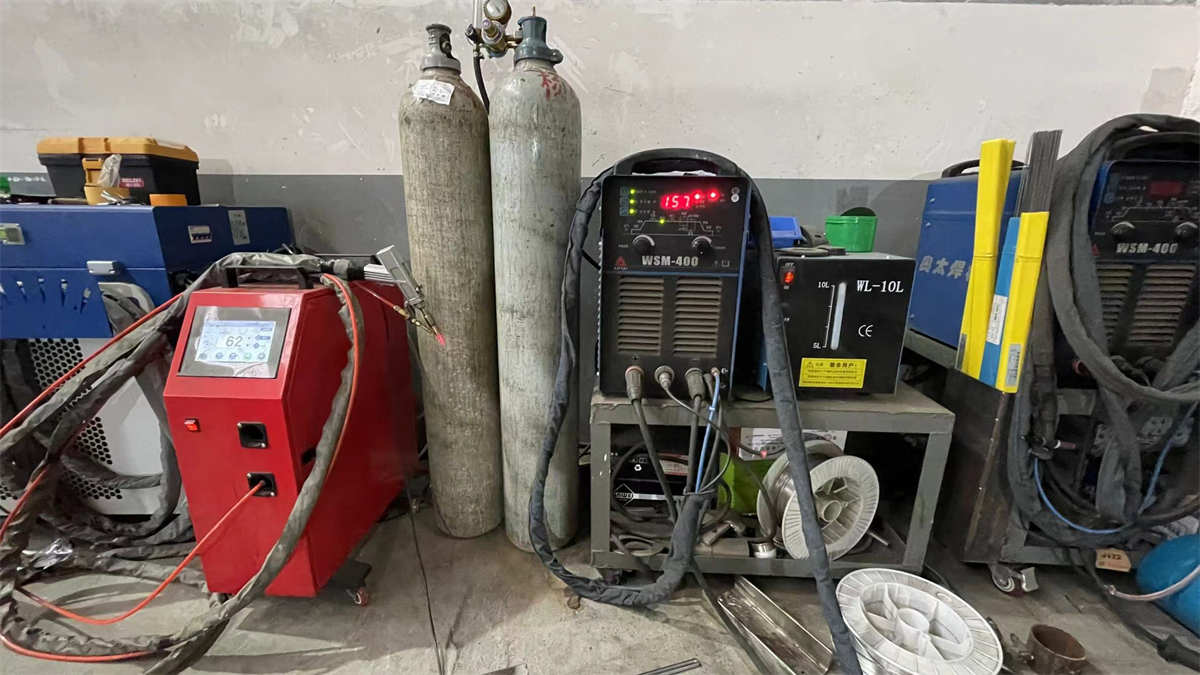
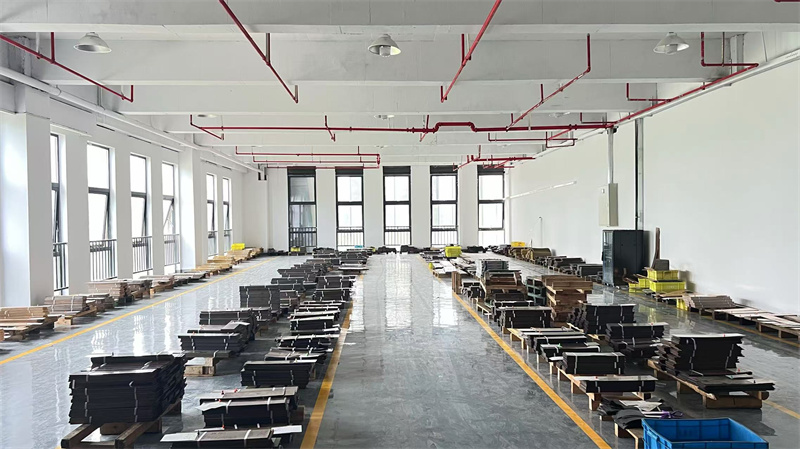
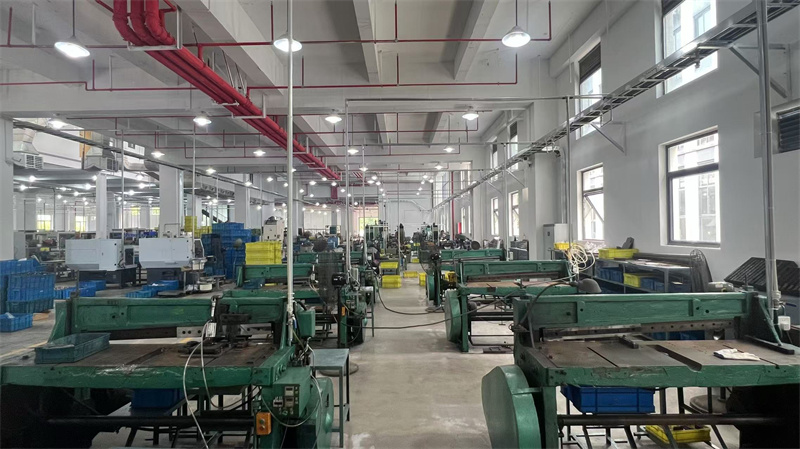
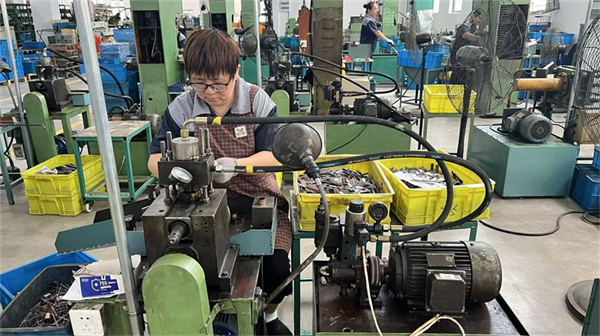
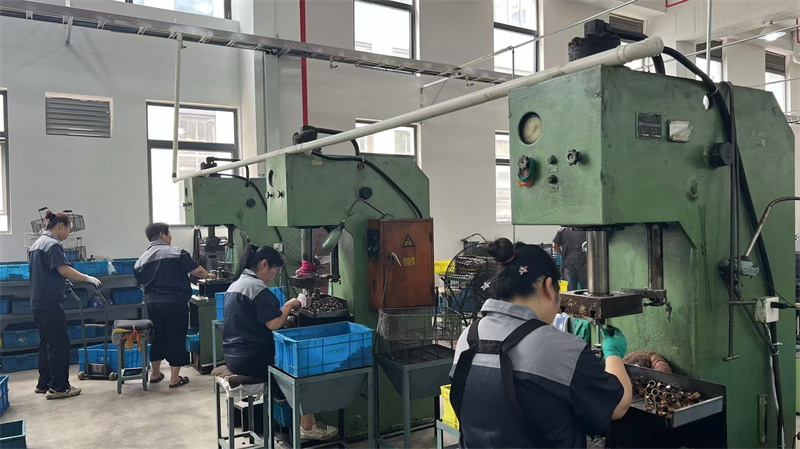
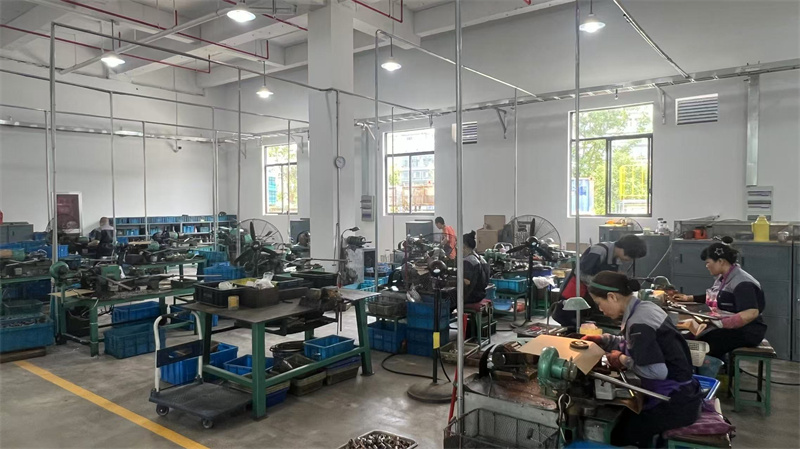
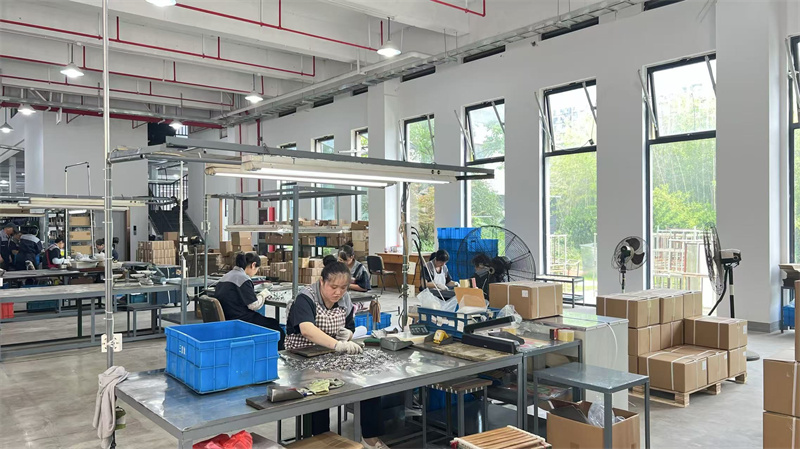
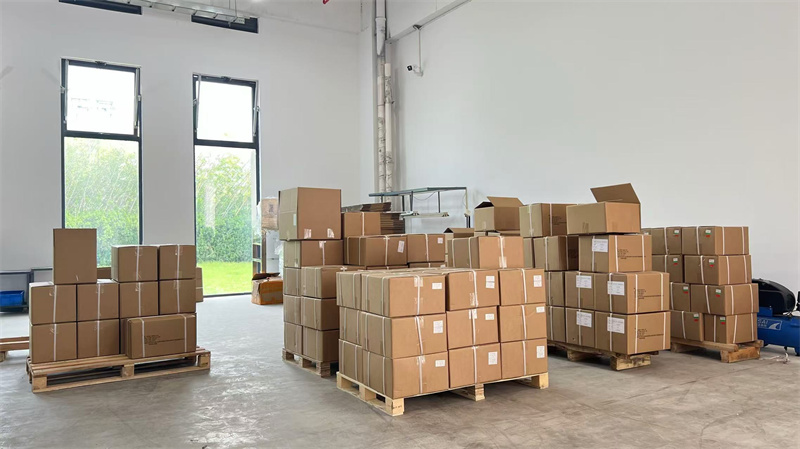
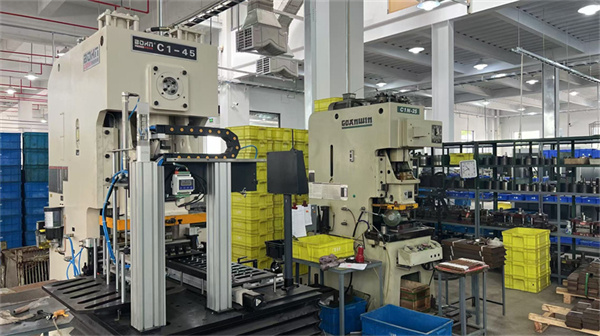
Changzhou Jovios Equipment Co., Ltd. is a professional manufacturer and solution provider specializing in solid-liquid separation and environmental protection equipment. Located in Changzhou National High-tech Industrial Development Zone, Jiangsu Province, China, the company operates a modern manufacturing base covering more than 50,000 square meters, equipped with advanced production facilities and a comprehensive quality inspection center.
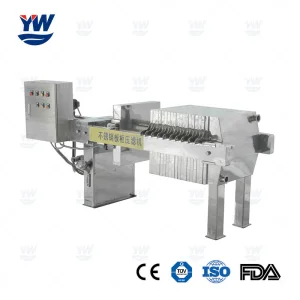
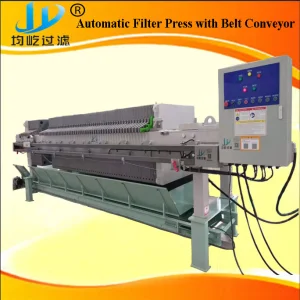
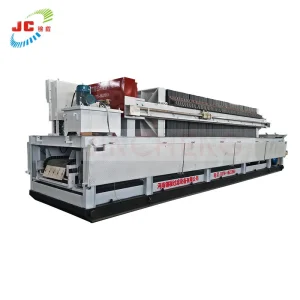
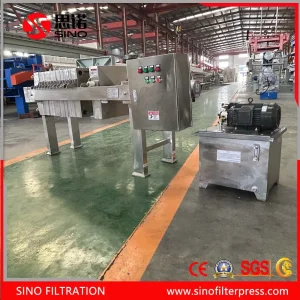
Jovios independently designs, develops, and manufactures a complete range of filtration and separation equipment, including plate and frame filter presses, membrane filter presses, automatic filter presses, intelligent filtration systems, as well as high-performance filter plates and filter cloths. With an annual production capacity exceeding 1,000 units, our products are widely applied in municipal wastewater treatment, chemical processing, petroleum, mining, metallurgy, pharmaceuticals, food and beverage production, paper manufacturing, textile dyeing, ceramics, building materials, and many other industries.
In addition to filtration equipment, Jovios provides complete wastewater treatment solutions and engineering services. From process design and equipment selection to installation, commissioning, and operational support, we deliver turnkey wastewater treatment systems for both municipal and industrial customers worldwide.
Our experienced research and development team consists of more than 30 senior engineers and technical specialists. Through close cooperation with universities, research institutes, and industry partners, we continuously integrate innovative technologies into product development, ensuring reliable performance, higher efficiency, and sustainable operation.
Supported by a global sales and service network, Jovios offers comprehensive technical support throughout the entire project lifecycle. From initial consultation and system design to installation, training, and after-sales service, we are committed to providing responsive and professional support wherever our customers operate.
At Jovios, we are dedicated to delivering efficient, energy-saving, and environmentally responsible separation solutions for industrial customers worldwide. Through continuous innovation and customer-focused engineering, we help businesses improve productivity, reduce operating costs, and achieve sustainable growth.
Evaluating standardizations required for international installation and cross-border operations.
Industrial machinery deployed across regions must strictly adhere to native environmental regulations and mechanical codes. For instance, equipment shipped to the European Union must bear the CE marking and satisfy Machinery Directive 2006/42/EC. In North America, structural components are governed by ASME boiler and pressure vessel codes, while electrical panels require UL/CSA certifications to guarantee worker safety during high-voltage operations.
Furthermore, wastewater discharge standards (such as EPA guidelines in the USA and the Water Framework Directive in Europe) necessitate accurate process validation. Choosing suppliers with dedicated pilot testing laboratories and custom fabrication capabilities ensures the delivered system matches the target slurry characteristics exactly, preventing costly compliance failures during plant operations.
Answering high-intent questions regarding solid-liquid separation and hardware selection.
Engineered for seamless integration, durability, and high throughput across global processing sites.
 Jovios Equipment