Explore our top-tier components and complete filter press units engineered for extreme temperatures, highly corrosive chemical processes, and automated mining operations.
An analytical overview of procurement trends, capital expenditure optimization, and macro-industrial solutions powered by high-performance horizontal solid-liquid separation equipment.
Across modern chemical, municipal, and mineral processing sectors, solid-liquid separation is no longer just a recovery process; it is a regulatory bottleneck. Global energy transitions and strict environmental mandates, such as the EU Zero Pollution Action Plan and EPA regulations in North America, have accelerated the demand for high-efficiency horizontal filters and membrane filter presses. Procurement teams now evaluate equipment based on Total Cost of Ownership (TCO), which factors in dry cake moisture percentages, energy consumption per squeeze cycle, and fabric/plate life expectancy.
Purchasing directors prioritize horizontal filter designs that leverage high-density virgin polypropylene (PP) or cast iron components capable of enduring chemical corrosiveness (pH ranges of 1-14) and extreme temperatures. Our global manufacturing network provides customized solutions directly designed to meet these variables, reducing the cake moisture content by up to 15-20% compared to traditional belt filters.
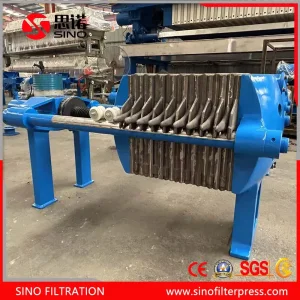
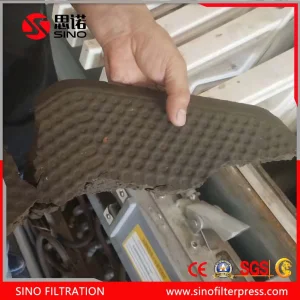
Industrial performance is fundamentally governed by hydraulic squeeze pressure. While traditional chamber plate filters operate between 6 to 8 bar, advanced automatic membrane filter presses apply secondary squeezing pressures up to 16 to 25 bar. This high pressure forces capillary water out of the filter cake, minimizing energy consumption in subsequent thermal drying phases.
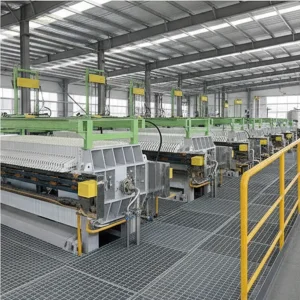
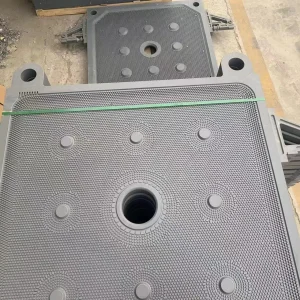
High-volume mineral concentration requires systems that manage aggressive abrasion and fast filtration speeds. Custom plate sizes, such as 1500mm to 2000mm recessed chamber plate structures, are vital for efficient dry-stacking tailing operations. The integration of semi-automated cloth-washing systems ensures minimal cake release times, eliminating manual maintenance and ensuring round-the-clock throughput.
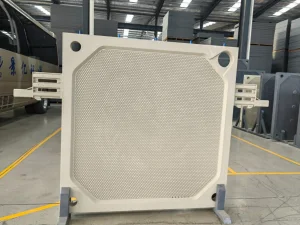
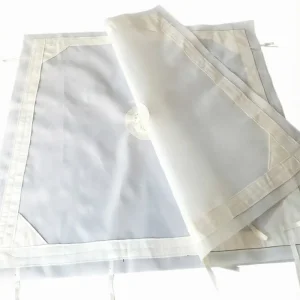
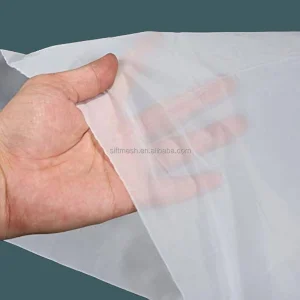
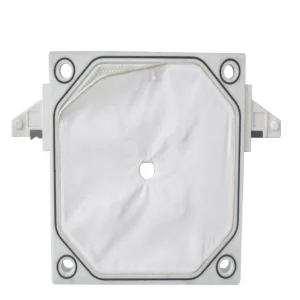
Filtration under high chemical aggressiveness requires absolute structural stability. Using acid and alkali-resistant polypropylene filter fabrics paired with EPDM recessed plates guarantees consistent sealing integrity. EPDM offers excellent resistance against ozone, weathering, and chemicals, mitigating leakage and volatile gas emissions in critical chemical process environments.
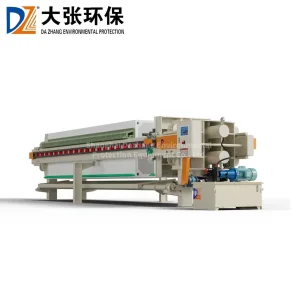
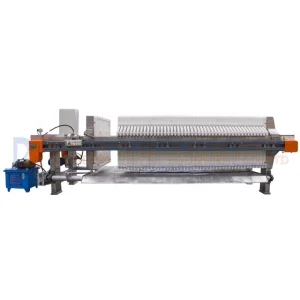
Managing variable feed compositions in municipal waste treatment plants demands flexible equipment configurations. Automatic membrane filter presses allow for variable volume processing by feeding slurry, pressing, washing the cake, and using secondary air blowdowns. This versatility produces clear filtrate suitable for reuse and dry solid cakes that easily meet disposal and landfill parameters.
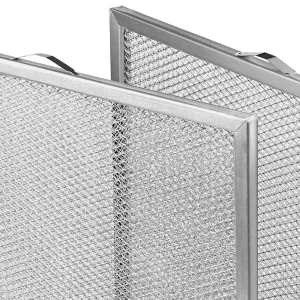
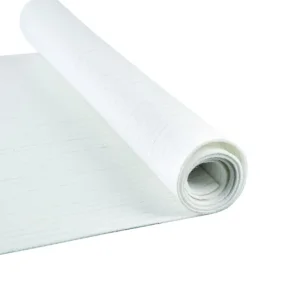
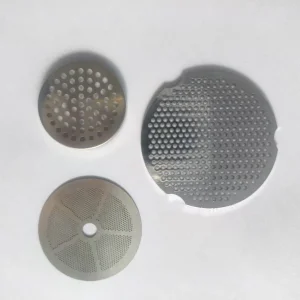
Ensuring sanitary processes is critical. Utilizing food-grade materials like PA66 nylon filter fabrics (120 to 200 microns) or precision chemical-etched stainless steel filter disks ensures no fiber migration into the filtrate, matching clean-in-place (CIP) protocols and FDA food compliance standards.
A world-class engineering and manufacturing base specialized in premium solid-liquid separation technologies.
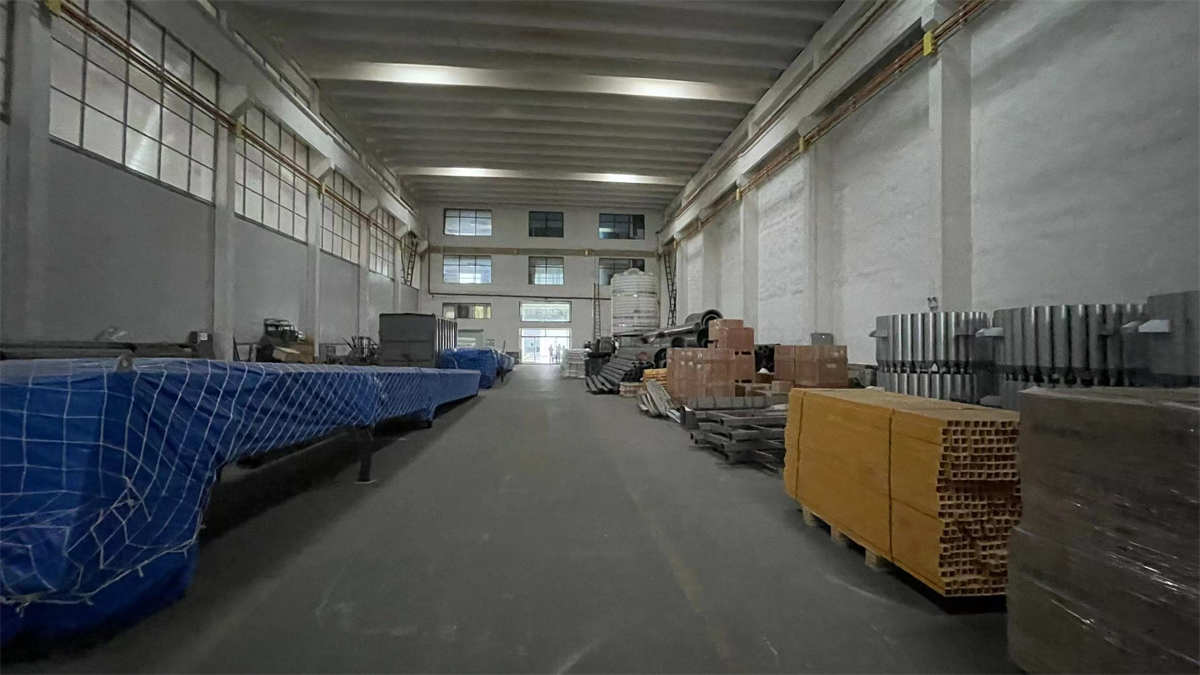
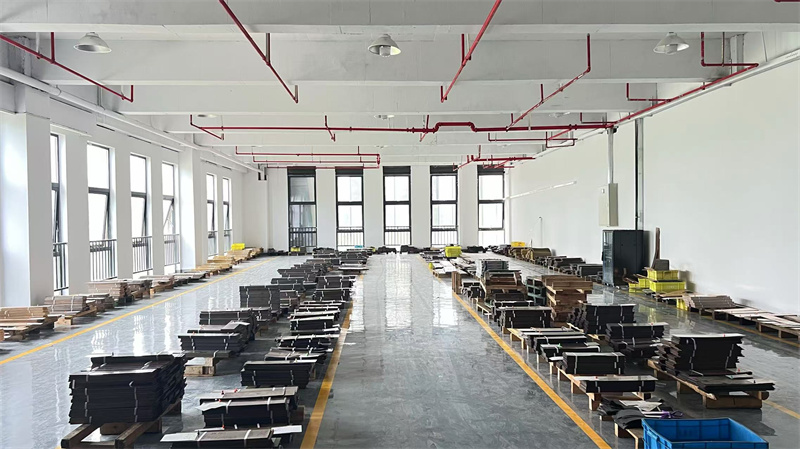
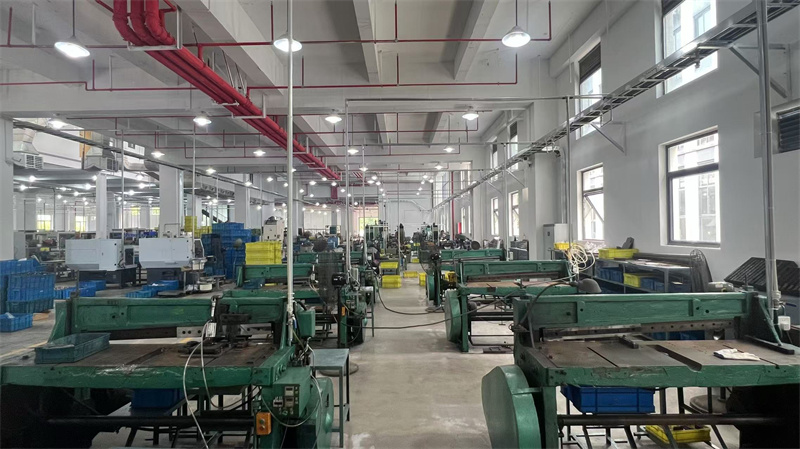
Changzhou Jovios Equipment Co., Ltd. is a professional manufacturer and solution provider specializing in solid-liquid separation and environmental protection equipment. Located in Changzhou National High-tech Industrial Development Zone, Jiangsu Province, China, the company operates a modern manufacturing base covering more than 50,000 square meters, equipped with advanced production facilities and a comprehensive quality inspection center.
Jovios independently designs, develops, and manufactures a complete range of filtration and separation equipment, including plate and frame filter presses, membrane filter presses, automatic filter presses, intelligent filtration systems, as well as high-performance filter plates and filter cloths. With an annual production capacity exceeding 1,000 units, our products are widely applied in municipal wastewater treatment, chemical processing, petroleum, mining, metallurgy, pharmaceuticals, food and beverage production, paper manufacturing, textile dyeing, ceramics, building materials, and many other industries.
In addition to filtration equipment, Jovios provides complete wastewater treatment solutions and engineering services. From process design and equipment selection to installation, commissioning, and operational support, we deliver turnkey wastewater treatment systems for both municipal and industrial customers worldwide.
Our experienced research and development team consists of more than 30 senior engineers and technical specialists. Through close cooperation with universities, research institutes, and industry partners, we continuously integrate innovative technologies into product development, ensuring reliable performance, higher efficiency, and sustainable operation.
Supported by a growing global sales and service network, Jovios offers comprehensive technical support throughout the entire project lifecycle. From initial consultation and system design to installation, training, and after-sales service, we are committed to providing responsive and professional support wherever our customers operate.
At Jovios, we are dedicated to delivering efficient, energy-saving, and environmentally responsible separation solutions for industrial customers worldwide. Through continuous innovation and customer-focused engineering, we help businesses improve productivity, reduce operating costs, and achieve sustainable growth.
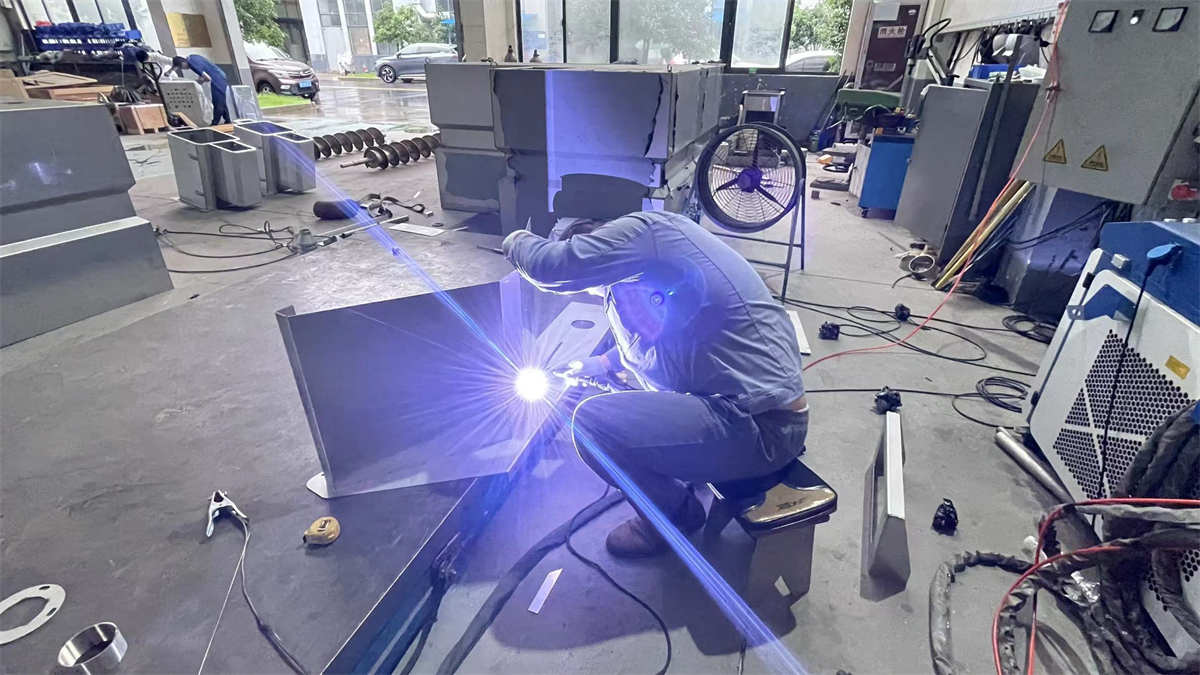
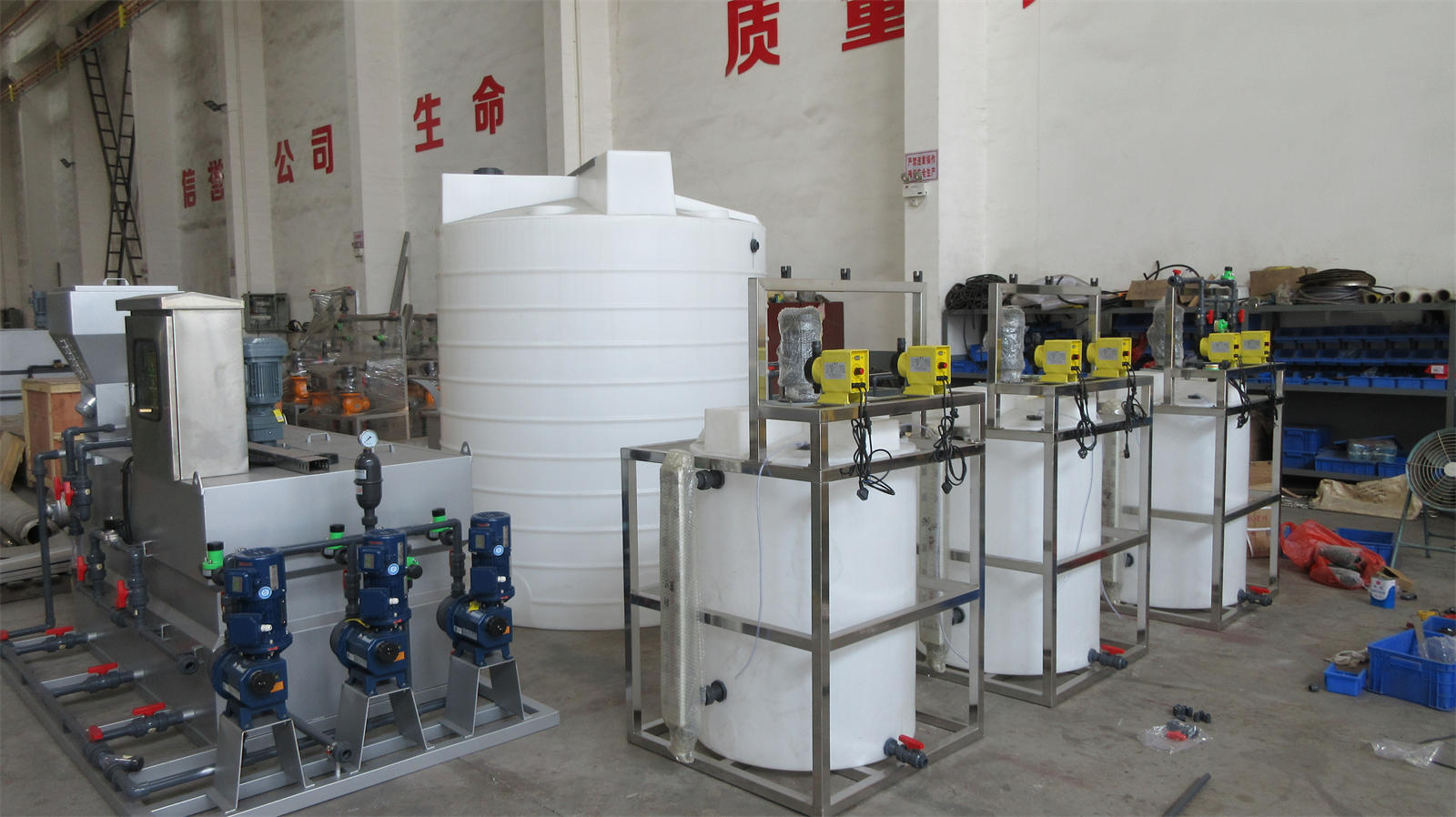
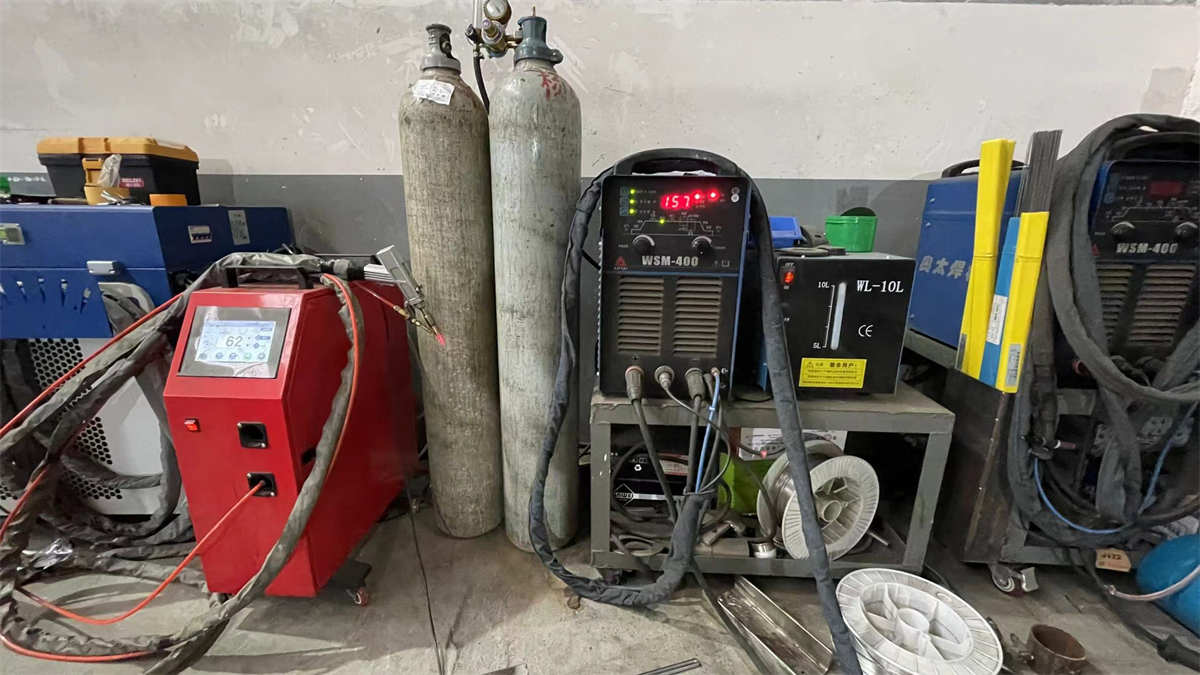
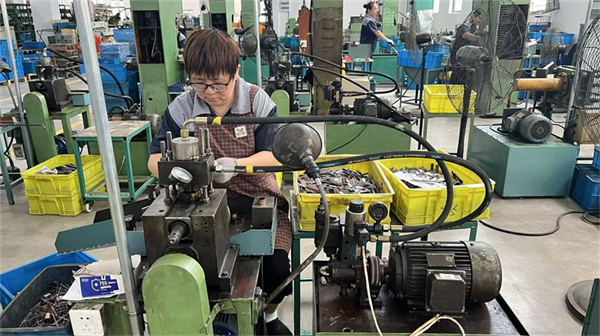
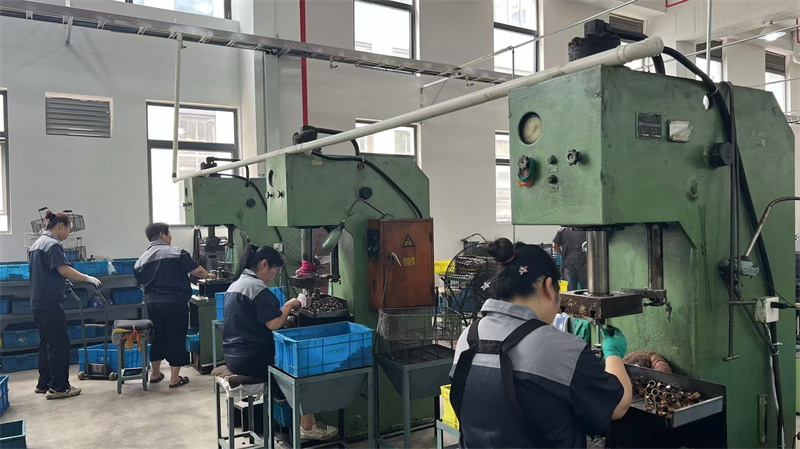
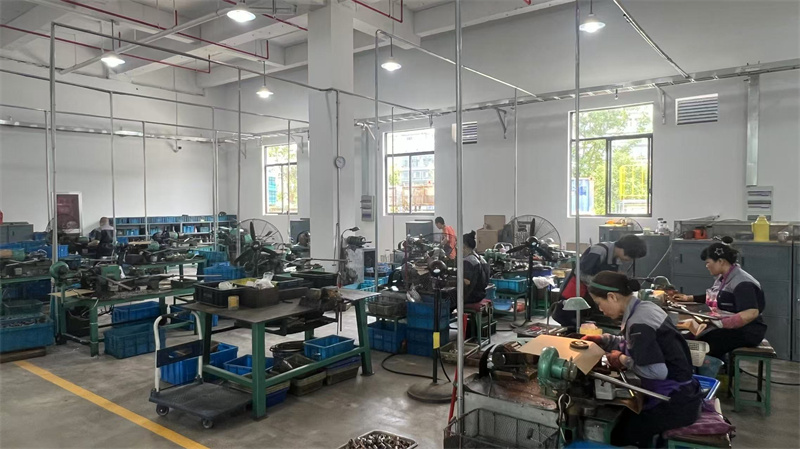
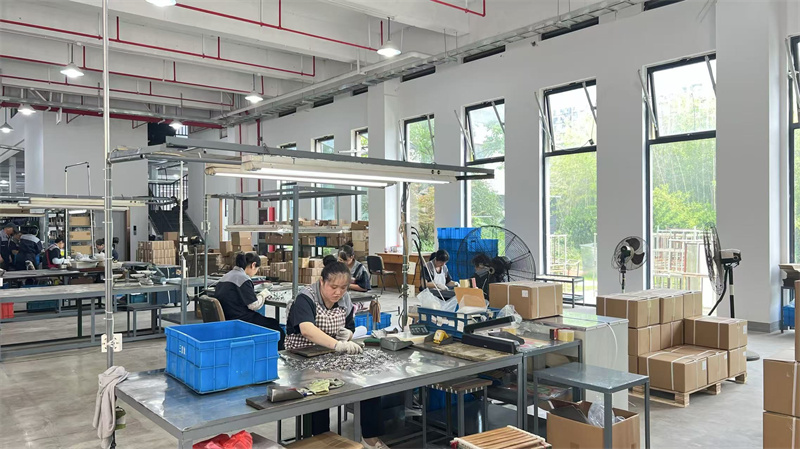
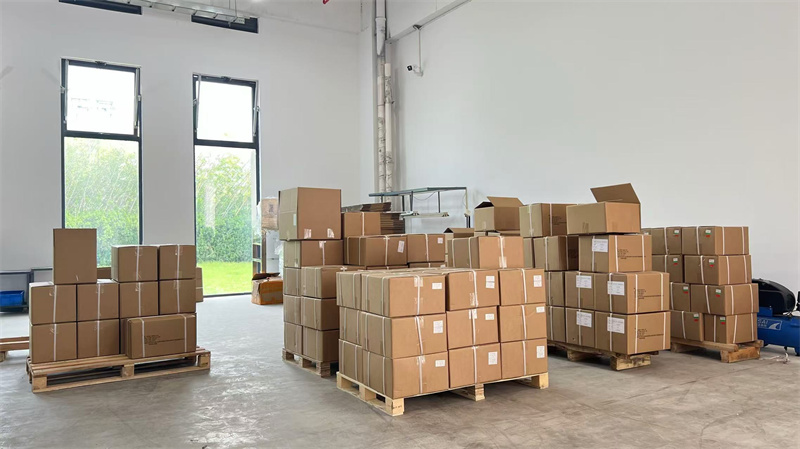
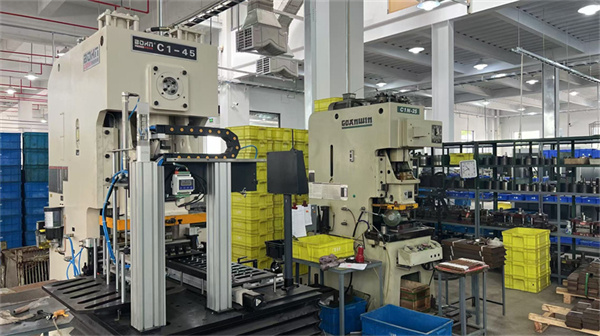
From raw material inspection to mechanical stress testing and final packing, see how we maintain high standards across all solid-liquid separation components.
How next-generation materials, IoT integration, and design efficiency shape the future of solid-liquid separation.
Developing specialized polymer blends is a core research area. Conventional polypropylene plates can deform under continuous thermal and hydraulic stress. To counter this, Jovios uses copolymerized polypropylene (PP) enriched with thermoplastic elastomers. This enhances resistance to thermal expansion and pressure cycling. EPDM-molded plates provide a flexible sealing edge, preventing slurry blow-out and maintaining pressure during filtration cycles.
Our upcoming generation of horizontal filters features smart monitoring modules. Sensors track hydraulic clamp pressure, filtrate clarity, and feed pipe back-pressure in real time. This data feeds into a central PLC system, optimizing cycle times and signaling the automatic plate shifters or cloth-washing systems when maintenance is needed. By automating cake release and cleaning cycles, plants can operate continuously, minimizing downtime and improving overall safety.
Compliance is essential for global procurement. Jovios filters conform to ISO 9001 quality systems and CE machinery standards. For sanitary applications, our polypropylene plates and nylon/polyester media are manufactured under FDA-compliant processes, ensuring suitability for food and pharmaceutical sectors. In heavy-duty industries, our load-bearing steel frames are fabricated and tested according to rigorous structural standards, guaranteeing safe operation under pressure.
Find expert answers to common engineering questions regarding horizontal filter presses, plate media, and process optimizations.
A recessed chamber press relies solely on the feed pump's pressure to form and dry the cake, which can result in wet cake centers. A membrane filter press features flexible membranes on the plates. After the initial slurry feed, these membranes are inflated with air or water (up to 16-25 bar), squeezing the cake to extract additional capillary liquid. This shortens cycle times and produces a much drier filter cake.
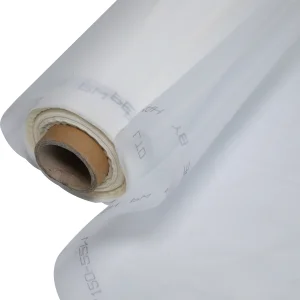
Polypropylene (PP) filter cloth is highly resistant to both acids and alkalis, making it ideal for pH ranges of 1-14, though its temperature limit is around 90°C. Polyester (PET) offers excellent resistance to strong acids and higher temperatures (up to 130°C) but degrades in strong alkaline environments. Nylon (PA66) provides excellent wear resistance and performs well in alkaline applications, but is susceptible to acid degradation.
EPDM (Ethylene Propylene Diene Monomer) provides outstanding resistance to polar solvents, hot water, steam, ketones, and dilute acids or bases. When molded into recessed plates, EPDM's flexibility ensures tight sealing during high-pressure cycles, preventing leakage and maintaining structural integrity across varying temperatures.
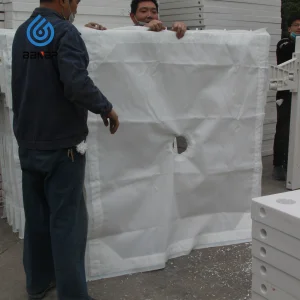
Over time, fine particulates can blind the pores of the filter cloth, reducing filtration rates and increasing cycle times. Manual washing requires shutting down the press and removing plates, which is labor-intensive. An automated washing system uses high-pressure water spray bars to clean the cloths in place, restoring porosity, extending cloth lifespan, and keeping cycle times consistent.
From complete automatic program-controlled filter presses to specialty filter fabrics, explore our comprehensive range designed for reliable operation.
 Jovios Equipment