Why Does Filter Cloth Shrink After Washing Solutions Explained

Time:2026-08-09 Author:Mason
0%

Filter cloth is an essential material in various industrial applications, but users often encounter unexpected issues after washing. One major concern is, "why does filter cloth shrink after washing?" This question raises important points about the fabric's composition and care methods. Understanding these factors is critical for maintaining the integrity of the filter cloth and ensuring its efficiency.

Fabric shrinkage can result from several reasons. Heat, moisture, and agitation during washing often lead to unintended changes in the material. Some filter cloths, especially those made from synthetic fibers, may react differently to washing than natural fibers. This variance can surprise users who might not expect shrinkage. Poor washing techniques and harsh detergents can exacerbate the problem, leading to further complications.

Furthermore, choosing the right filter cloth requires understanding its characteristics. Knowing how to wash and care for it can prevent issues like shrinkage. Awareness of the potential for shrinkage can also spur users to seek better solutions. Reflecting on these aspects can ultimately enhance the longevity and performance of filter cloth in practical applications.
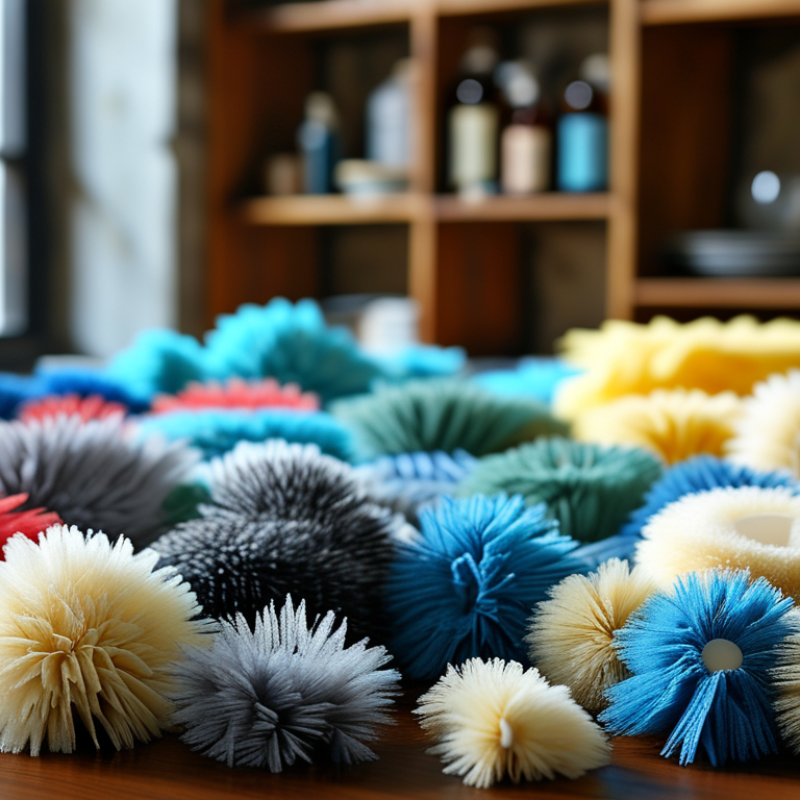
Why Does Filter Cloth Shrink After Washing Solutions Explained

Why Filter Cloth Shrinks: Understanding Fiber Characteristics

Filter cloths are commonly used in various industries, but many users encounter shrinking issues after washing. Understanding the characteristics of the fibers used in filter cloths can shed light on this problem. Natural fibers, like cotton, tend to absorb moisture and swell. When they dry, they can contract significantly, leading to shrinkage.

Synthetic fibers, such as polyester, react differently. They may withstand washing better but can also deform under extreme temperatures. Each fiber type has unique properties that affect its durability and behavior during washing. Frequent washing at high temperatures may cause long-term damage, making the cloth less effective.

Taking care of filter cloths is essential. Follow recommended washing temperatures and avoid harsh detergents. Regular inspection can prevent unexpected issues. Users must acknowledge that personal care practices influence the longevity and performance of filter cloths. The balance between maintenance and operational efficiency requires ongoing reflection and adjustment.

Impact of Temperature and Washing Cycles on Filter Cloth Integrity

Washing filter cloth is common in various industries, but improper care often leads to issues. Temperature plays a crucial role in the shrinking of filter cloth. Studies indicate that temperatures exceeding 60°C can cause significant deformation. At these elevated levels, synthetic fibers may soften, leading to a compromised structure.

Washing cycles also impact cloth integrity. Data suggests that repeated washes can reduce the lifespan of filter cloth by up to 30%. Each cycle may stress the fabric, leading to a gradual decrease in performance. For instance, excessive agitation in washing machines might fray edges or loosen seams, increasing the likelihood of tears.

Regular inspections are vital. Checking for signs of wear can help identify problems early. This allows for timely interventions before performance is severely impacted. It is essential to balance effective cleaning with the proper care methods to maintain filter cloth longevity. Failing to do so can create more challenges in the filtration process, ultimately affecting operational efficiency.

Impact of Temperature and Washing Cycles on Filter Cloth Shrinkage

This bar chart illustrates the percentage of shrinkage experienced by filter cloth under varying washing temperatures and cycles. Higher temperatures and increased washing cycles tend to result in greater shrinkage, impacting the integrity of the filter cloth.

Chemical Reactions in Detergents Leading to Fiber Shrinkage

When it comes to washing filter cloth, people often wonder why it shrinks. The answer lies in the chemical reactions that happen during the wash cycle. Detergents are formulated with various chemicals that interact with the fibers of the cloth. For example, surfactants in the detergent can cause the fibers to loosen and change shape, especially when exposed to heat.

Heat and moisture create an environment where these chemical reactions can thrive. The shrinkage occurs as the fibers react to washing temperatures and moisture levels. Natural fibers, like cotton, absorb water more significantly, leading to more noticeable shrinkage. Sometimes, users may not follow the recommended washing instructions, which exacerbates the issue.

Not all filter cloths respond the same way after washing. Some may shrink more than others due to different fiber compositions. It's essential to be mindful of how you care for the cloth. Oversights during washing can lead to a longer-lasting impact on the filter cloth's effectiveness. Understanding these reactions can help improve care routines.

Recommendations for Care: Best Practices to Maintain Filter Cloth

To maintain the longevity of filter cloth, proper care is essential. Research suggests that improper washing can lead to a significant shrinkage of up to 15% to 20%. This is especially true for fabrics composed of synthetic fibers, which are sensitive to heat and agitation. Washing temperatures exceeding 60 degrees Celsius can severely compromise the integrity of the cloth. Using mild detergents, rather than strong chemical cleaners, can help preserve the fibers.

Another vital practice is avoiding tumble drying. Air drying is recommended to prevent further shrinkage. Studies show that high spin cycles in laundries can distort the fabric structure, leading to performance issues. It may feel tedious, but setting aside time for gentle hand washing can pay off. Utilizing a mesh bag during wash cycles can also shield the filter cloth from abrasive elements.

Regular inspections after every wash can help identify wear and tear early. Small tears or frays can reduce effectiveness, impacting filtration efficiency. Experts advise keeping a log of washing conditions and outcomes to refine best practices over time. Each detail counts in ensuring that filter cloth remains functional for its intended use. The goal is to maintain reliability and performance through mindful care.

Industry Standards and Test Methods for Shrinkage Assessment

When assessing the shrinkage of filter cloth, various industry standards play a crucial role. The AATCC (American Association of Textile Chemists and Colorists) offers methods specifically for measuring the shrinkage of textiles. According to AATCC Test Method 135, careful washing procedures reveal that many filter cloth materials can shrink up to 10% after several washes. This is particularly significant for applications where precision is paramount.

Data from the ASTM (American Society for Testing and Materials) emphasizes the importance of pre-shrinking materials. The ASTM D5034 standard suggests that testing should include washing samples in conditions that mimic real-world scenarios. Inadequate assessment might overlook critical factors, such as fabric composition and care instructions. Ignoring these aspects could yield misleading results.

Understanding shrinkage is not just about following standards. It's also about recognizing the variability found in different fabric types. Some cloths may resist shrinkage better than others. Reports show that synthetic fibers often perform better than natural fibers in this respect. This unpredictability requires continuous testing and evaluation in the industry to ensure reliability in performance.

Why Does Filter Cloth Shrink After Washing Solutions Explained - Industry Standards and Test Methods for Shrinkage Assessment

Test Method Material Type Initial Size (cm) Size After Washing (cm) Shrinkage (%)
AATCC 135 Polyester 50 49.5 1.0
ISO 5077 Cotton 55 54 1.82
AATCC 150 Nylon 48 47.6 0.83
ASTM D shrinking Acrylic 52 51 1.92

FAQS

: Why do filter cloths shrink after washing?

: Shrinkage occurs due to fiber characteristics, especially in natural fibers like cotton that absorb moisture and contract when dried.

How do synthetic fibers behave during washing?

Synthetic fibers can withstand washing better but may deform under high temperatures. They have unique properties affecting durability.

What role do detergents play in filter cloth shrinkage?

Certain chemicals in detergents interact with fibers, causing them to loosen and reshape, especially in heat and moisture.

What happens if I wash filter cloths at high temperatures?

Washing at temperatures over 60 degrees Celsius can significantly compromise the cloth's integrity, leading to shrinkage and damage.

Is it better to tumble dry or air dry filter cloths?

Air drying is recommended. Tumble drying can lead to further shrinkage and distort fabric structure, affecting performance.

How do I ensure the longevity of my filter cloth?

Regular inspections and gentle hand washing can maintain the cloth. Using mild detergents and a mesh bag offers protection.

Can improper washing practices have lasting effects?

Yes, oversights during washing can lead to significant performance issues and long-term damage to the filter cloth.

How often should I check my filter cloth?

Regular inspections after each wash help identify wear and tear early, ensuring ongoing functionality and effectiveness.

What are the risks of using harsh detergents?

Harsh detergents can damage fibers, leading to increased shrinkage and reduced filtration effectiveness over time.

Should I track my washing practices?

Keeping a log of washing conditions can help refine care routines, boosting the reliability and performance of your filter cloth.

Conclusion

The article "Why Does Filter Cloth Shrink After Washing: Solutions Explained" delves into the various factors contributing to the shrinkage of filter cloths. It begins by examining fiber characteristics, which play a crucial role in how materials respond to washing. The impact of temperature and the number of washing cycles are also discussed, highlighting how excessive heat can compromise the integrity of the cloth. Furthermore, the article explains the chemical reactions that can occur with detergents, leading to unwanted fiber shrinkage.

To help users maintain their filter cloths effectively, the article provides recommendations for proper care, stressing best practices to prevent shrinkage. It also outlines industry standards and test methods for assessing shrinkage, enlightening readers on what to look for in quality filter cloth materials. Understanding "why does filter cloth shrink after washing" empowers users to take preventive measures to extend the life of their washing materials.

Mason

Mason

Mason is a seasoned marketing professional with a deep expertise in the company's offerings and a passion for driving brand awareness. With a strong background in digital marketing strategies, he has an innate ability to connect with diverse audiences and effectively communicate product benefits.......