Operating a filter press can present various safety challenges. Understanding what are the safety hazards of operating a filter press is crucial for ensuring a safe work environment. This equipment plays a significant role in industries like wastewater treatment and mineral processing. However, it can also expose workers to various risks if not managed properly.
Common hazards include mechanical failures and electrical issues. Operators may encounter high-pressure systems that can lead to equipment rupture. Improper handling of chemicals can pose serious health risks. Inadequate training can heighten these dangers. Therefore, it is essential to assess and mitigate risks effectively.
It is easy to overlook maintenance in the rush to meet production goals. Neglecting regular inspections can lead to accidents. Workers must stay vigilant and adhere to safety protocols consistently. Striking the right balance between efficiency and safety is a continual challenge. Addressing these hazards is not merely a regulatory requirement; it is a vital aspect of workplace responsibility.
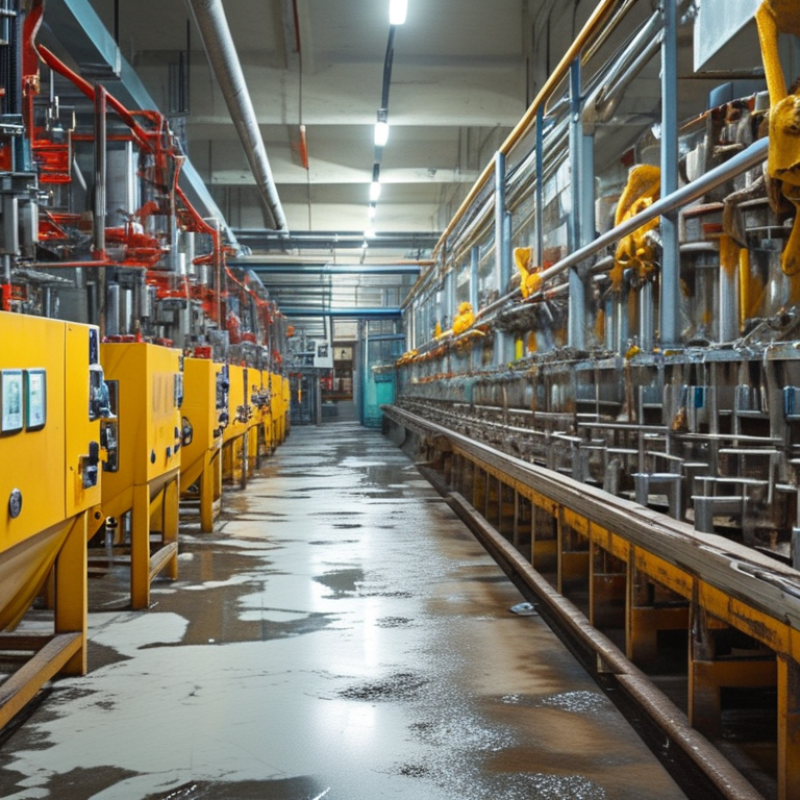
Operating a filter press poses several safety hazards that workers must be aware of. One common risk is the pressure build-up that occurs during filtration. If not monitored, this can lead to equipment failure or even injury. Maintenance tasks often involve cleaning or replacing components, which can expose workers to sharp edges and heavy loads. Proper training is essential to mitigate these risks.
Regular inspection of safety features is crucial. Ensure that all protective guards are in place. Maintenance logs should be kept up to date to ensure compliance with safety protocols. Identify potential hazards in your work area. A clear understanding of emergency procedures can prevent accidents.
Another significant concern is chemical exposure. Workers may handle hazardous materials during the filtration process. Use proper personal protective equipment (PPE) such as gloves and masks. Train employees on the risks associated with chemicals used in conjunction with filter presses. Create a safety-first culture that encourages reporting unsafe behaviors or situations. Ensure that safety data sheets are accessible.
Operating a filter press involves various mechanical risks, particularly related to pressure and potential failures. Understanding these factors is essential for ensuring worker safety and efficient operation. The pressurized environment can lead to sudden failures, which may result in injuries or equipment damage. Regular maintenance and immediate attention to any unusual sounds or leaks are vital.
When working with filter presses, always monitor pressure levels closely. Use pressure gauges and alarms to help detect anomalies before they escalate. Keep a checklist of regular maintenance tasks to ensure all components function properly. Fulfilling these simple practices can help mitigate risks significantly.
Educate your team about potential hazards. They should know the signs of malfunction and understand the importance of compliance with safety protocols. Encourage open communication about safety concerns. Even trivial observations may indicate larger problems. A culture of safety leads to better outcomes for everyone involved.
Operating a filter press comes with distinct safety challenges, especially concerning chemical exposure risks. Workers may encounter harmful substances that can cause skin irritation or respiratory issues. Awareness and education about these chemicals are vital for ensuring a safe work environment. Always check safety data sheets for chemical properties and potential hazards before starting operations.
To reduce exposure, implement proper ventilation systems. Use personal protective equipment, such as gloves and masks. Regularly inspect equipment for leaks or defects. Establish clear protocols for handling spills. Training workers on emergency procedures can also mitigate risks.
Monitoring air quality should be part of daily routines. Use vapor detectors in enclosed spaces. Encourage workers to report any signs of chemical exposure immediately. Regular health screenings can also help identify potential long-term effects. These practices can significantly enhance safety while operating a filter press.
This bar chart represents the top 10 safety hazards associated with the operation of filter presses, rated on a scale of 1 to 10. The highest risk is from chemical exposure, which is crucial to be aware of during operations.
Operating a filter press involves multiple safety hazards that require proactive measures. Workers must follow specific procedures to reduce risks. Proper training sessions are essential. Employees should know how to handle the equipment safely. Understanding the press's mechanics can prevent accidents. Regular safety drills can reinforce this knowledge.
Maintaining the filter press is crucial for safety. Operators should inspect the equipment daily. Check for leaks, wear, and tear regularly. Ensure that safety guards are in position. A routine maintenance log is a good practice. It creates accountability among staff. Equipment that is well-maintained operates more safely. Ignoring these details can lead to serious incidents.
Wearing appropriate personal protective equipment (PPE) cannot be overlooked. Gloves, goggles, and helmets protect workers from injury. Supervisors must ensure that all personnel adhere to PPE guidelines. Regular reminders about safety protocols can keep staff alert. This culture of safety will encourage diligence among workers. Reflection on past incidents can lead to improved safety measures in the future.
Operating a filter press involves various safety hazards, making it vital to prioritize personal protective equipment (PPE). Workers should wear appropriate PPE to mitigate risks associated with handling chemicals and heavy machinery. This includes using gloves, goggles, and protective clothing to prevent skin irritation and eye injuries.
When selecting PPE, ensure it fits properly. Loose clothing can get caught in machinery, creating a serious risk. Sturdy boots can protect from heavy equipment or spills. Remember, not all PPE is created equal; use options designed specifically for the filter press environment.
Tips for enhancing safety include regular training on PPE usage. Workers should understand the importance of each piece of equipment they wear. Encourage a culture where employees feel comfortable reporting unsafe conditions. They should regularly inspect their gear to ensure effectiveness. Safety is not just about following rules; it's about fostering habits that prioritize well-being in every operation.
: Mechanical risks primarily relate to pressure and potential equipment failures.
Regular maintenance and monitoring pressure levels help mitigate risks effectively.
Pressure gauges and alarms can detect anomalies before they escalate.
Educating workers about hazards enhances safety and compliance with protocols.
Immediate attention is crucial to prevent injuries or equipment damage.
Use proper ventilation, protective equipment, and clear protocols for spills.
Always consult safety data sheets and report chemical exposure signs right away.
It helps identify harmful vapor levels and maintains a safe work environment.
Encouraging discussions about safety concerns can reveal larger issues.
Proper training ensures quick and effective responses to accidents.
The operation of a filter press involves several safety hazards that must be diligently managed to ensure a safe working environment. Key risks include mechanical failures due to excessive pressures, which can lead to equipment malfunctions, and the potential for chemical exposure from the materials being filtered. Understanding these risks is crucial in developing effective operational procedures to minimize hazards.
To address what are the safety hazards of operating a filter press, it is also essential to implement proper personal protective equipment (PPE) standards. Utilizing appropriate gear significantly reduces the likelihood of injury from chemical spills or mechanical accidents. By recognizing these hazards and adopting comprehensive safety practices, operators can mitigate risks and promote a safer workplace when using filter presses.

Jovios Equipment