In the pursuit of manufacturing excellence, the efficiency of filter press operations is crucial. According to a recent report by the Filtration Society, optimizing cycle time can improve productivity by up to 25%. This statistic highlights the importance of understanding how to reduce filter press cycle time. Industry expert, Dr. Emily Carter, states, “Every minute saved in cycle time directly impacts our bottom line."
Organizations often overlook the complexities involved in achieving optimal efficiency. Variability in feed materials, system design, and operational practices can extend cycle times unexpectedly. Therefore, a careful analysis of these factors is essential. Addressing these challenges can enable manufacturers to minimize downtime and enhance overall output.
However, some businesses may struggle to implement effective strategies. The journey towards improvement can be filled with trial and error. Yet, the stakes are high. Reducing filter press cycle time not only increases throughput but can also lead to significant cost savings. As industries evolve, re-evaluating existing processes becomes imperative for long-term success.
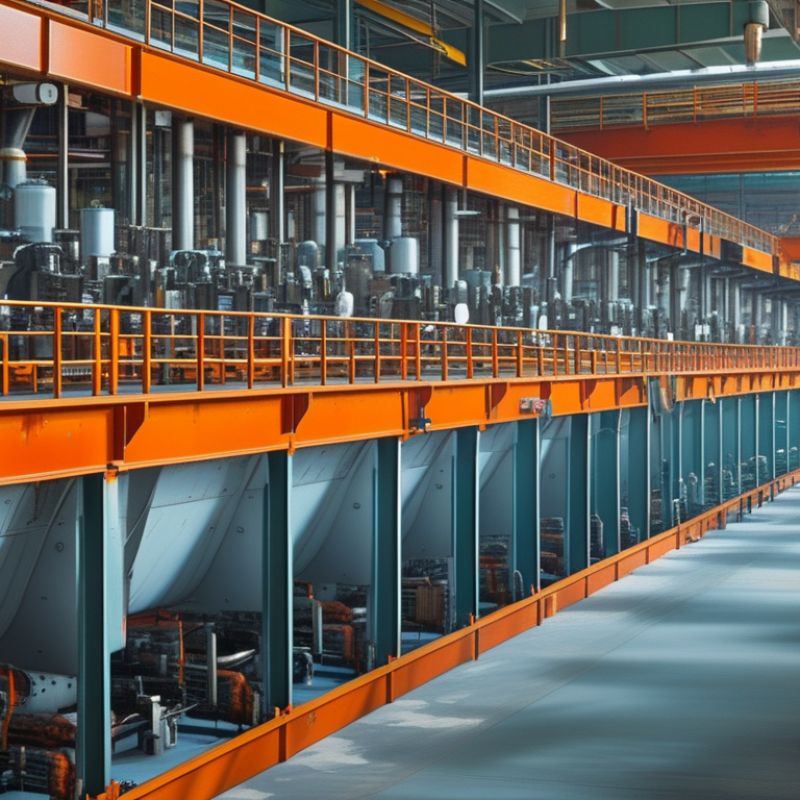
Analyzing current filter press cycle time efficiency requires a structured approach. The first step involves mapping the entire cycle. This includes filling, cake formation, and cake discharge. Each step must be timed accurately. Data from the International Journal of Chemical Engineering indicates even a 10% reduction in cycle time can boost productivity by 15%.
Another effective method is to pinpoint bottlenecks in the process. For example, if the cake discharge is slow, it can idle other operations. Research from the Filter Press Manufacturers Association emphasizes that optimizing this phase improves overall throughput significantly. Regular maintenance schedules also play a crucial role in minimizing unexpected downtime.
Monitoring the sludge characteristics is essential as well. Variability in sludge composition can influence the filtration rate. Inconsistent feed can lead to longer cycle times. A consistent particle size and solid concentration can drive more predictable results. As noted by experts, embracing a holistic view of the process can yield substantial efficiency gains, though it requires continual assessment and fine-tuning of practices.
When it comes to filter press performance, several key factors significantly influence cycle duration. The choice of filter media plays a crucial role. Different materials can affect filtration rates and solid cake formation. Choosing the right media requires careful consideration of both the slurry characteristics and operational parameters. Each type of media has unique properties that can either enhance or inhibit efficiency. Experimentation is often necessary to find the best fit.
Another factor to consider is feed consistency. Varying particle size and concentration can lead to fluctuations in cycle time. A more uniform feed stream generally improves performance. Monitoring feed quality can help detect issues early, ensuring smoother operation. Misjudgments here can cause delays, making it essential to maintain a tight control on feed parameters.
Finally, the role of operator expertise cannot be understated. Experience plays a vital role in optimizing filter press operations. Skilled operators can quickly troubleshoot problems or adjust parameters as needed. However, reliance on human judgment can lead to inconsistencies. Regular training and process reviews can help mitigate this. Improving these areas can lead to measurable reductions in cycle time, enhancing overall efficiency in filter press applications.
Optimizing filter press operation is crucial for minimizing downtime and maximizing efficiency. One effective technique is to regularly inspect and maintain the machine. Wear and tear can lead to unexpected shutdowns. Schedule routine checks for essential components like pumps and valves. This proactive approach can help identify potential issues before they escalate.
Another consideration is the operator's training. Well-trained staff can operate the filter press more efficiently. They can troubleshoot common problems swiftly and adjust the operating parameters effectively. Enhance training programs to include hands-on practice with the machinery. This will empower operators to react quickly to any situations.
Monitoring the filter cake's moisture content can also impact cycle time. Too much moisture can delay discharge and lengthen cycles. Adjusting the filtration parameters can lead to better results. Aim for an optimal balance to reduce moisture content without compromising the filtering process. Regularly evaluate the filtration rates to ensure continuous improvement.
Automation plays a crucial role in enhancing the speed of filter press operations. By integrating advanced technologies, facilities can significantly reduce cycle times. For instance, sensors can monitor pressure levels and adjust actions in real-time, ensuring optimal performance. This responsiveness can lead to faster processing and improved efficiency.
Investing in automated controls can help streamline filtration processes. Automated systems allow for consistent operations, minimizing human error. Setting up alerts for maintenance needs can prevent unexpected downtimes. A proactive approach ensures that the equipment always operates at peak performance.
Monitoring data is essential for optimizing operations. Evaluating throughput regularly will identify bottlenecks. Sometimes, smaller adjustments in the automation setup can lead to profound changes in efficiency. Reflecting on the effectiveness of the current setup may reveal opportunities for improvement that were previously overlooked.
Choosing the right filter media is crucial for reducing filter press cycle time and enhancing filtration efficiency. Filter media impacts flow rates, cake release, and overall system performance. Poor media selection can lead to longer cycle times, reduced cake dryness, and inefficient separation processes. According to industry reports, switching to higher permeability media can improve flow rates by as much as 30%. This increase can directly reduce cycle times, optimizing overall efficiency.
When selecting filter media, consider both the material and the pore size. Synthetic materials often offer better durability and filtration performance compared to traditional natural media. Smaller pore sizes can increase filtration quality but may also slow down the cycle. Balancing these factors is key. It’s important to test different media types to find the best fit for specific operations.
Filter press operators often overlook maintenance. Regular checks on media integrity help ensure optimal performance. A damaged filter medium can drastically increase cycle time. Keeping the media clean and well-maintained also extends its lifespan, which ultimately contributes to efficiency. Always stay updated on advancements in filter media technology to make informed choices.
: Automation significantly reduces cycle times by integrating advanced technologies. It allows real-time monitoring and adjustments for optimal performance.
Automated controls streamline filtration processes. They reduce human error and help maintain consistent operations, preventing unexpected downtimes.
Regular data evaluation helps identify bottlenecks in operations. It allows for small adjustments that can lead to improved efficiency.
The right filter media can reduce cycle time and improve filtration efficiency. Poor selection can lead to longer cycles and less effective separation.
Consider both material durability and pore size. Higher permeability media can enhance flow rates, while smaller pores improve filtration quality.
Regular checks on filter media integrity ensure optimal performance. Neglecting maintenance can increase cycle time and reduce overall efficiency.
They can result in longer cycle times and reduced dryness of the cake. This can significantly impair overall process efficiency.
Testing different media types and maintaining equipment are essential for finding the best fit and enhancing operations.
Advancements can provide better options for filtration, leading to improved efficiency and better performance in operations.
Many overlook regular maintenance of filter media, which is critical for maintaining optimal performance and reducing cycle times.
The article "How to Reduce Filter Press Cycle Time for Optimal Efficiency" delves into strategies for enhancing the performance of filter presses. It begins by analyzing current cycle time efficiency, identifying key factors that influence both performance and duration. By understanding the intricacies of filter press operations, operators can pinpoint areas for improvement.
Furthermore, the article discusses various optimization techniques aimed at minimizing downtime, such as routine maintenance and process adjustments. It emphasizes the role of automation in boosting operational speed, as well as the critical impact of filter media selection on cycle time and overall filtration efficiency. Implementing these strategies will effectively address how to reduce filter press cycle time, resulting in improved productivity and cost savings.

Jovios Equipment