Best 5 Tips on How to Size a Feed Pump for a Filter Press?

Time:2026-09-03 Author:Amelia
0%

When dealing with filter presses, the choice of a feed pump is crucial. Understanding how to size a feed pump for a filter press can significantly affect efficiency and performance. An accurately sized pump ensures optimal operation, preventing issues such as clogs and uneven feeding.

First, you need to analyze the specific requirements of your filter press. This includes considering the type of material being filtered and the desired throughput. The pump must handle the viscosity and flow rate of the slurry effectively. Incorrect sizing can lead to inefficiencies and potential equipment damage.

Moreover, factors such as head loss and pump speed should also be evaluated. A thorough assessment helps maintain reliability and performance. Keep in mind that this process may require trial and error. It's common to face challenges when determining the right specifications. Reflecting on previous experiences can aid in making better choices for future applications.
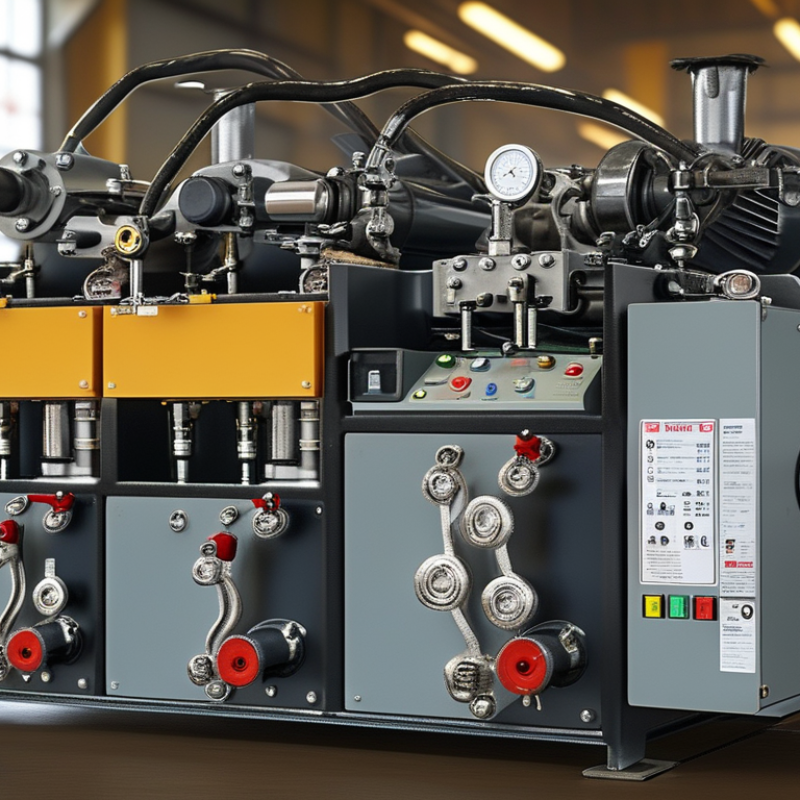
Best 5 Tips on How to Size a Feed Pump for a Filter Press?

Understanding the Role of Feed Pumps in Filter Press Operations

Feed pumps play a critical role in filter press operations. They are responsible for transporting slurry from a source to the filter press. A well-sized feed pump ensures optimal performance and efficiency. If the pump is too small, it may not provide enough pressure. On the other hand, an oversized pump can lead to excessive energy use. Understanding pump sizing is vital.

Proper selection relies on several factors. The viscosity of the slurry affects pump choice. Thicker slurries require more powerful pumps. Additionally, the distance from the feed source to the filter press matters. Longer distances can cause pressure losses. It's crucial to analyze these factors to avoid inefficiencies.

Another consideration is the pump’s material compatibility with the slurry. Certain chemicals and abrasives can damage the pump if not matched correctly. Lack of attention to this detail can lead to equipment failure. It’s essential to evaluate the type of materials being pumped. Reading manuals and consulting experts may help clarify doubts. Designing a system without a reliable pump can create challenges later.

Factors Influencing the Sizing of Feed Pumps for Filter Presses

Sizing a feed pump for a filter press is crucial for efficient operation. Various factors influence this sizing process. Firstly, the type of feed material plays a significant role. Its viscosity and solid content determine the pump’s capacity. According to industry reports, a higher solid concentration often requires a more robust pump design to handle the increased load.

Pumping capacity should also be aligned with the filter press's specific requirements. Opting for a pump with insufficient power can lead to operational delays. A study indicates that selecting the correct pump based on real-time data can enhance throughput by up to 30%. Monitoring flow rates during operation can provide insights into necessary adjustments, highlighting the importance of adaptability in pump sizing.

Understanding the system pressure is equally vital. High-pressure systems typically necessitate more advanced pump solutions. Insufficient pressure can result in poor filtration performance. It's crucial to implement regular maintenance checks, as wear and tear can shift your pump's operational efficiency. Adapting to system needs may require revisiting pump specifications every few months.

Calculating Required Flow Rate for Your Filter Press Application

Calculating the required flow rate for your filter press application is essential for maximizing efficiency. Proper sizing ensures a smooth operation. Begin by considering the nature of your slurry. The viscosity and solid concentration significantly affect the flow requirements. Gather all necessary data on your materials before proceeding.

When sizing a feed pump, estimate the flow rate based on the filter press capacity. Calculate how much liquid is needed to fill the press in a given cycle time. This is critical. Ignore this step, and you could face delays and issues. Evaluate the pump's performance curve to ensure it meets the necessary flow rate at your desired pressure.

Another important aspect is accounting for the pump's head loss. This includes losses due to the piping system and the filter press itself. It’s easy to overlook these factors. By doing so, the pump could struggle to maintain adequate pressure. Thus, always add a safety margin to your calculations. This helps to prevent operational hiccups and ensures longevity for your equipment.

Determining the Appropriate Pump Head for Effective Filtration

When sizing a feed pump for a filter press, understanding the appropriate pump head is crucial for effective filtration. The pump head refers to the maximum height the pump can lift the fluid. It is essential to calculate the total dynamic head accurately, which includes factors such as the elevation difference, friction losses in the pipes, and the specific resistance of the filter media. An underestimating or overestimating of the pump head can lead to inefficient filtration and potential equipment failure.

Consider the characteristics of the fluid being pumped. The viscosity, temperature, and particle size can significantly affect the required pump head. For instance, thicker slurries will demand more energy to pump, leading to higher head requirements. When assessing these factors, it's vital to consult with filtration experts or refer to engineering guidelines. Ensuring the pump meets these dynamic needs contributes significantly to the longevity of the filter press and minimizes downtime.

Another aspect to think about is the variability in filtration processes. Fluctuations in flow rates can change the dynamic head required. A fixed pump head may not accommodate these changes, resulting in subpar performance. It is wise to design the system with flexibility in mind. Regular reviews of pump performance and system efficiency allow for adjustments, enhancing operational reliability over time. It's important to embrace these considerations for optimal results and avoid pitfalls that could hinder effectiveness.

Best 5 Tips on How to Size a Feed Pump for a Filter Press? - Determining the Appropriate Pump Head for Effective Filtration

Tip Description Recommended Pump Head (ft) Application Example Flow Rate (GPM)
Measure System Resistance Evaluate the total resistance in the system including filter press factors. 20 Sludge Dewatering 15
Consider Filter Press Area Understand the surface area of the filter press for optimal performance. 25 Cake Thickness Examination 20
Account for Pump Efficiency Select pumps that maintain high efficiency rates to reduce energy costs. 30 Chemical Filtration 25
Evaluate Viscosity of Slurry Higher viscosity slurries require more power, select pumps accordingly. 35 High-density Sludge Transfer 30
Design for Future Expansion Ensure that pump capacity can accommodate future processing needs. 40 Scalable Wastewater Treatment 40

Selecting the Right Pump Type Based on Operational Parameters

Selecting the right pump type for a filter press is crucial for efficient operation. Understanding the operational parameters is the first step. Consider pressure requirements, flow rates, and the type of slurry being processed. Each factor significantly affects pump selection.

Several tips can help ensure a proper fit for your application. One is to analyze the viscosity and density of the slurry. Thick slurries require more powerful pumps, while lighter fluids can work with less robust designs. Additionally, assess the temperature and chemical composition. These elements impact the material choices for the pump.

Another tip involves understanding the duty cycle of your system. Is the pump running continuously or intermittently? This choice can influence the pump's longevity and maintenance needs. Remember that over-sizing a pump increases energy costs and maintenance troubles. Finding balance is key, ensuring efficiency without over-engineering. Engage with industry experts if uncertainties arise. Their insight can clarify complex decisions.

FAQS

: What factors influence the sizing of feed pumps for filter presses?

: The type of feed material, viscosity, solid content, and required capacity are key factors.

How does solid concentration affect pump selection?

Higher solid concentration needs a sturdier pump design to manage the greater load.

Why is pumping capacity important?

Insufficient pump power can cause operational delays and reduced throughput.

What role does system pressure play in pump selection?

High-pressure systems require advanced pump solutions for optimal filtration performance.

How does pump head affect filtration effectiveness?

Accurate calculation of total dynamic head is crucial to avoid equipment failure.

What should be considered regarding pump head requirements?

Fluid viscosity, temperature, and particle size can all affect the required pump head.

Why is flexibility important in pump design?

Variability in flow rates can alter dynamic head, necessitating adaptable systems.

What tips help in selecting the right pump type?

Analyze slurry viscosity, density, and duty cycle to ensure the correct fit.

How does oversizing a pump impact operation?

Oversizing can lead to higher energy costs and increased maintenance issues.

When should pump specifications be reviewed?

Regular reviews are essential for maintaining operational efficiency and adaptability.

Conclusion

When considering how to size a feed pump for a filter press, it's essential to first understand the role of feed pumps in the filtration process. They must deliver an appropriate flow rate and pressure to ensure efficient operation of the filter press, which is crucial for achieving optimal filtration results. Several factors influence pump sizing, including the characteristics of the slurry, required filtration rates, and the specific design of the filter press.

Calculating the required flow rate involves assessing the application’s needs, while determining the appropriate pump head is vital for effective filtration. Additionally, selecting the right pump type based on operational parameters such as viscosity, temperature, and solid content will contribute significantly to the overall performance. Mastering these elements will ensure that you effectively size a feed pump for a filter press, leading to improved efficiency and productivity in your filtration operations.

Amelia

Amelia

Amelia is a seasoned marketing professional with a wealth of expertise in our company’s core offerings. With an unwavering passion for driving growth and innovation, she plays a pivotal role in shaping our marketing strategies and enhancing brand visibility. A key aspect of her responsibilities......