In today's industrial landscape, efficiency is vital. Businesses seek ways to optimize processes and reduce operational costs. One area that often requires attention is filtration. Specifically, many industries utilize manual plate and frame filter presses. These systems have served well for decades but lack automation.
Understanding how to automate a manual plate and frame filter press can significantly enhance productivity. According to industry reports, automated filtration systems can reduce labor costs by up to 30%. Furthermore, they minimize human error and improve consistency in product quality. Automation can lead to higher throughput, which is critical in sectors like food and beverage, chemicals, and pharmaceuticals.
However, automating these systems is not without challenges. Transitioning from manual to automated operations often involves upfront investment and training. Companies must consider these factors carefully. Nonetheless, the potential benefits, such as reduced downtime and increased efficiency, make it a worthwhile endeavor. Embracing automation might be the key to remaining competitive in an ever-evolving market.
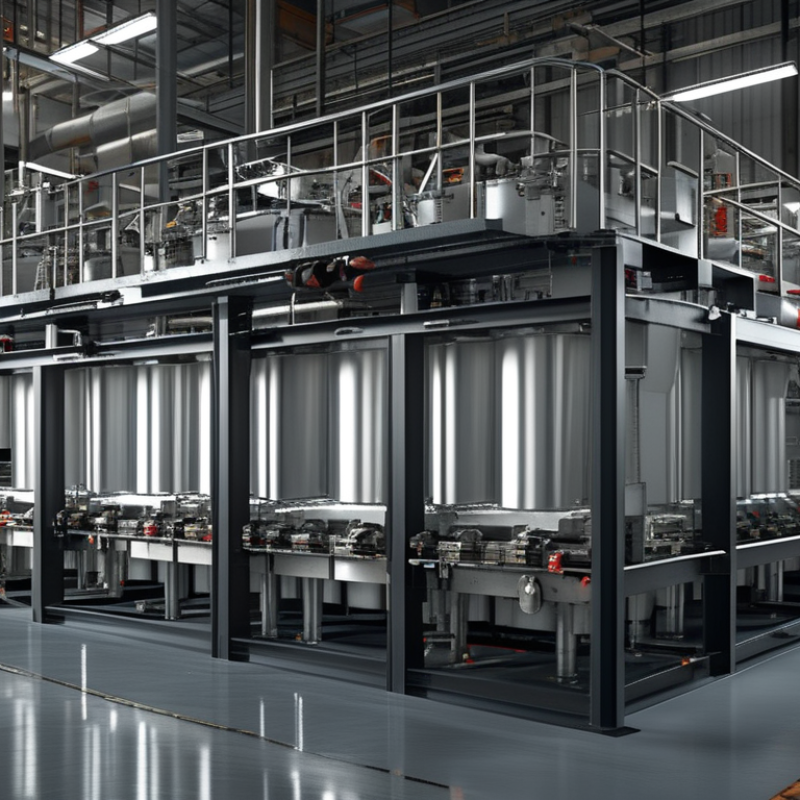
Plate and frame filter presses are widely used in various industries for liquid-solid separation. Understanding their operation is crucial for improving efficiency. The basic principle involves pumping slurry into the press, where it is confined between filter plates. The clear liquid then passes through the filter cloth, while solids are retained, forming a cake. Industry data shows that properly operated filter presses can achieve up to 90% filtration efficiency. This means high productivity and reduced operational costs.
Efficiency can be hindered by factors like operator inexperience or inadequate maintenance. For instance, a lack of proper cleaning can lead to clogs. Regular monitoring is essential to ensure optimal operation. Failure to do so may result in extended downtime. Research indicates that automation can enhance consistency. Automated systems reduce human error and speed up the process. Transitioning from manual to automated controls can boost production rates significantly.
Additionally, data supports that integrating monitoring technologies can provide real-time insights into pressure and flow rates. This information is vital for making informed decisions. Automation is not a one-size-fits-all solution, and often necessitates careful consideration of specific operational conditions. Simply implementing new technologies without a thorough analysis may lead to complications. Understanding the nuances of plate and frame filter press operations ultimately drives performance improvements.
Automation plays a crucial role in enhancing the efficiency of plate and frame filter presses. According to recent industry reports, automated systems can reduce operational costs by as much as 30%. This is significant for industries that rely on these filters for wastewater management and solid-liquid separation. Automation minimizes the need for manual labor, which can help reduce human error and improve safety.
Implementing automated controls allows for real-time monitoring of filter performance. This data-driven approach leads to optimized filtration cycles. For instance, adjusting the filtration parameters based on feed characteristics can lead to more effective separation. However, many companies still rely on outdated manual processes. This reliance may hinder productivity and overall cost efficiency.
Despite the clear benefits, not all organizations invest in automation. Some express concerns about upfront costs and the steep learning curve. Transitioning to automation requires thorough training for staff to operate new systems effectively. Balancing these challenges is essential for enhancing filter press efficiency in a competitive landscape. Ignoring the shift towards automation could mean falling behind in productivity and innovation.
When automating a manual plate and frame filter press, understanding its key components is crucial. The hydraulic system plays an essential role in this automation. It controls the pressing and releasing of the filter plates. An efficient hydraulic pump ensures proper force, while sensors monitor pressure levels. Neglecting these elements can lead to system failures.
Next, automation software is another vital component. This software manages the overall process, from filling to draining. It can adjust parameters based on real-time data. However, improperly configured software can lead to errors in operation. Continuous testing and adjustments are necessary to optimize performance.
Additionally, material selection for the filter press should not be overlooked. High-quality materials enhance durability and reduce downtime. Yet, balancing cost and quality is often a challenge. Operators must regularly assess material performance and make informed decisions. Exploring these critical components helps achieve efficient automation of your filter press system.
Automating a manual plate and frame filter press can significantly enhance operational efficiency. To achieve this, it’s crucial to focus on data-driven techniques that optimize cycle times. By analyzing historical performance data, one can identify bottlenecks that slow down the filtration process. Understanding these trends allows for adjustments that enhance throughput and reduce downtime.
One effective tip is to utilize real-time monitoring systems. These systems can track pressure, flow rate, and filter condition continuously. Integrating these metrics can provide insights into the performance of your filter press. Adjustments can be made on-the-fly, improving the overall cycle time. Shorten filtration cycles by customizing parameters based on previous data insights, and you may see a remarkable reduction in operational costs.
Another useful approach is to establish routine maintenance schedules. Regular checks can prevent unexpected breakdowns. Data analysis may reveal common failure points, allowing maintenance teams to address these proactively. This not only extends the life of the equipment but also ensures consistent performance. Automating these maintenance reminders can further streamline operations.
Automating a manual plate and frame filter press can significantly enhance efficiency and productivity. Case studies showcase various industries that have successfully implemented automated systems. One notable example involved a wastewater treatment facility that transitioned from manual operations to an automated filter press. They experienced a 30% increase in throughput and reduced labor costs by 20%. This change not only improved operational efficiency but also ensured consistent filtration quality.
Another case study highlighted a food processing plant. The plant faced challenges with labor shortages and inconsistent filtration results. By automating their filter press system, they significantly reduced downtime and optimized their production line. The operators reported fewer human errors and a more reliable filtration process. However, some initial resistance to change from staff was noted. It required training sessions and adjustments to their workflow to fully embrace the new system.
These implementations demonstrate the tangible benefits automation can deliver. Yet, it’s crucial to recognize potential pitfalls. Over-reliance on technology could lead to a lack of skilled personnel familiar with manual operations. While efficiency is key, maintaining a balance between automation and human oversight is essential for long-term success.
| Implementation Case | Industry | Initial Challenges | Automated Solution | Results Achieved |
|---|---|---|---|---|
| Case Study 1 | Chemical Processing | Long processing times, high labor costs | Integrated PLC control system, automated filtering cycles | 50% reduction in processing time, 30% lower operational costs |
| Case Study 2 | Food and Beverage | Contamination risks, inconsistent product quality | Installation of automatic CIP (Clean In Place) system | Improved product consistency, enhanced hygiene standards |
| Case Study 3 | Pharmaceutical | High regulatory compliance costs, tedious manual operation | Automated monitoring and reporting system | Streamlined compliance processes, reduced costs by 40% |
| Case Study 4 | Wastewater Treatment | Frequent clogging, high energy usage | Smart sensors and automated discharge system | Decreased clogging incidents by 70%, energy savings of 25% |
: It separates liquids from solids by pumping slurry into a press confined by filter plates.
Operator inexperience and inadequate maintenance can hinder efficiency, causing clogs and reduced output.
Properly operated filter presses can achieve up to 90% filtration efficiency.
Automation can reduce human error and significantly speed up the filtering process.
They can deliver important data on pressure and flow rates for better decision-making.
Over-reliance on technology may reduce skilled personnel who understand manual operations.
It's important to analyze specific operational conditions to avoid complications.
It led to a 30% increase in throughput and reduced labor costs by 20%.
They struggled with labor shortages and inconsistent filtration results.
Yes, initial resistance from staff occurred, requiring training and workflow adjustments.
In the article titled "How to Automate a Manual Plate and Frame Filter Press Efficiently?", we explore essential aspects of plate and frame filter press operations and the significant role automation plays in enhancing efficiency. Understanding the basic functions of these systems sets the foundation for recognizing the benefits of automation, such as reduced labor costs and improved throughput.
Key components necessary for automating a manual plate and frame filter press include advanced control systems, sensors, and data analytics tools that facilitate real-time monitoring and optimization. Data-driven techniques can significantly optimize filter press cycle times, ensuring that operations are not only faster but also more efficient. The article also presents case studies showcasing successful implementations of automated filter press systems, providing practical insights into how to automate a manual plate and frame filter press effectively for operational excellence.

Jovios Equipment