What Is Air Blowing in Filter Press Operation 5 Tips?

Time:2026-09-08 Author:Ethan
0%

In a filter press, air blowing removes trapped liquid from the filter cake and internal channels. The process usually begins after hydraulic filtration ends. Operators introduce compressed air through a designated port. Air then moves across the cake and pushes remaining moisture toward the filtrate outlets. The result can be a drier cake, shorter unloading time, and better recovery of valuable process liquid.

The question “what is air blowing in filter press operation” deserves a practical answer. It is not simply adding air until the cake looks dry. Pressure, air volume, cloth condition, cake thickness, and valve timing all affect performance. In plant operation, a sudden pressure rise may indicate a blocked outlet or poor air distribution. Stop and check. A clean, steady discharge usually shows better control.

This guide explains five useful tips for safer and more consistent air blowing. It covers pressure adjustment, drainage checks, cloth inspection, timing, and operator observation. Small details matter. For example, droplets leaving the outlet may gradually change into a thin, uneven stream. That change helps indicate drying progress, but it is not a perfect measurement. Operators should compare actual results with equipment manuals, pressure ratings, and site procedures. A common assumption is that higher air pressure always improves drying. It does not. Excessive pressure can damage plates, cloths, seals, or piping. Careful testing and recorded results provide a more reliable operating method.
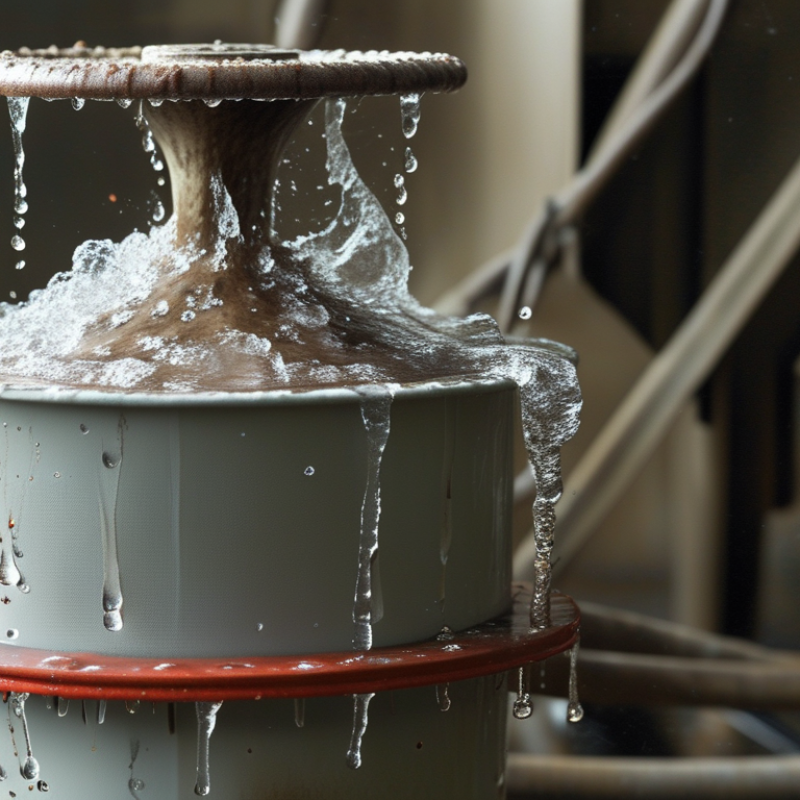
What Is Air Blowing in Filter Press Operation 5 Tips?

What Air Blowing Means in Filter Press Operation

What Is Air Blowing in Filter Press Operation? 5 Tips

Air blowing means sending compressed air through a closed filter press after liquid filtration. The air pushes trapped liquid from the filter cake and internal channels. This step can produce a drier cake and reduce dripping during discharge. In practical operation, the air usually exits through the filtrate outlet. Clearer drainage often shows that the cycle is working properly. The process is not the same as membrane squeezing.

Tip one: confirm the press is fully closed before opening the air valve. Tip two: use the pressure recommended by the equipment design. Excessive pressure may damage cloths, plates, or seals. Tip three: open the air supply gradually. A sudden surge can disturb the cake surface and create unstable flow. Tip four: watch the filtrate outlet closely. Cloudy liquid may indicate damaged cloth, poor sealing, or an uneven cake.

Tip five: stop air blowing when drainage becomes minimal. Longer blowing does not always create a drier cake. It may only waste compressed air and increase wear. Experienced operators also check hoses, gauges, and clamps before each cycle. Small leaks can make the result misleading. Do not guess. Record air pressure, duration, cake condition, and filtrate clarity for comparison. I have seen operators focus only on pressure, while cake thickness caused the real problem. The method needs adjustment. A dense cake may require more time, while a thin cake may need very little air.

What Is Air Blowing in Filter Press Operation? 5 Practical Tips

Air blowing is the controlled injection of compressed air through a filter press cake or membrane chamber after filtration. It helps displace residual liquid, improve cake dryness, and clear filtrate channels before opening the press.

How to read the chart: The profile shows a cautious pressure ramp from 2 to 5 bar(g), followed by a controlled hold and depressurization. Actual pressure, duration, and air quality must be verified against the filter press design, cloth type, slurry characteristics, and site safety procedures.
1. Confirm cake formation

Complete the liquid filtration cycle before introducing air. Air blowing is not a replacement for proper cake formation.

2. Check the air path

Verify valves, hoses, drains, and filtrate outlets are correctly aligned and free from blockage.

3. Ramp pressure gradually

Increase pressure in steps rather than applying full pressure instantly, reducing the risk of cloth movement and uneven cake cracking.

4. Stop at the endpoint

End the blow when filtrate flow becomes minimal or the specified cycle time is reached. Longer blowing does not always produce a drier cake.

5. Depressurize safely

Vent the air completely before opening the press or disconnecting any line. Confirm zero pressure on the gauge.

The pressure values shown are representative starting values commonly used for process discussion, not universal operating limits. Always follow the equipment nameplate, pressure rating, manufacturer instructions, and applicable workplace safety requirements.

How Air Blowing Works Inside a Filter Press

What Is Air Blowing in Filter Press Operation 5 Tips?

Air blowing uses compressed air to push remaining liquid from a filter press. In many recessed-chamber presses, air enters the feed channel after slurry feeding stops. The air moves through the wet filter cake and exits through the filtrate passages. Liquid comes out first. Air follows later.

Liquid comes out first. Air follows later.

The process needs controlled pressure, not maximum pressure. Confirm that the plate pack is fully closed and the filtrate outlet is open. Check hoses, seals, valves, and pressure ratings before starting. Increase air pressure gradually. A sudden surge can disturb the cake or stress the plates. Watch the outlet sight glass. Cloudy liquid may mean the cake is still releasing water.

Air blowing works best when the cake has already formed evenly. Uneven filling creates weak paths, allowing air to escape without drying the whole chamber. That is a common operating mistake.

Short air pulses can improve drainage, but excessive blowing may crack the cake.

Stop when the outlet changes from liquid flow to a light, irregular air stream. Do not assume every press needs the same air pressure or duration. Actual results depend on cake thickness, solids content, cloth condition, and air permeability. Record these observations after each cycle. Small adjustments often matter.

When Air Blowing Is Used in the Filtration Cycle

What Is Air Blowing in Filter Press Operation? 5 Tips

Air blowing is used after liquid filtration and before cake discharge. Compressed air enters the chambers through dedicated ports. It pushes trapped filtrate toward the outlet. This step can raise cake dryness, reduce dripping, and shorten unloading time. Operators should not treat it as a universal solution. Cake structure, cloth permeability, sludge type, and pressure all affect the result.

The U.S. Department of Energy’s Improving Compressed Air System Performance reports that leaks can waste 20–30% of compressor output. Therefore, inspect hoses, valves, and fittings before increasing air pressure. EPA’s Biosolids Technology Fact Sheet reports typical belt-press cake solids near 15–20%. A well-controlled chamber press may achieve higher values, but site results vary.

Tip 1

Start with low pressure. Watch filtrate flow, pressure stability, and visible cake cracking. Increase gradually, not automatically.

Tip 2

Keep the air cycle short. Excessive blowing can consume energy and dry the cloth unevenly. The calculation is rarely perfect.

Tip 3

Record cake weight and moisture after each cycle. Compare results by batch, not by one unusually dry sample. A dry cake is not always better if discharge becomes difficult.

Step-by-Step Procedure for Air Blowing a Filter Press

What Is Air Blowing in Filter Press Operation? 5 Tips

Air blowing removes trapped liquid from filter chambers after the feeding cycle. It can improve cake dryness and reduce dripping during discharge. The U.S. Department of Energy reports that compressed-air systems may consume about 10% of industrial electricity. Therefore, uncontrolled air blowing wastes energy and may stress the equipment.

Step-by-Step Procedure for Air Blowing a Filter Press

Stop the feed pump and close the feed valve. Confirm that the filter press is fully closed and locked. Open the correct filtrate outlet before introducing air.

Connect clean, dry compressed air to the designated port. Increase pressure slowly while observing the filtrate flow and hose movement.

Keep personnel away from discharge points. Stop when the outlet flow becomes minimal, then isolate and fully vent the air line.

Never exceed the press manufacturer’s rated pressure. Do not assume a clear outlet means the cake is uniformly dry. Wet edges often remain.

Tips

Check pressure gauges before every cycle. Drain condensate from the air receiver. The first blow is rarely perfect. Record air pressure, duration, cake thickness, and final moisture. These records help operators adjust the cycle instead of guessing. The U.S. Occupational Safety and Health Administration also warns against using compressed air for unsafe cleaning practices; air blowing should remain a controlled process operation, not a shortcut for removing solids.

Five Tips for Safe and Efficient Air Blowing

Air blowing in filter press operation uses compressed air to remove remaining liquid from filter chambers or the filter cake. It can shorten drying time and improve cake handling. However, air is not harmless simply because it looks clean. Pressure, flow direction, and discharge routing all require control.

Tip 1: Confirm the pressure limit before opening the air valve. Check the vessel rating, hose condition, fittings, and gauge. Wear eye, face, and hearing protection. Open the valve slowly, because a sudden surge can disturb the plates or spray filtrate. Small details matter.

Tip 2: Keep the filtrate outlet open and directed toward a suitable drain or collection point. Never stand near an unsecured hose or an exposed discharge. Watch the outlet for foam, splashing, or an unexpected color change. These signs may indicate trapped liquid, a blocked passage, or incomplete isolation. Operators sometimes rush this step to save minutes. That shortcut is difficult to justify.

Tip 3: Stop air blowing when the outlet becomes nearly dry, the pressure changes sharply, or unusual vibration appears. Record the pressure, duration, and cake condition after each cycle. These notes help identify gradual blinding or poor cloth cleaning. A perfectly dry cake is not always the best target; excessive air can waste energy and damage equipment. Review the procedure after abnormal cycles, even when no injury occurs.

What Is Air Blowing in Filter Press Operation 5 Tips? - Five Tips for Safe and Efficient Air Blowing
Tip Operational Dimension Recommended Practice Typical Reference Value Safety or Efficiency Benefit Verification Point
1 Confirm the air-blowing purpose and process position Use compressed air only after slurry feeding and hydraulic closing are complete. Air blowing is commonly used to remove residual liquid from the filter cake and internal channels before opening the press. Begin only when the feed pump is stopped, feed valves are isolated, and the filtrate outlet is open to a safe collection point. Prevents uncontrolled discharge, cross-contamination, and pressure release through an unintended line. Check the operating sequence, valve position indicators, pressure gauges, and interlocks before introducing air.
2 Control air pressure Increase air pressure gradually while monitoring the air inlet and filtrate pressure. The allowable value must be determined by the filter press, vessel, piping, diaphragm, and filter plate ratings. A common starting range is approximately 0.4–0.6 MPa (4–6 bar / 58–87 psi), but the equipment manufacturer's rated limit always takes precedence. Reduces the risk of plate damage, seal failure, hose movement, and sudden pressure release while maintaining effective liquid displacement. Never exceed the lowest rated pressure in the air circuit. Stop immediately if pressure rises abnormally or fails to stabilize.
3 Use a controlled blowing duration Apply air in a controlled cycle rather than leaving the air valve fully open. Observe the filtrate flow and stop when the flow becomes minimal or reaches the site-defined endpoint. Typical cycle duration is about 1–3 minutes per air-blowing stage; actual time depends on cake thickness, air permeability, slurry solids, and press size. Limits compressed-air consumption, reduces cake disturbance, and avoids excessive drying or unnecessary stress on the filter cloth and plates. Record blowing time, inlet pressure, outlet flow, and cake moisture results to establish a site-specific operating window.
4 Protect personnel from stored energy and discharge Keep personnel away from plate gaps, air outlets, filtrate discharge points, and flexible hoses during blowing. Wear safety glasses or a face shield, protective gloves, protective footwear, and hearing protection where required. Maintain a clearly marked exclusion zone around the press. Do not loosen fittings, open the press, or remove cloths while any pressure remains. Compressed air can propel liquid, solids, fittings, or hose components at high speed and can create hazardous noise levels. Verify zero pressure on the gauge and confirm the system is vented before maintenance, inspection, or plate opening.
5 Inspect and maintain the air system Check the air regulator, filter, lubricator where applicable, hoses, couplings, valves, gauges, seals, and drain points. Remove accumulated water from the compressed-air system. Perform a pre-shift visual inspection and a documented periodic inspection. Replace damaged hoses, cracked couplings, leaking seals, or inaccurate gauges before operation. Clean, dry, and reliable air improves cake displacement consistency and reduces corrosion, valve malfunction, and unplanned downtime. Use an air filter suitable for the system, keep connections secured, and verify that the pressure gauge calibration status is current.
Operating note: The pressure and duration values shown are general reference ranges, not universal settings. Always follow the filter press design rating, site risk assessment, applicable workplace regulations, and the equipment operating manual.

FAQS

: What is air blowing in filter press operation?

: Air blowing uses compressed air to push trapped liquid through the filter cake. Liquid exits first. Air follows later.

When should air blowing begin?

Stop the feed pump and close the feed valve. Confirm the plate pack is fully closed and locked. Open the correct filtrate outlet before adding air.

How should air pressure be applied?

Start with low pressure and increase it gradually. Never use maximum pressure automatically. Check the press rating, hoses, fittings, and gauge first.

What should operators watch during the cycle?

Watch the sight glass, outlet flow, hose movement, and pressure gauge. Cloudy liquid suggests that the cake still releases water. Foam or splashing needs attention.

When should air blowing stop?

Stop when liquid flow becomes minimal and air appears light and irregular. Stop earlier if vibration, sharp pressure changes, or unusual movement appears. Do not chase a perfectly dry cake.

Can air blowing dry every filter cake evenly?

Not always. Uneven filling can create weak paths through the cake. Air may escape while wet edges remain. The first cycle may be imperfect.

What conditions affect air-blowing results?

Cake thickness, solids content, cloth condition, and air permeability all matter. Short air pulses may improve drainage. Excessive blowing can crack the cake or waste energy.

What should happen after air blowing ends?

Isolate the air line and vent it fully. Keep people away from discharge points during depressurization. Record pressure, duration, cake thickness, and final moisture. Small changes often matter.

Conclusion

What is air blowing in filter press operation? It is the controlled use of compressed air to remove remaining liquid from the filter cake and internal channels after the main filtration stage. By directing air through the press, operators can improve cake dryness, recover trapped filtrate, and help prepare the equipment for discharge. The process works by creating a pressure difference that pushes liquid through the filter cloth while retaining the solid particles.

Air blowing is usually performed after filtration and before cake removal, according to the material characteristics and equipment limits. A typical procedure includes checking that the press is properly closed, confirming that valves and connections are secure, introducing air gradually, monitoring pressure and filtrate flow, and releasing the air safely when the cycle is complete. Five important tips are to follow the rated pressure, inspect cloths and seals, open and close valves in the correct sequence, use suitable protective equipment, and stop immediately if leaks, unusual noise, or unstable pressure occurs.

Ethan

Ethan

Ethan is a seasoned marketing professional with a deep expertise in our company's innovative product line. With a passion for sharing knowledge and insights, he takes the lead in regularly updating our corporate blog, where he explores industry trends, product features, and effective marketing......