Jovios Equipment
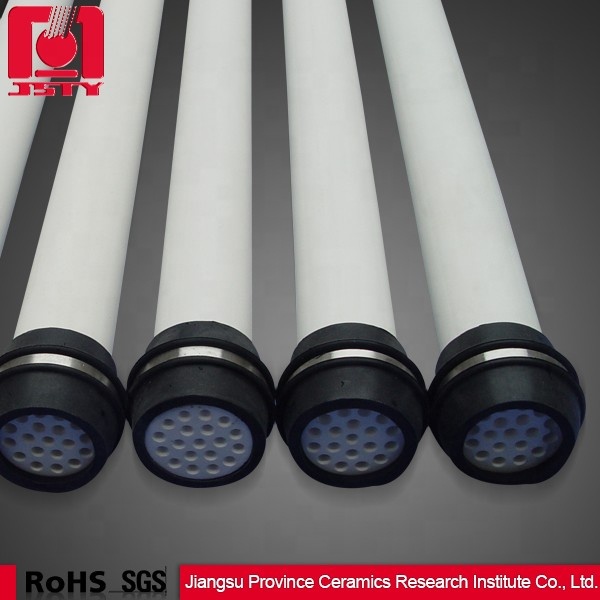
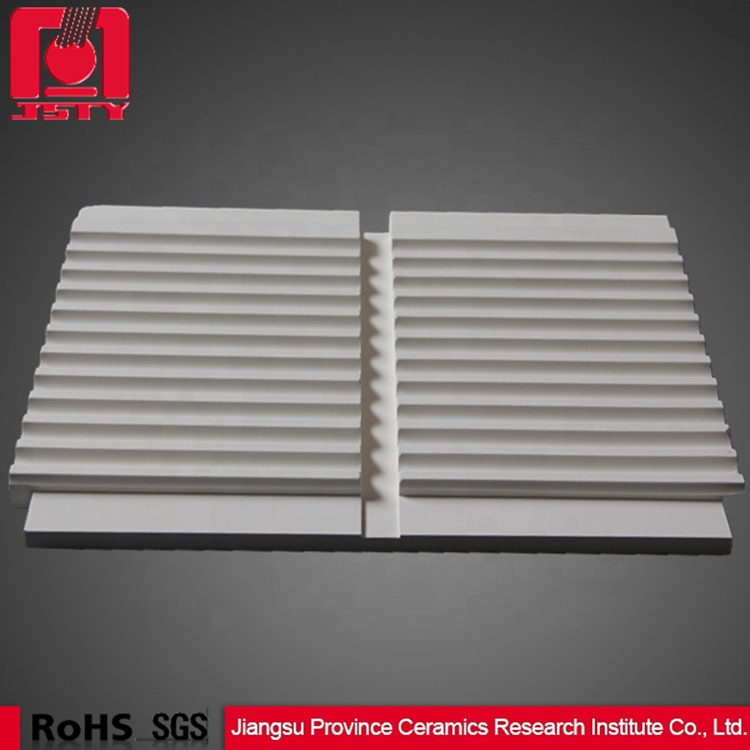
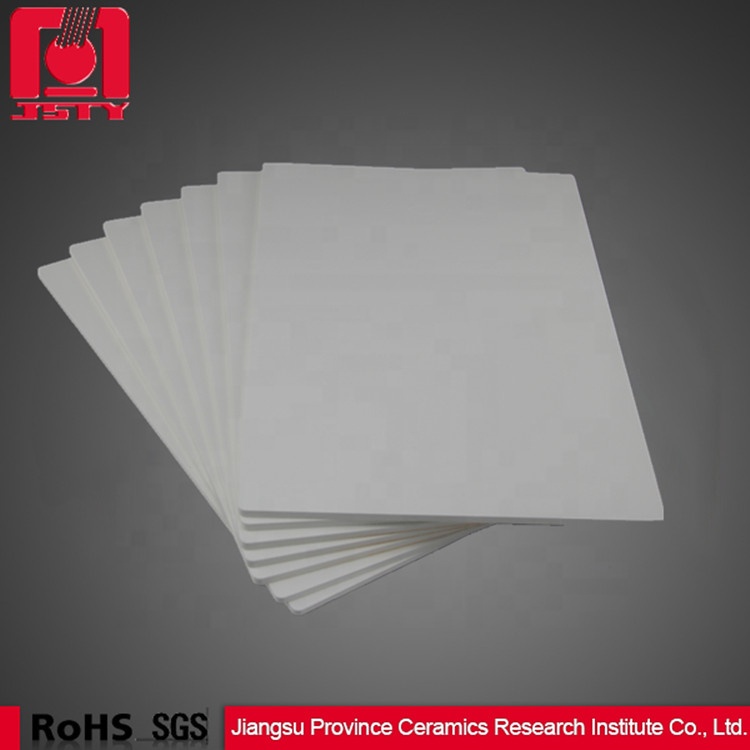
1 / 5
Extremely fine distributed gas bubbles by rotating ceramic membranes. Investigations at the University of Rostock have shown that by an additional rotation of the ceramic membrane discs an average gas bubble size of 10-20 µm can be obtained (compared to 50 µm with the static discs/air in water). In the case of aeration with CO2, no gas bubbles are visible by the use of rotating ceramic membrane discs – the CO2 is directly dissolved in the liquid.
Pressure is applied on the inside of the membrane disc through a channel structure. Gas flows through the porous material. Thus superfine distributed gas bubbles are created on the membrane surface. The discs can be arranged horizontally or vertically. The insertion of bubbles is also possible in systems under pressure and near boiling point.
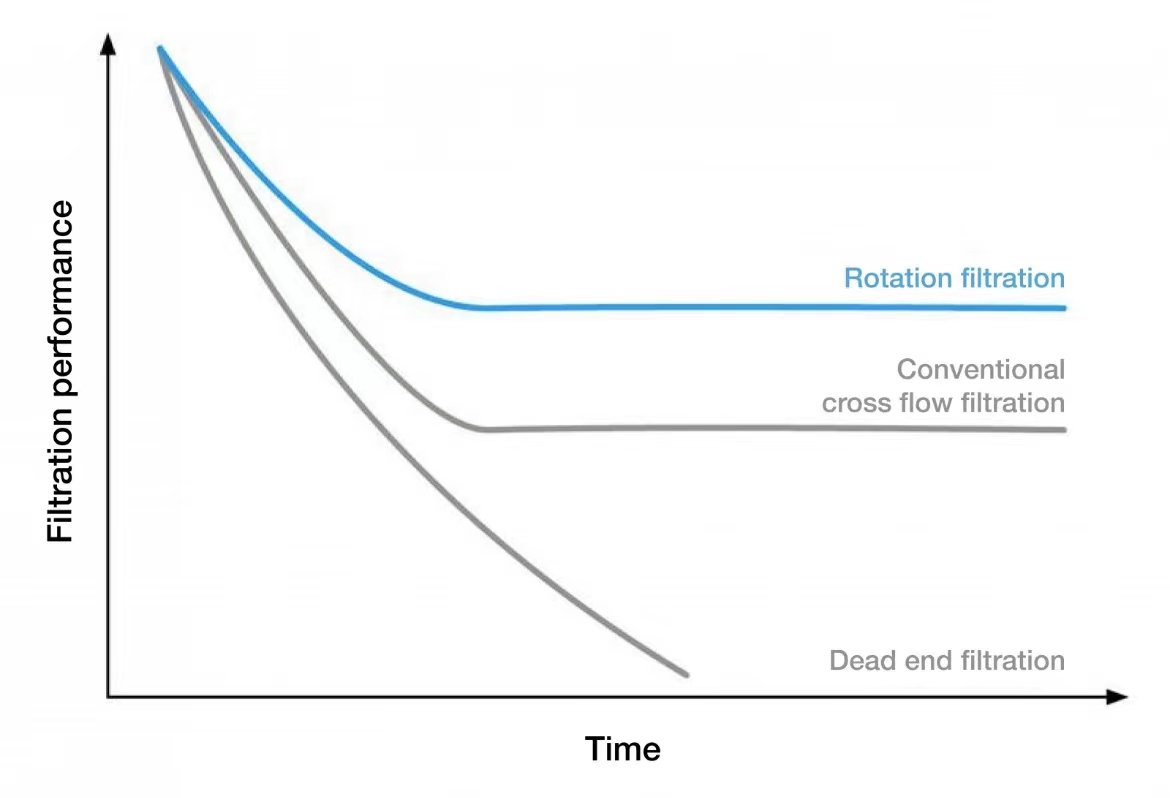
Rotation Filtration (Dynamic Cross Flow Filtration) provides maximum filter efficiency. The cross flow effect (tangential flow cleaning of the filter surface) is generated by the rotating of the filter discs and not by pumping large volumes. Extreme cross flow velocity leads to highly efficient cleaning of the filter surface with very low energy consumption compared to conventional techniques.
Flotation: The efficiency of flotation processes is clearly increased by the application of discs. Superfine gas bubbles lead to accelerated aggregate formation of dispersed particles. Also ideal for effective ozone insertion with minimized ozone loss.
Oxygenation: In combination with oxygen, there are many advantages in fish farming and aquaria applications.
Increased filtration capacity of the Rotation Filtration compared to the conventional Cross-Flow Filtration and Dead End Filtration.
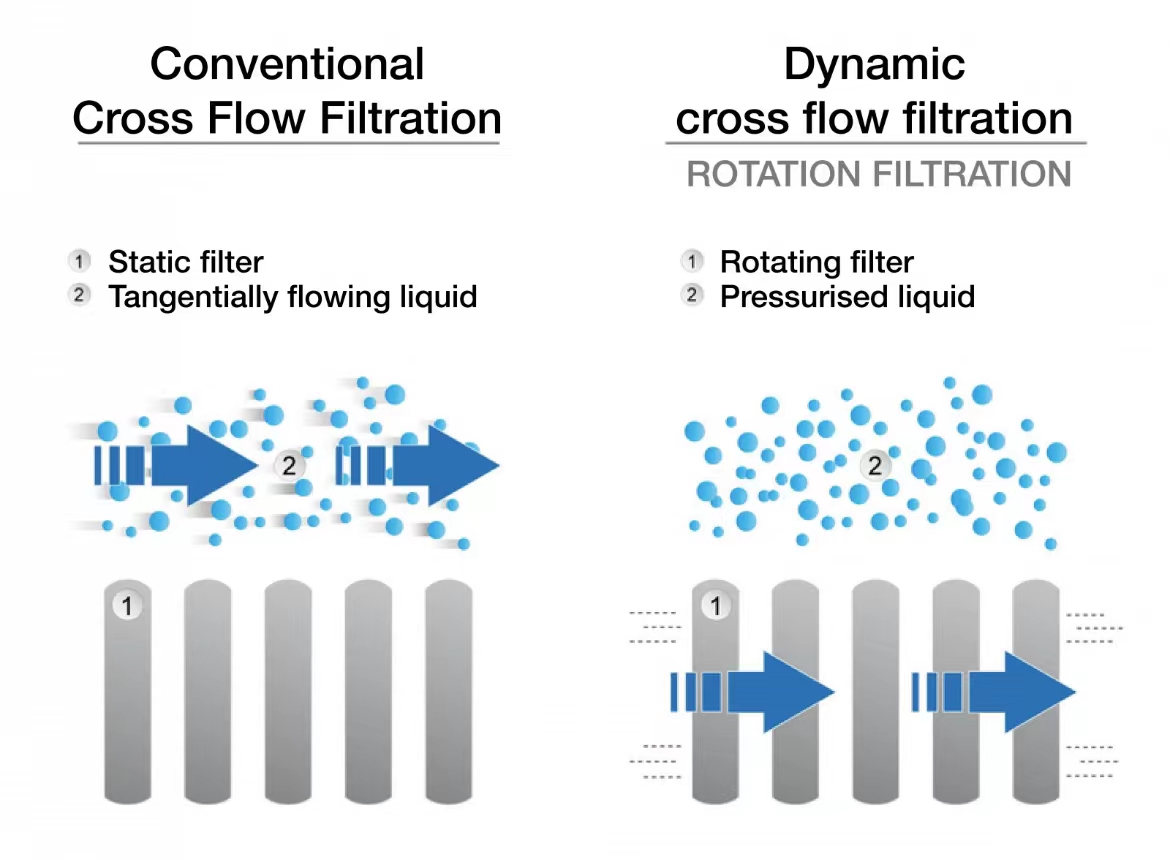
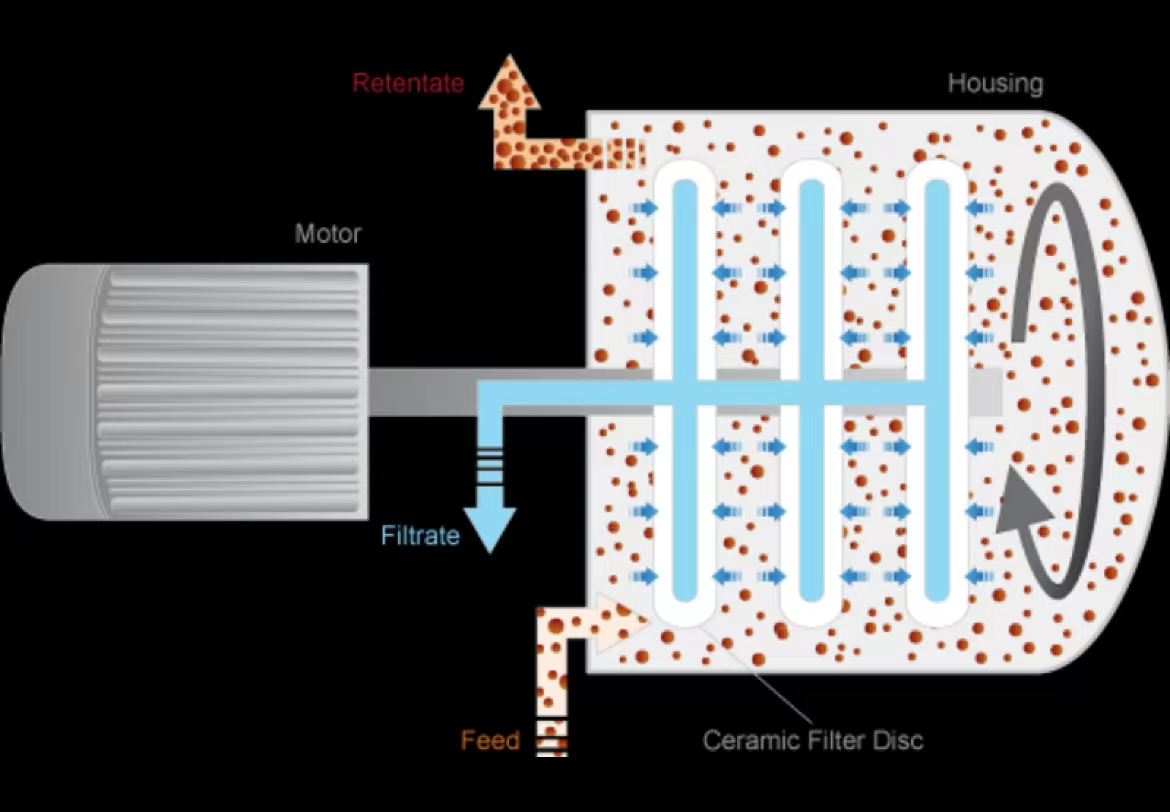
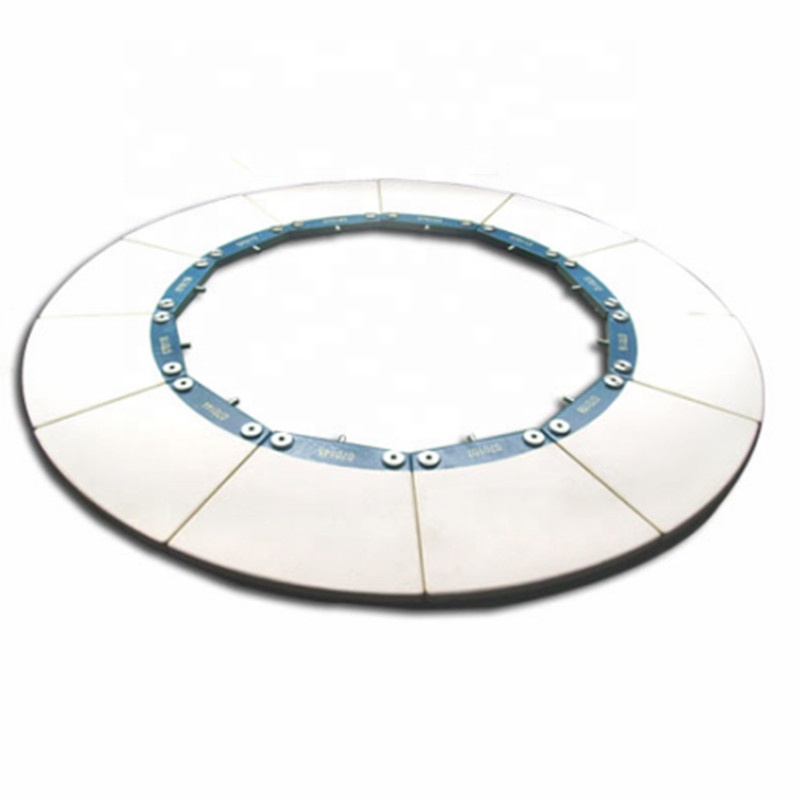
Rotating Ceramic Filter Discs are assembled in a pressurised housing. The design of the discs shows drainage channels in the inside. The filtrate is transported from the outside to the inside of the discs. The rotation of the discs generates shear forces on the membrane surface. With this technique an increase of a filter cake is avoided resulting in a high filtration flux.
Diagram of a Rotation Filtration: arrangement of volume flows feed, filtrate and retentate (advantages: easy control and less amount of pipework). Main Parameters: Rotation Speed (rotating Ceramic Filter Discs), Transmembrane Pressure TMP (pressurised housing), Solid Content (concentration of liquids due to the removal of filtrate).

Rotation Filtration Modul with Ceramic Filter Discs: Membrane Surface 35 m².
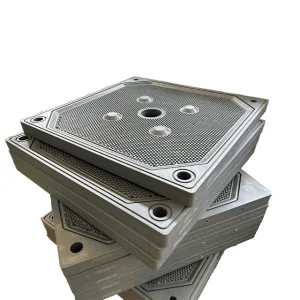
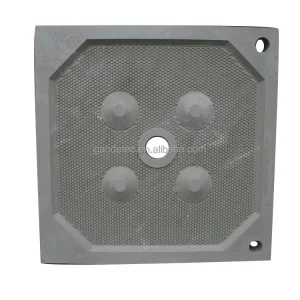
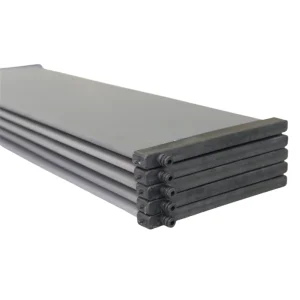
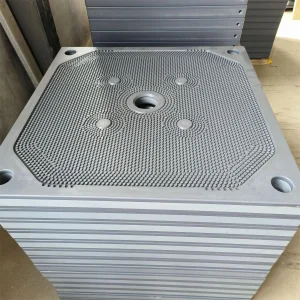
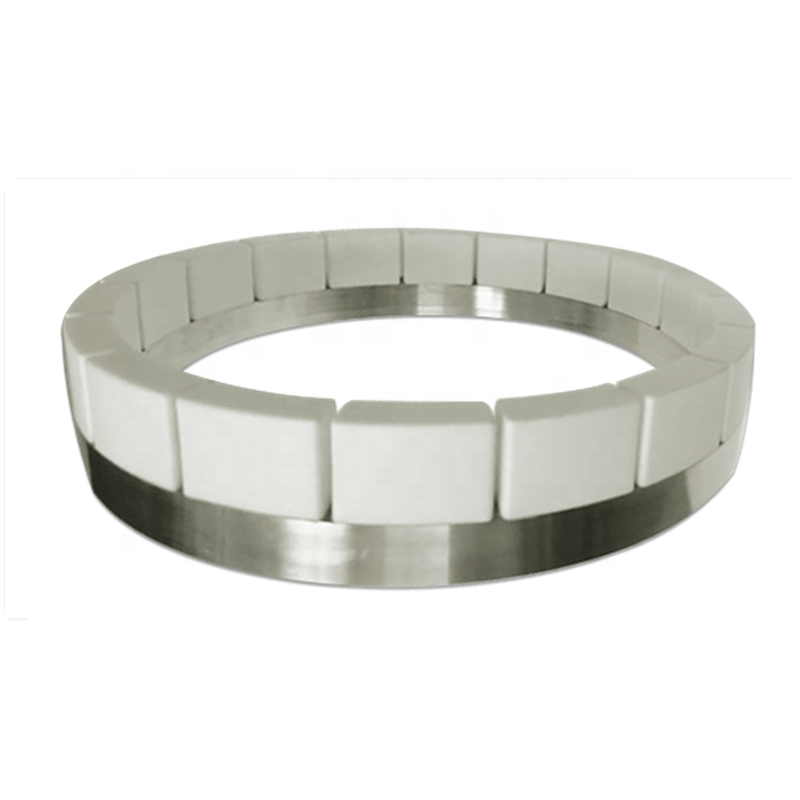
Ceramic filter plates play a key role in the high efficiency and energy saving of ceramic filters. Ceramic filters can be widely used in non-ferrous metal mines, fine coal, chemical, food, medicine, ceramics, and other industries of dehydration filtration. The particle size of the filter is 0.5um-3mm, which is especially suitable for the solid-liquid separation of sand material. For viscous materials, it will have a good dehydration effect by adjusting the slurry performance.
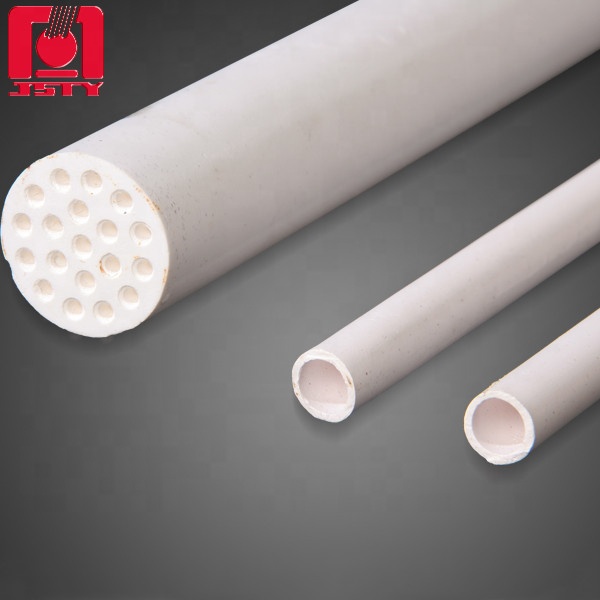
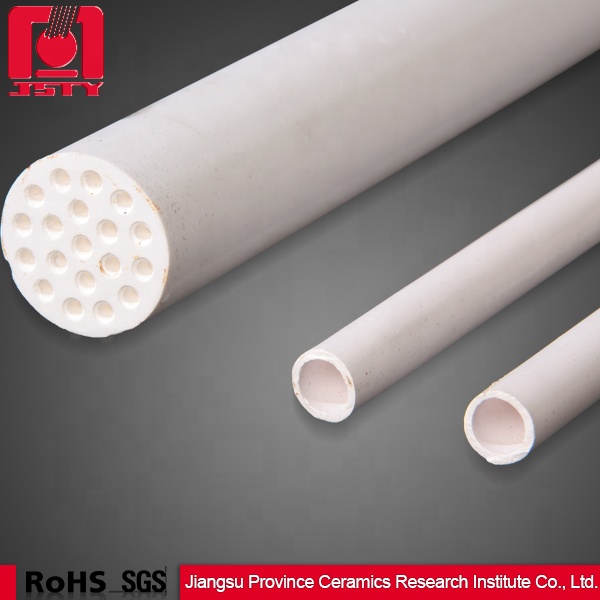
Our products use advanced inorganic membrane preparation technology and a "hole gradient" structure design, utilizing high-quality corundum powder as raw material. The products feature high mechanical strength, stable chemical properties, and strong filtration capacity.
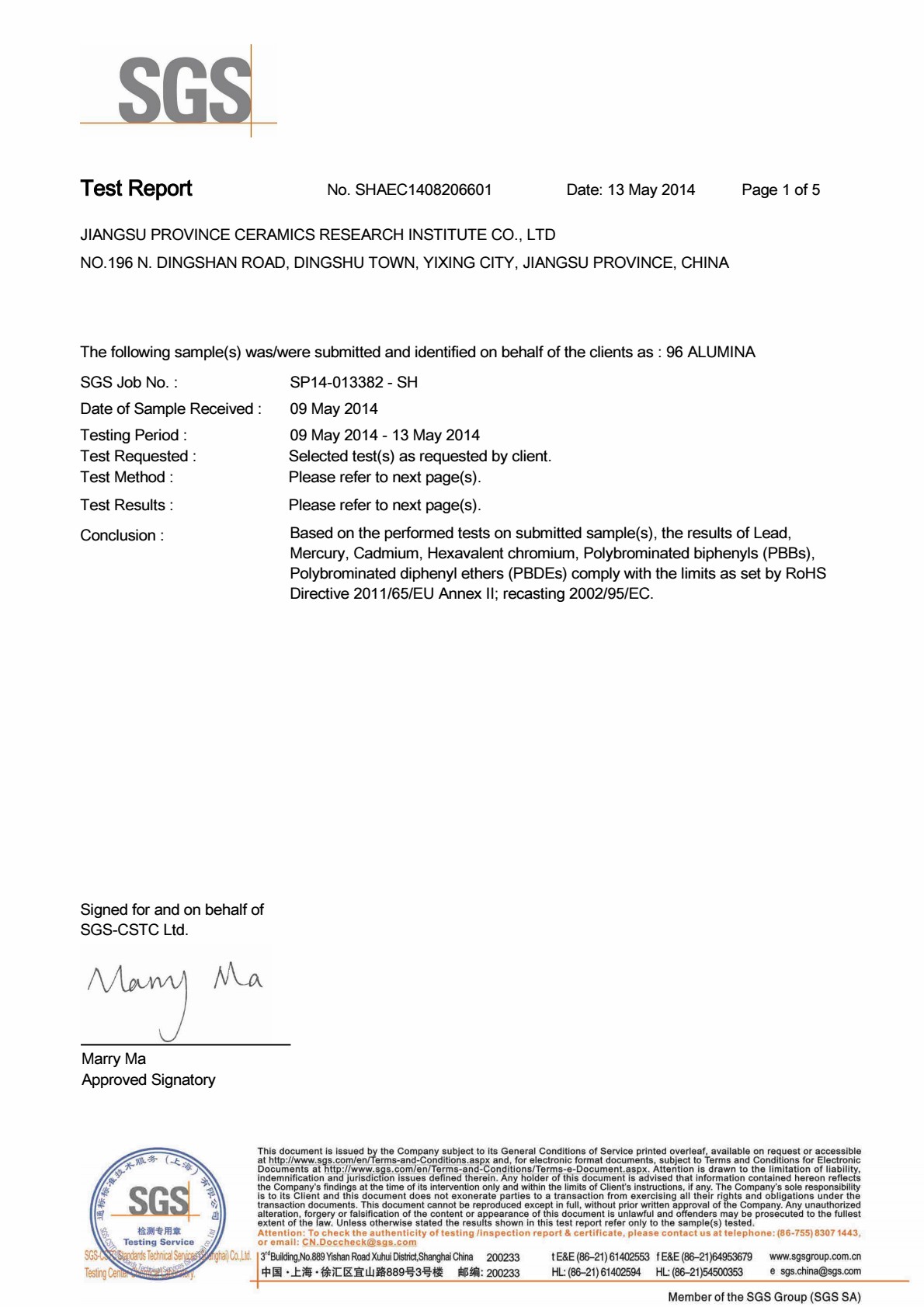
| Item | 99 alumina | 95 alumina | 92 alumina | Steatite | Unit symbol |
|---|---|---|---|---|---|
| Bulk Density | 3.85 | 3.65 | 3.6 | 2.6 | g/cm³ ≥ |
| Flexural Strength | 350 | 300 | 280 | 120 | Mpa ≥ |
| Max Use Temperature | 1700 | 1500 | 1400 | 1000 | ℃ ≥ |
| Volume Resistivity | 1015 | 1014 | 1014 | 1012 | Ω·cm 20℃ |
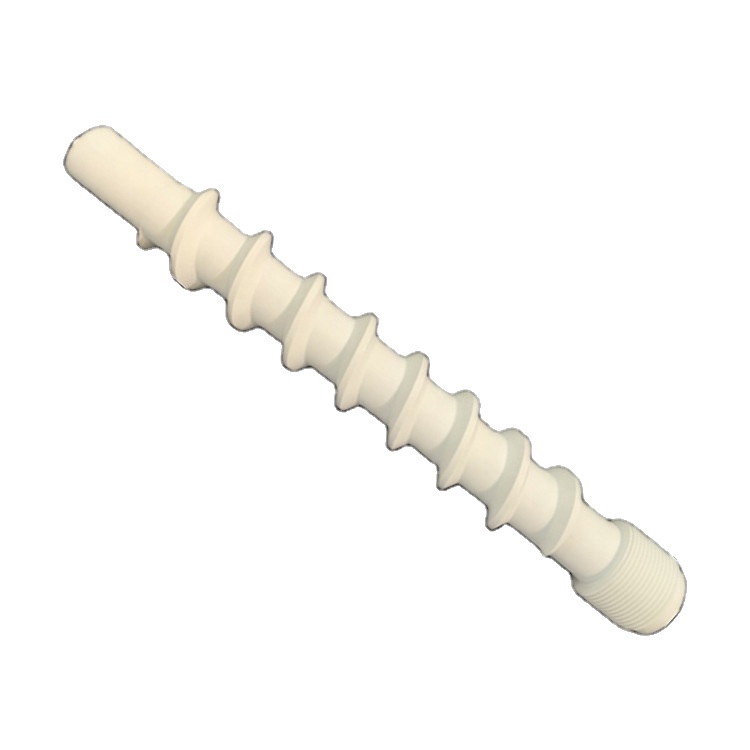
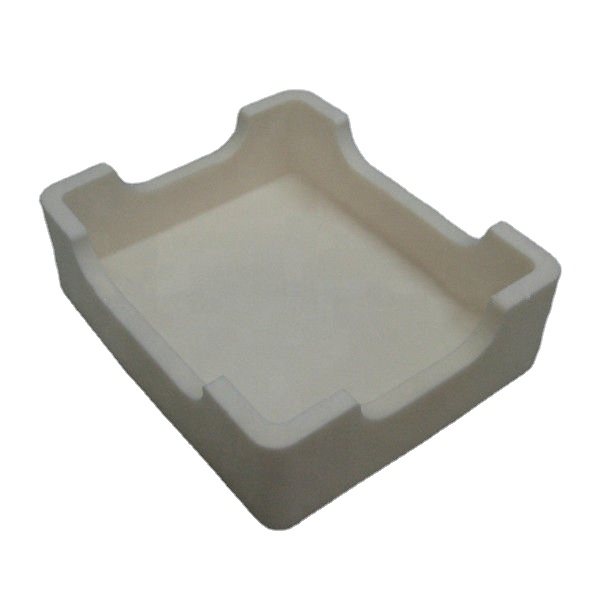
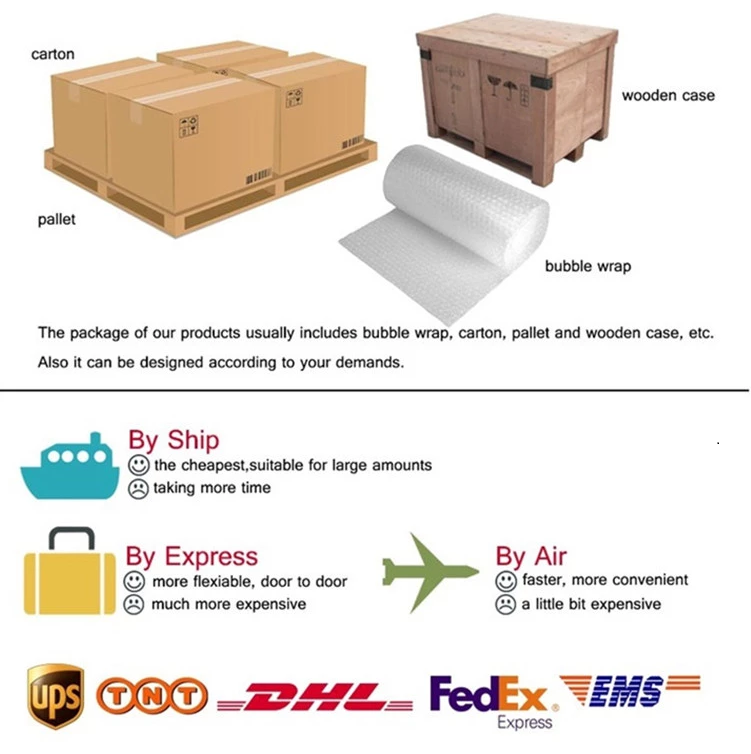
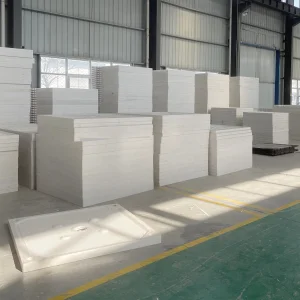
Various packing methods are adopted according to different product features, such as bubble wrap, color box or brown box in carton, pallet, wooden case, etc. For Porous tube board plate ultrafiltration ceramic membrane filters, we can determine the most suitable option through mutual consultation.
Shipping Options:
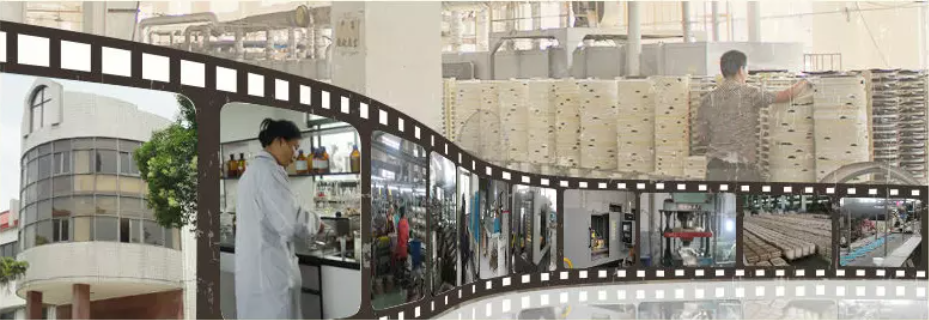
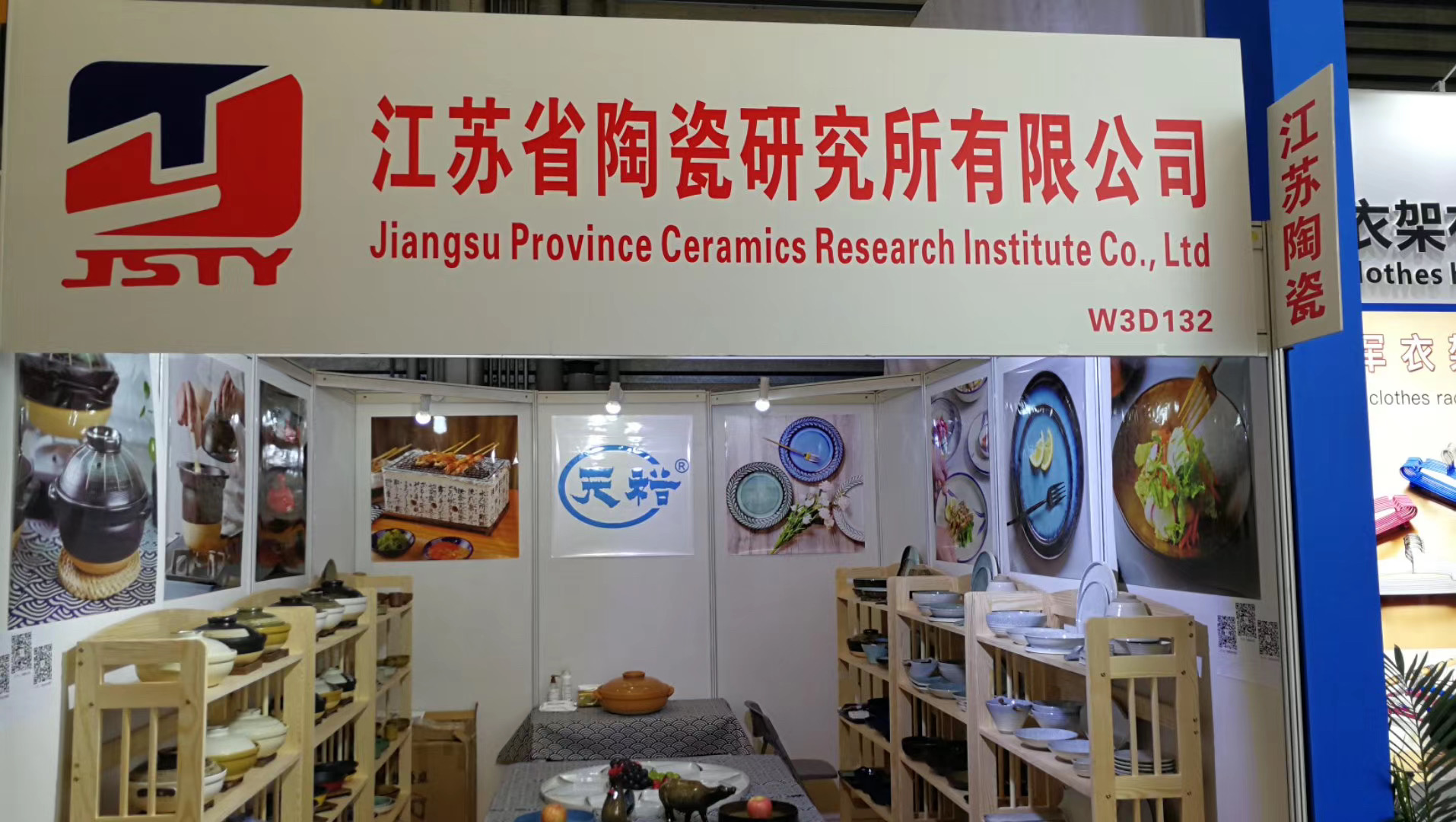
1. Tableware Production: Equipped with an auto-molding production line, glaze decorating production line, and finished product inspection line to ensure general ceramic standards.
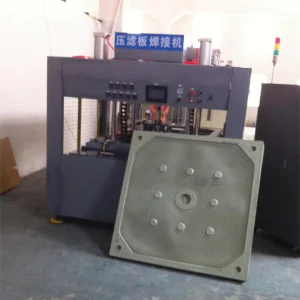
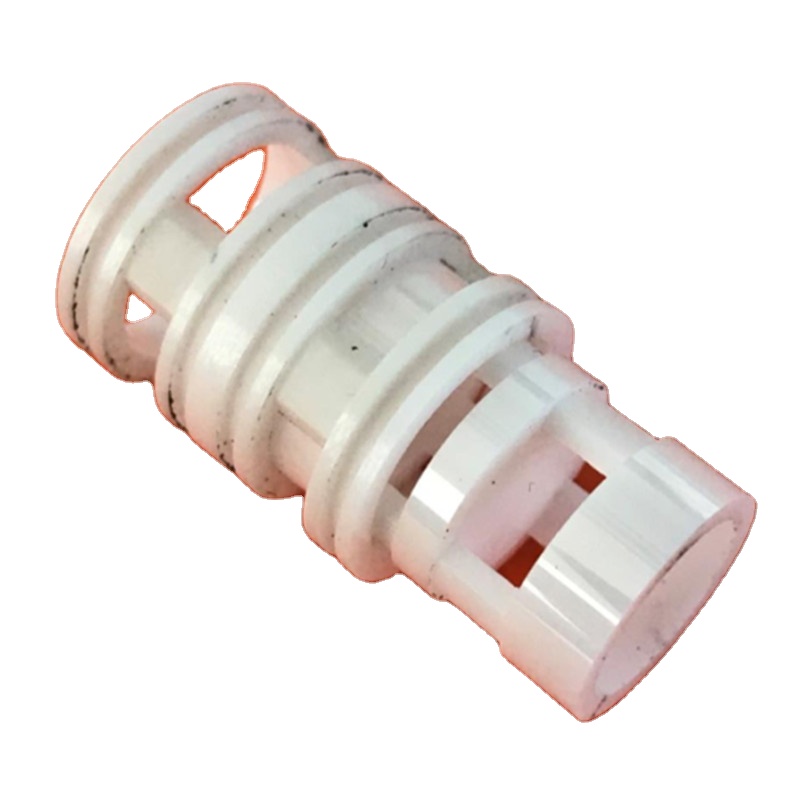
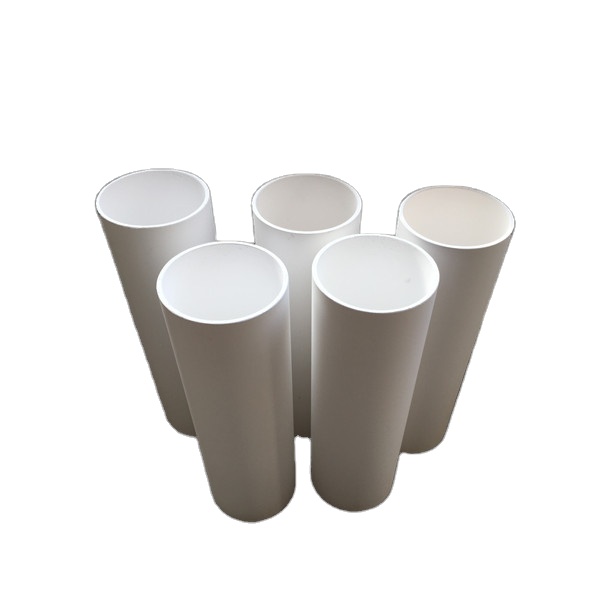
2. Industrial Ceramics: Iso-static pressing equipment, auto-pressing machines in PTC production, continuous kiln, and CNC (Computer numerical control machining center) are utilized to guarantee the quality of each Porous tube board plate ultrafiltration ceramic membrane filter.
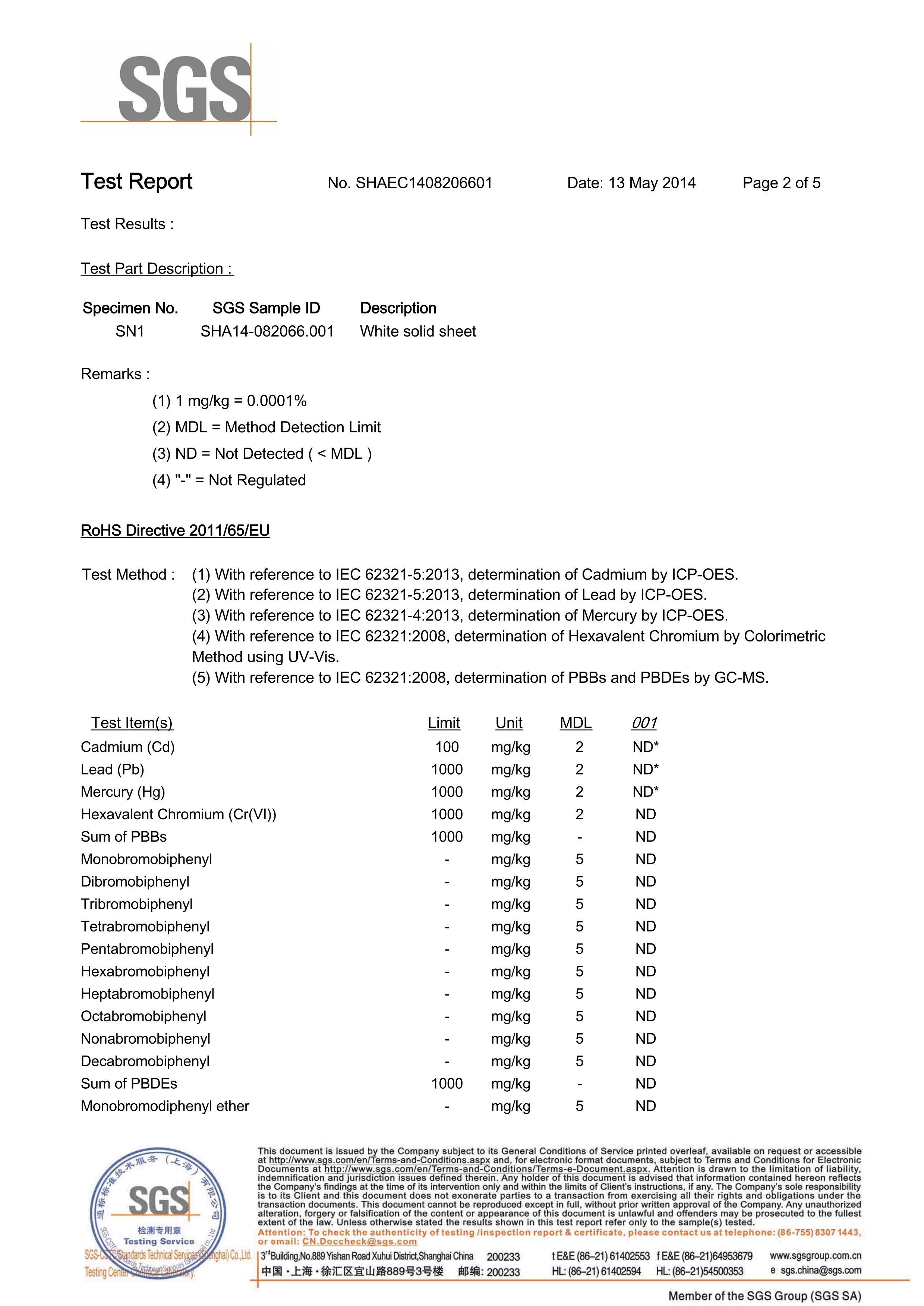
3. Test Equipment: Facilities include a composition analyzer, strength tester, light microscope, and thermal expansion coefficient tester.